Silver’s volatility is higher than gold’s because its smaller market size means even small shifts in supply and demand can cause big price swings. Its dual role in investment and industry makes it more sensitive to economic and technological changes, leading to rapid fluctuations. Frequent trading and investor reactions to news and geopolitics add to this volatility. If you want to understand exactly why silver moves more unpredictably, there’s more to discover below.

Get home office essentials delivered free — and shop member deals
- Fast, free delivery on millions of items
- Access to Prime Big Deal Days deals on October 6–7
- Prime Video, Amazon Music and more included
Key Takeaways
- Silver’s smaller market size and lower liquidity amplify its price swings compared to gold.
- Its dual industrial and investment demand creates cyclical and unpredictable price movements.
- Higher trading activity and speculation lead to rapid, exaggerated market fluctuations.
- Economic uncertainties and geopolitical events trigger emotional reactions, increasing volatility.
- The potential for quick gains and losses attracts risk-tolerant investors despite the risks.
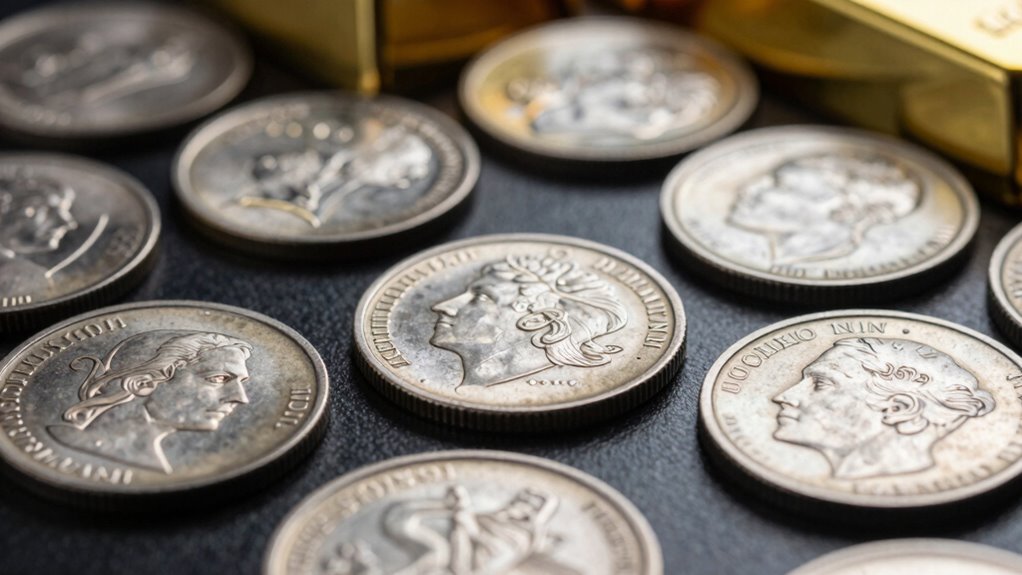
Silver tends to be more volatile than gold because its market is smaller and less liquid. This means that even minor shifts in supply and demand can cause significant price swings. When you look at silver’s market, you’ll notice that industrial demand plays a major role. Unlike gold, which is primarily valued as a store of wealth or investment, silver has a dual purpose. It’s used extensively in electronics, solar panels, medical devices, and other industrial applications. When industrial demand rises, it can quickly push silver prices up, but if demand dips or technology shifts away from silver, prices can plummet just as fast. This constant tug-of-war between industrial needs and market sentiment keeps silver’s price more unpredictable.
Silver’s small, less liquid market causes sharp swings due to industrial demand and market sentiment shifts.
Market speculation also fuels silver’s volatility. Investors and traders often react sharply to news, geopolitical events, or changes in monetary policy, causing rapid price movements. Because silver is traded more frequently and in smaller quantities compared to gold, it responds swiftly to these speculative pressures. When investors see an opportunity to profit from short-term price swings, they jump in, amplifying the market’s fluctuations. This heightened activity can lead to exaggerated price moves, making silver a risky but potentially rewarding asset for traders who thrive on volatility.
You’ll also notice that market sentiment can swing dramatically with global economic uncertainty. During times of crisis or inflation fears, some investors flock to silver as a tangible asset, driving prices higher. Conversely, when confidence returns and markets stabilize, those same investors might pull out, causing sharp declines. This emotional component, combined with the industrial demand’s cyclical nature, keeps silver’s prices bouncing unpredictably. Understanding market dynamics can help investors better navigate these swings and make more strategic decisions.
Despite its volatility, many metal investors are drawn to silver because of its potential for quick gains. They understand that the same factors causing rapid drops can also lead to swift recoveries. If you’re comfortable with risk, silver offers opportunities that gold often doesn’t. Its market’s smaller size means your trades can have a larger impact, and you can capitalize on short-term trends fueled by speculation or shifts in industrial demand. Additionally, understanding the market dynamics that influence silver’s price can help investors make more informed decisions in this volatile environment.
As an affiliate, we earn on qualifying purchases.
Frequently Asked Questions
How Does Industrial Demand Influence Silver’s Price Volatility?
Industrial demand notably influences silver’s price volatility because it’s closely tied to industrial growth and technological innovation. When industries expand or adopt new technologies, they increase silver consumption, pushing prices higher quickly. Conversely, slowdowns or shifts in technology can sharply reduce demand, causing prices to drop. This constant fluctuation driven by industrial factors makes silver more volatile than gold, which isn’t as heavily impacted by industrial demand.
Are Silver’s Price Swings Predictable Compared to Gold?
You can’t always predict silver’s price swings compared to gold because historical trends show they’re more volatile. Investor sentiment plays a bigger role with silver, often reacting sharply to economic shifts or industrial demand changes. While gold tends to be steadier, silver’s price movements are influenced by unpredictable factors, making its swings less predictable. If you’re investing, stay alert to market signals and historical patterns to better anticipate silver’s short-term fluctuations.
What Role Do Geopolitical Events Play in Silver’s Market Fluctuations?
Geopolitical events profoundly influence silver’s market fluctuations, often causing sharp price swings. You’ll notice that during times of political instability, silver’s price can spike due to its role as a safe-haven asset, though it also correlates with cryptocurrency trends, amplifying volatility. Historically, silver’s price trends respond swiftly to global tensions, making it more unpredictable than gold, especially when geopolitical issues intertwine with shifts in the cryptocurrency market.
How Do Government Policies Impact Silver Price Stability?
Government policies, like monetary policy and tax regulations, directly impact silver price stability. When central banks alter interest rates or implement quantitative easing, silver prices can swing due to shifts in investor demand. Additionally, changes in tax laws can influence investment strategies, either encouraging or discouraging silver purchases. You should stay aware of these policy shifts, as they can create volatility and affect your decision to buy or sell silver.
Is Silver More Affected by Short-Term Trading Than Gold?
You’re right to wonder if silver’s drama queen tendencies lead it to be more affected by short-term trading than gold. Silver’s market liquidity is lower, making it more vulnerable to quick swings driven by investor sentiment. When traders panic or get overly optimistic, silver reacts wildly, while gold’s steadiness keeps it more resilient. So, yes, silver’s more susceptible to short-term trading because it’s more emotionally driven and less liquid.
As an affiliate, we earn on qualifying purchases.
Conclusion
So, next time you consider investing, remember that silver’s higher volatility—often swinging up to 25% more than gold—means bigger risks but also bigger gains. Its smaller market size and industrial demand contribute to this fluctuation, making it appealing for savvy investors seeking quick profits. Despite the risks, silver’s historical role as a safe haven keeps it a compelling choice. Keep these factors in mind, and you’ll better understand why metal investors keep returning to silver.
As an affiliate, we earn on qualifying purchases.
As an affiliate, we earn on qualifying purchases.
Halloween Picks
halloween
As an affiliate, we earn on qualifying purchases.