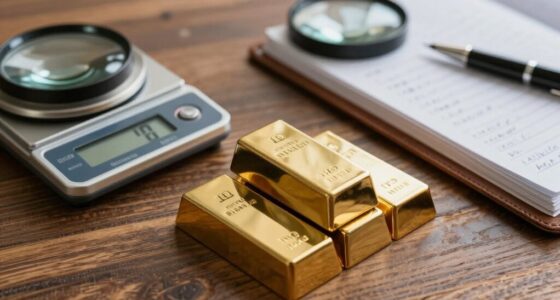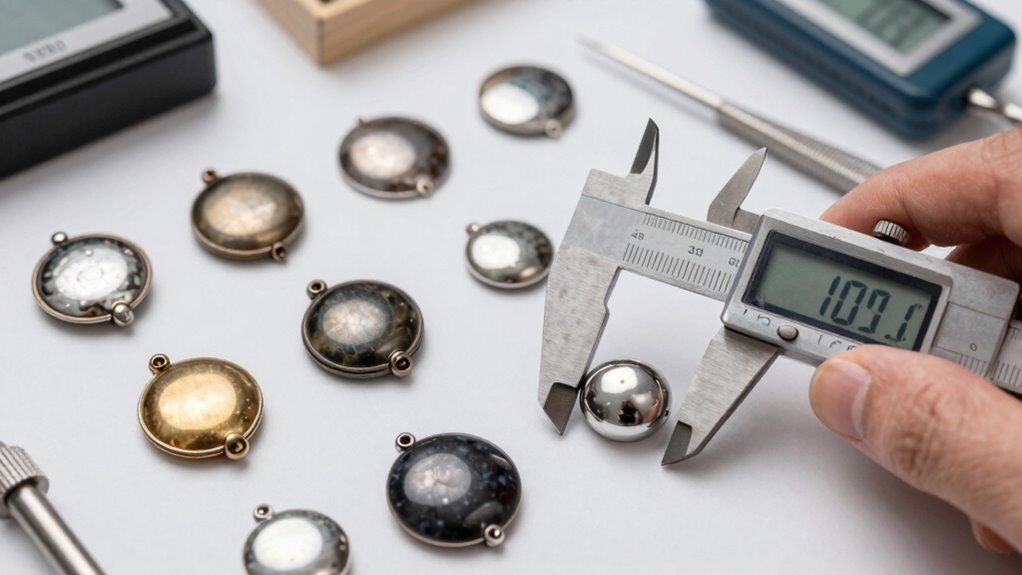

Magnet tests help you quickly identify obvious fakes by checking a material’s magnetic response, but they’re not foolproof. Many counterfeiters use non-magnetic metals or coatings, so a non-magnetic result doesn’t guarantee authenticity. To avoid errors, combine magnet tests with other methods like acid testing or professional appraisal. Understanding the limits of magnet tests and knowing other verification steps can save you from costly mistakes as you protect your collection. Discover more about mastering these methods.

Get home office essentials delivered free with Prime
- Fast, free delivery on millions of items
- Prime Video, Amazon Music and more included
- Member-only deals all year
Key Takeaways
- Magnet tests are quick tools to screen for magnetic properties but can be fooled by non-magnetic counterfeit materials.
- Non-magnetic responses do not confirm authenticity; high-quality fakes may pass as genuine.
- Always combine magnet tests with other methods like acid tests or expert appraisal for reliable verification.
- Understanding material composition helps interpret magnet test results accurately.
- Seek professional advice when in doubt, as magnetic response is only one part of thorough authentication.
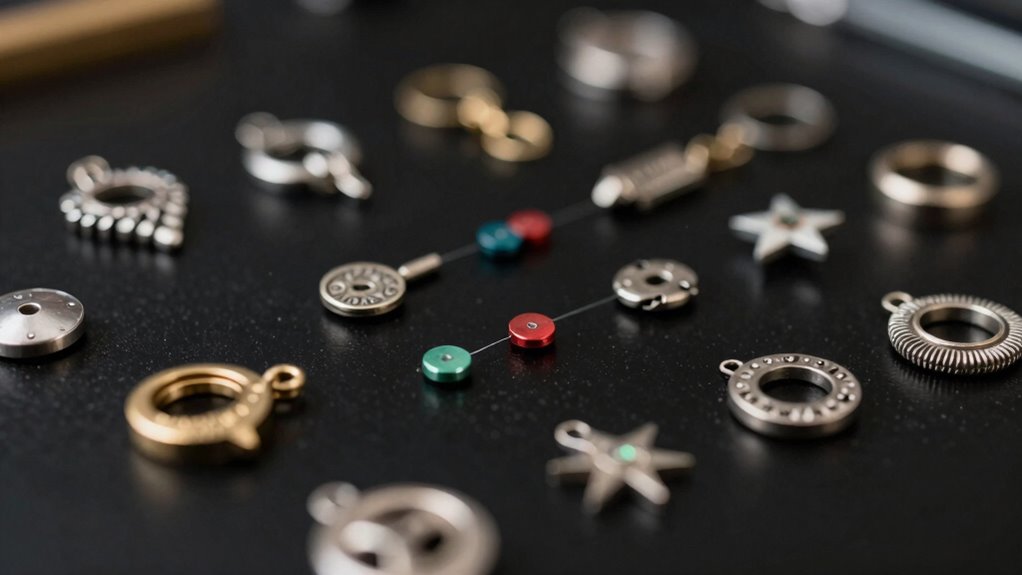
Have you ever wondered how effective magnet tests really are in determining material properties? When you’re trying to identify or authenticate an item, especially in the world of collectibles or jewelry, magnet tests can seem like a quick and simple solution. They’re often used to check the magnetic properties of a material, which can tell you a lot about its composition. For example, genuine gold or silver isn’t magnetic, so if a piece attracts a magnet strongly, it’s a clear sign that something’s off. However, relying solely on this test can be misleading. Many counterfeiters now use non-magnetic metals or coatings to imitate authentic materials, making magnet tests less reliable than they once were. That’s why savvy collectors understand the limits of these tests and don’t base their decisions solely on magnetic responses.
Magnet tests are valuable tools for initial screening, especially for counterfeit detection. They can quickly eliminate obvious fakes made from magnetic metals like iron or steel, which are sometimes used to mimic precious metals. But when it comes to high-quality counterfeits, these tests can’t provide definitive proof of authenticity. Some counterfeit items are crafted with non-magnetic alloys that pass the magnet test with flying colors. Even if a piece doesn’t react to a magnet, it doesn’t automatically mean it’s genuine. It simply means you need to dig deeper with additional testing methods. Relying exclusively on magnet tests can give you a false sense of security or lead you astray, especially if you’re unfamiliar with the craft or material composition of the item. Understanding material composition is crucial because many materials used in counterfeit items are designed to mimic the appearance of genuine precious metals without exhibiting the expected magnetic properties. This highlights the importance of knowing material properties to better interpret test results accurately.
In addition, imagination can be a powerful tool for developing new testing techniques or improving existing ones, enhancing the reliability of your authentication process. You should see magnet testing as just one step in a broader authentication process. It’s quick, inexpensive, and useful for flagging obvious fakes, but it shouldn’t be the only test you perform. When you suspect something is counterfeit, consider combining magnet tests with other methods like acid testing, spectrometry, or professional appraisal. These tools can give you a more accurate picture of a material’s true properties. Remember, counterfeit detection is a complex process, and magnetic response is just one piece of the puzzle. By understanding the limits of magnet tests, you can better protect your collection or investment from trouble down the line. Always approach magnet testing with caution, knowing that a non-magnetic response doesn’t guarantee authenticity, and be prepared to seek expert advice when needed.
professional jewelry acid test kit
As an affiliate, we earn on qualifying purchases.
As an affiliate, we earn on qualifying purchases.
Frequently Asked Questions
How Often Should Magnet Tests Be Performed on Collectibles?
You should perform magnet tests on collectibles at least once a year to guarantee their authenticity and preservation. Regular testing helps maintain their historical accuracy and cultural significance by detecting any hidden repairs or alterations early. If your items are exposed to environmental changes or handling, consider testing more frequently. Staying diligent with magnet checks preserves your collection’s value and integrity, preventing potential damage or deception from undetected modifications.
Are There Specific Tools Required for Accurate Magnet Testing?
A stitch in time saves nine, so you need the right tools for accurate magnet testing. To measure the magnetic field and guarantee test precision, use a Gaussmeter or a magnetic field tester. These tools give you reliable readings, helping you detect hidden issues early. Investing in quality equipment guarantees your collectibles stay safe, and you avoid surprises down the road. Remember, precision is key to smart collecting.
Can Magnet Tests Detect All Types of Counterfeit Items?
Magnet tests can’t detect all counterfeit items because they primarily assess magnet strength and metal composition, which can be mimicked by advanced fakes. While a genuine item typically has a specific magnetic response, counterfeiters often replicate this, making magnet tests less reliable for thorough detection. To truly identify fakes, you should combine magnet testing with other methods, like visual inspection and chemical analysis, for a more accurate assessment.
Do Magnet Tests Damage or Alter Collectibles?
Think of magnet tests like a gentle breeze—rarely damaging but capable of causing magnetic interference if misused. You won’t harm your collectibles if you use proper techniques, but overdoing it might affect delicate metal surfaces, risking collectible preservation. I once tested a vintage coin, and a too-strong magnet left a faint mark. Always use mild magnets and handle with care to avoid unintended damage or magnetic interference.
What Are Common Signs of False Positives in Magnet Testing?
You might notice false positive indicators when magnet strength appears stronger than expected, even if the object isn’t magnetic. Common signs include inconsistent reactions, like a weak or partial attraction, or objects that seem magnetic but aren’t. These false positives can happen due to nearby metallic debris or electronic interference. To avoid misjudging, double-check with alternative methods and consider environmental factors that could influence magnet strength during testing.
As an affiliate, we earn on qualifying purchases.
Conclusion
While magnet tests might seem simple, they reveal hidden vulnerabilities before trouble strikes. Just as a small magnet can uncover unseen flaws, your keen eye can prevent costly setbacks. Remember, the tiniest detail often makes the biggest difference—highlighting the importance of thorough checks. In a world where surprises lurk beneath the surface, a quick magnet test becomes your silent guardian, catching issues early and saving you from future headaches. Stay vigilant; small tests can prevent big problems.
As an affiliate, we earn on qualifying purchases.
As an affiliate, we earn on qualifying purchases.
Halloween Picks
halloween
As an affiliate, we earn on qualifying purchases.