

When changing careers mid-life, you should review your old 401(k) to decide the best option. You can leave it with your previous employer, roll it into your new employer’s plan, or transfer it into an IRA for more investment choices and control. Make sure to do a direct rollover to avoid taxes and penalties. Understanding these options will help you keep your retirement savings on track as you navigate your career shift.
Key Takeaways
- Evaluate whether to leave, roll over into a new employer’s plan, or transfer to an IRA for better control.
- Use a direct rollover to avoid taxes and penalties during the transfer of your old 401(k).
- Consolidating retirement accounts simplifies management and tracking, especially during career transitions.
- Consider how career changes impact your income and savings strategies, adjusting contributions accordingly.
- Stay informed about your options to maximize growth and maintain long-term retirement security during mid-life job changes.

Many people consider changing careers in mid-life, often driven by a desire for better pay, personal fulfillment, or to escape burnout. If you’re thinking about making a switch, it’s important to also consider what to do with your old 401(k). Your retirement savings are a valuable asset, and how you handle them can significantly impact your financial future. You might wonder whether to leave the funds where they are, roll them over into a new employer’s plan, or move them into an IRA. Each option has its merits, but understanding the implications can help you make the best choice.
Considering a career change? Don’t forget to plan your 401(k) options to secure your financial future.
Leaving your 401(k) with your previous employer is straightforward, but it might limit your control over investments and fees. Alternatively, rolling over the funds into a new employer’s plan can streamline your finances, especially if the new company offers a plan with lower fees and a good selection of investment options. However, if your new job doesn’t have a suitable plan, a rollover into an IRA might be the better route. An IRA gives you a wider range of investment choices, greater flexibility, and more control, which can be appealing if you’re re-evaluating your career and financial goals.
When considering a rollover, it’s vital to avoid triggering taxes or penalties. You should opt for a direct rollover, where the funds are transferred directly from your old plan to the new account. This way, you won’t face any immediate tax consequences. If you receive the money personally, it could be taxed and penalized unless you deposit it into a new retirement account within 60 days. Taking the proper steps guarantees your savings continue to grow tax-deferred, supporting your long-term financial stability. Using proper rollover procedures can help you avoid costly mistakes and preserve your retirement nest egg.
Your decision might also be influenced by your current employment status and future career plans. Since many individuals aged 35-44 are actively job-hunting due to dissatisfaction or burnout, you may find yourself changing jobs more frequently. This makes it even more important to have a clear strategy for managing your retirement funds. Consolidating accounts can simplify your finances and help you stay on top of your savings goals. Research shows that frequent job changes are common among mid-career professionals, emphasizing the importance of organized retirement planning.
In the end, your choice depends on your career path, investment preferences, and financial situation. As you explore new industries like healthcare, technology, or green energy, your income and savings strategies should adapt accordingly. Many organizations now offer upskilling and retraining programs, which can help you acquire new skills for your next chapter. Whatever you decide, keeping your retirement savings on track while navigating your career change is a vital step toward a secure future.
IRA rollover kit
As an affiliate, we earn on qualifying purchases.
As an affiliate, we earn on qualifying purchases.
Frequently Asked Questions
Can I Cash Out My 401(K) Without Penalties During a Career Change?
You can cash out your 401(k) during a career change, but be aware you’ll face a 10% early withdrawal penalty if you’re under 59½, plus income tax on the amount. To avoid penalties, consider rolling over your 401(k) into a new employer’s plan or an IRA. This way, you can access your funds later without immediate taxes or penalties, ensuring your retirement savings stay intact.
What Are the Tax Implications of Rolling Over My 401(K)?
Think of rolling over your 401(k) like transferring a treasure chest; you want to do it smoothly. When you roll over, taxes usually stay the same if you move the funds directly to an IRA or new employer plan. But if you cash out first, you’ll face income taxes plus a 10% early withdrawal penalty. So, plan carefully to avoid unexpected tax surprises, ensuring your retirement savings stay protected.
How Do I Decide Whether to Keep or Transfer My Old 401(K)?
You should compare the investment options, fees, and rules of your old 401(k) with those of a new plan or IRA. Consider if the old plan offers better options or lower costs. If you prefer more control and flexibility, transferring to an IRA might be best. Otherwise, keeping your 401(k) can be simpler, especially if you’re satisfied with its investments and fees. Evaluate what’s most beneficial for your financial goals.
Are There Penalties for Withdrawing Early From a 401(K) During a Career Shift?
Yes, there are penalties for withdrawing early from a 401(k) during a career shift if you’re under age 59½. You’ll face a 10% early withdrawal penalty plus income tax on the amount withdrawn. However, if you’re over 59½, you can access your funds without penalties. Consider your options carefully before withdrawing, as it can profoundly impact your retirement savings and tax situation.
What Are the Best Options for Managing Multiple Retirement Accounts?
Over 80% of Americans have multiple retirement accounts, which can seem overwhelming. To manage them effectively, consider consolidating your old 401(k)s into a single IRA for easier tracking and lower fees. Regularly review your investment options, rebalance your portfolio, and make certain your allocations align with your retirement goals. This approach simplifies management and helps maximize your savings, giving you greater confidence in your financial future.
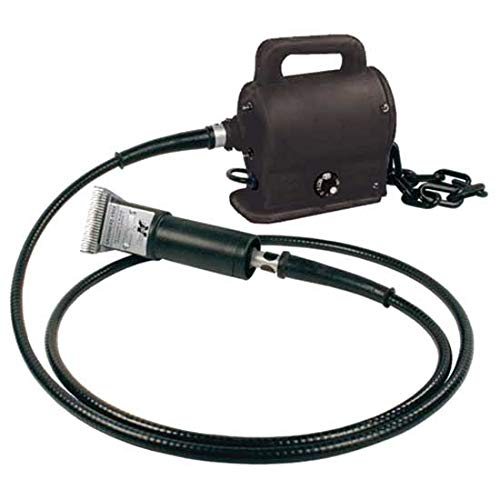
Double K 401 Portable Wall Mount Clipper for Horses and Livestock
Cuts easily through thick, dense and dirty hair while still operating quietly
As an affiliate, we earn on qualifying purchases.
As an affiliate, we earn on qualifying purchases.
Conclusion
Steering a mid-life career change is like steering a ship through uncharted waters. Your old 401(k) is your trusted compass—guiding you toward new horizons. While the journey may feel uncertain, with careful planning and clarity, you can chart a course toward financial security and fulfilling work. Embrace this change as an adventure, knowing that every wave you ride brings you closer to the destination you’ve envisioned. The horizon is waiting—set your sails and steer forward.
retirement account consolidation software
As an affiliate, we earn on qualifying purchases.
As an affiliate, we earn on qualifying purchases.
direct rollover form
As an affiliate, we earn on qualifying purchases.
As an affiliate, we earn on qualifying purchases.