

When comparing IRAs, 401(k)s, HSAs, and taxable accounts, you’ll find each has unique benefits and limits. 401(k)s are employer-sponsored with high contribution limits and tax-deferred growth, while IRAs offer more investment flexibility with traditional or Roth options. HSAs provide tax advantages for medical expenses and can supplement retirement savings. Taxable accounts have no limits but lack tax benefits. Understanding these differences helps you plan effectively; you’ll uncover how each fits into your long-term strategy as you continue.
Key Takeaways
- IRAs and 401(k)s are tax-advantaged retirement accounts with contribution limits and different tax treatments; HSAs also offer tax benefits for medical savings.
- 401(k)s are employer-sponsored with higher contribution limits, while IRAs are individual accounts with lower limits; taxable accounts have no restrictions.
- HSAs provide triple tax advantages but require a high-deductible health plan; Roth IRAs offer tax-free withdrawals after age 59½.
- Taxable accounts offer maximum flexibility without contribution limits but incur taxes on dividends and capital gains annually.
- The optimal mix depends on income, savings goals, and retirement timeline, balancing tax benefits and access flexibility.

Retirement investment vehicles are essential tools for building your financial future. They help you grow your savings efficiently, take advantage of tax benefits, and plan for a comfortable retirement. Understanding the different options available—such as IRAs, 401(k)s, HSAs, and taxable accounts—can help you make smarter decisions aligned with your goals.
A 401(k) is a popular employer-sponsored plan that lets you contribute a significant amount each year—$23,500 in 2025, with extra catch-up contributions of up to $7,500 if you’re 50 or older, and even more for those aged 60-63 under SECURE Act 2.0. Contributions are tax-deferred, meaning you reduce your taxable income now, and pay taxes when you withdraw funds in retirement. You typically have limited investment options within the plan, such as mutual funds and ETFs, and you’ll need to adhere to withdrawal rules, usually penalty-free after age 59½. Early withdrawals may incur penalties unless they qualify for specific exceptions.
Traditional IRAs and Roth IRAs both let you save for retirement with different tax advantages. You can contribute up to $7,000 in 2025, with an additional $1,000 catch-up if you’re 50 or older. Traditional IRAs may offer tax deductions on your contributions, depending on your income and whether you’re covered by an employer plan. Taxes are paid upon withdrawal in retirement. Roth IRAs, on the other hand, are funded with after-tax dollars, so qualified withdrawals—after five years and age 59½—are tax-free, and there are no required minimum distributions (RMDs). However, Roth IRA eligibility depends on income limits.
Health Savings Accounts (HSAs) are a unique tool that combines medical savings with tax benefits. For 2025, contribution limits are $4,300 for individuals and $8,550 for families, plus a $1,000 catch-up for those aged 55+. You must be enrolled in a high-deductible health plan (HDHP) to qualify. Contributions are tax-deductible, grow tax-free, and withdrawals for qualified medical expenses are also tax-free. After age 65, you can withdraw for non-medical reasons without penalties, but it will be taxed as income. HSA contributions are also advantageous because they can be used as a supplemental retirement account since their funds can be withdrawn penalty-free after age 65 for any purpose. Additionally, careful planning for tax-advantaged accounts can optimize your overall strategy.
Taxable accounts provide maximum flexibility—they have no contribution limits or income restrictions. You can invest in stocks, bonds, mutual funds, and more, with post-tax dollars. While you can access the funds anytime without penalties, you’ll pay taxes on dividends and capital gains annually. This makes taxable accounts ideal for short-term goals or supplemental savings, though they lack the tax advantages of retirement-specific vehicles. Ultimately, choosing the right mix depends on your income, savings goals, and retirement timeline.

2025 2025
As an affiliate, we earn on qualifying purchases.
As an affiliate, we earn on qualifying purchases.
Frequently Asked Questions
How Do Contribution Limits Vary by Account Type and Income Level?
You can contribute up to $6,500 annually to IRAs, with a $1,000 catch-up if you’re over 50, regardless of income. 401(k) limits are higher at $22,500, or $30,000 if over 50, and aren’t affected by income. HSAs allow contributions up to $3,850 for individuals and $7,750 for families, with additional catch-up contributions. Taxable accounts have no contribution limits, but tax implications depend on your income and investment choices.
What Are the Early Withdrawal Penalties for Each Account?
If you dip into your accounts early, you’ll face some hurdles. For IRAs and 401(k)s, withdrawals before age 59½ usually trigger a 10% penalty plus taxes. HSAs allow penalty-free withdrawals for qualified medical expenses, but not for other reasons. Taxable accounts have no penalties, but selling investments early might mean losing potential gains. Plan carefully—early withdrawals can impact your future financial security more than you realize.
How Do Tax Deductions Differ Among IRAS, 401(K)S, HSAS, and Taxable Accounts?
You can deduct contributions to traditional IRAs and 401(k)s if you meet certain income limits and are not covered by other retirement plans. HSAs offer tax deductions for contributions, especially if you itemize. Taxable accounts don’t provide upfront deductions, but your investments grow tax-deferred until you sell. Your eligibility and deduction amounts depend on your income, filing status, and whether you participate in employer-sponsored plans.
Can I Convert Between Different Retirement Accounts Easily?
It’s quite convenient to convert between different retirement accounts, but the process varies. You can roll over a 401(k) to an IRA or convert a traditional IRA to a Roth IRA, often without penalty if done correctly. Just make certain you follow the IRS rules and timelines. Planning ahead helps avoid taxes or penalties, so you might want to consult a financial advisor to make smooth transitions and optimize your tax situation.
Which Account Offers the Best Flexibility for Investment Choices?
You’ll find taxable accounts offer the most flexibility for investment choices. You can buy and sell a wide range of assets without restrictions, and there are no penalties or required minimum distributions. IRAs and 401(k)s have more limitations, like restricted investment options and early withdrawal penalties. HSAs are somewhat flexible but mainly designed for healthcare expenses. So, if you want maximum control over your investments, a taxable account is your best bet.
high yield 401(k) mutual funds
As an affiliate, we earn on qualifying purchases.
As an affiliate, we earn on qualifying purchases.
Conclusion
Think of your retirement strategy as tending a garden. IRAs, 401(k)s, HSAs, and taxable accounts are your different tools—each with its unique purpose. By using them wisely and understanding their roles, you’ll nurture a diverse and resilient portfolio. Remember, no single tool can do all the work alone. When you blend them thoughtfully, your financial future blossoms just like a well-tended garden, thriving through variety and care.

HSA Investing for Beginners: 2026 Edition – How to Use a Health Savings Account to Save on Taxes, Invest for the Future, and Build Long-Term Wealth
As an affiliate, we earn on qualifying purchases.
As an affiliate, we earn on qualifying purchases.
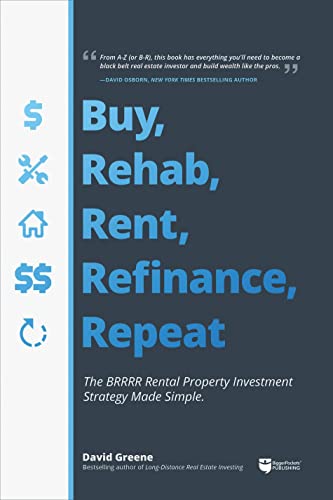
Buy, Rehab, Rent, Refinance, Repeat: The BRRRR Rental Property Investment Strategy Made Simple
As an affiliate, we earn on qualifying purchases.
As an affiliate, we earn on qualifying purchases.