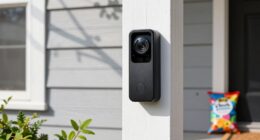
For a connected home security system, I’d start with the ADT Blu Glass Break Sensor as the best overall pick, with its wireless design and stated 25-foot range. The SimpliSafe Glassbreak Sensor is a better match for households already using the compatible SimpliSafe system, while the eufy Security Glass Break Sensor E10 suits HomeBase owners seeking a system-specific option. The main tradeoff is between system-linked alerts and standalone alarms that make noise at the window but may not notify a monitoring setup. Range, compatibility, sound versus vibration detection, and the number of sensors in a pack all affect the right choice. Read on for the full comparison and guidance on matching a kit to your windows and security setup.

Get home office essentials delivered free with Prime
- Fast, free delivery on millions of items
- Prime Video, Amazon Music and more included
- Member-only deals all year
Key Takeaways
- System compatibility is the first divider: the two SimpliSafe sensors are for different generations, while eufy’s E10 requires HomeBase; check your hub before choosing either.
- The ADT Blu and eufy E10 list 25-foot ranges, compared with 20 feet for the SimpliSafe models, but a stated range alone does not settle which option fits a room.
- Standalone vibration alarms prioritize a local warning: EVA LOGIK, WSdcam, and other multi-pack window alarms can suit buyers who want alarms mounted at individual windows rather than a hub-linked sensor.
- Pack size changes the coverage plan: several choices come in four- or six-unit packs, while the EVA LOGIK option also has an eight-pack version for covering more openings.
- The Feit Electric and Qolsys options serve distinct setups: Feit adds Wi-Fi and an audible alarm, while Qolsys is an encrypted wireless sensor whose appeal depends on system compatibility.
| ADT Blu Glass Break Sensor, Wireless, 25 ft Range |  | Best for Wider Room Coverage | Sensing distance: 25 feet | Measuring range: 20 | Mounting type: Wall mount | VIEW ON AMAZON | See Our Full Breakdown |
| SimpliSafe Glassbreak Sensor – 20ft Range, Sound Detection Technology, Compatible with New Gen SimpliSafe Home Security System |  | Best for New SimpliSafe Systems | Range: 20 feet | Detection technology: Sound detection | Compatibility: New-generation SimpliSafe home security system | VIEW ON AMAZON | See Our Full Breakdown |
| SimpliSafe Glassbreak Sensor – 20ft Range, Sound Detection Technology, Compatible with Gen 3 Home Security System |  | Best for SimpliSafe Gen 3 | Detection range: 20 feet | Technology: Sound detection | Compatibility: SimpliSafe Gen 3 home security system | VIEW ON AMAZON | See Our Full Breakdown |
| EVA LOGIK Ultra-Thin Window Alarm with 120dB Sound and Vibration Sensors – 8 Pack |  | Best Multi-Window Standalone Deterrent | Pack size: 8 alarms | Sensor technology: Vibration sensor | Audible alarm: 120dB | VIEW ON AMAZON | See Our Full Breakdown |
| WSdcam Glass Break Sensor Alarm 125dB Wireless Vibration Detector for Home Security |  | Best Single-Window Vibration Alarm | Detection method: Vibration detection | Alarm sound: 125dB | Sensitivity: Adjustable | VIEW ON AMAZON | See Our Full Breakdown |
| 6 Pack Window Glass Break Alarm with Vibration Sensor |  | Best for Broad Window Coverage | Number of units: 6 | Sensor type: Vibration sensor | Alarm sound level: 130dB | VIEW ON AMAZON | See Our Full Breakdown |
| Qolsys IQ Wireless S-Line Encrypted Glass Break Sensor (QS1431-840) |  | Best for Compatible Security Panels | Model: QS1431-840 | Sensor method: Pitch and frequency detection | Sensing distance: Up to 25 feet | VIEW ON AMAZON | See Our Full Breakdown |
| Window Alarm System 4-Pack – Ultra-Loud 120dB Alarms with Vibration Sensors |  | Best for Visible DIY Deterrence | Number of units: 4 | Sensor technology: Vibration sensor | Alarm sound level: 120dB | VIEW ON AMAZON | See Our Full Breakdown |
| EVA LOGIK Ultra-Thin Window Alarm 4 Pack with 120dB Loud Sound and Vibration Sensors |  | Best for Low-Profile Window Alarms | Number of units: 4 | Alarm sound level: 120dB | Sensor technology: Listed as contact sensor; description also refers to vibration sensors | VIEW ON AMAZON | See Our Full Breakdown |
| Feit Electric Smart Wi-Fi Glass Break Sensor with Audible Alarm |  | Best for App Alerts Without a Hub | Connectivity: Wi-Fi | Alarm volume: 85dB | Power source: Battery operated | VIEW ON AMAZON | See Our Full Breakdown |
| eufy Security Glass Break Sensor E10, 25 ft Range, HomeBase Required |  | Best for HomeBase Owners | Power source: Battery powered | Maximum range: 25 feet | Glass types: Six types | VIEW ON AMAZON | See Our Full Breakdown |
| WSDCAM Glass Break Sensor Alarm 125dB Wireless Glass Break Detector – 4 Pack |  | Best Standalone Multi-Window Pack | Pack size: 4 sensors | Power source: Battery powered | Battery type: 3 LR44 batteries per sensor; included | VIEW ON AMAZON | See Our Full Breakdown |
| glass break sensor kit for home security | Power source |
|---|---|
| ADT Blu Glass Break Sensor | — |
| SimpliSafe Glassbreak Sensor | — |
| SimpliSafe Glassbreak Sensor | — |
| EVA LOGIK Ultra-Thin Window Al | Battery powered |
| WSdcam Glass Break Sensor Alar | — |
| 6 Pack Window Glass Break Alar | — |
| Qolsys IQ Wireless S-Line Encr | — |
| Window Alarm System 4-Pack | Battery powered |
| EVA LOGIK Ultra-Thin Window Al | 2 AAA batteries, not included |
| Feit Electric Smart Wi-Fi Glas | Battery operated |
| eufy Security Glass Break Sens | Battery powered |
| WSDCAM Glass Break Sensor Alar | Battery powered |
More Details on Our Top Picks
ADT Blu Glass Break Sensor, Wireless, 25 ft Range
The ADT Blu stands out for buyers who want sound-based glass-break detection across a larger room: its stated 25-foot sensing distance exceeds the 20-foot range of both SimpliSafe sensors here. Machine-learning audio analysis is intended to distinguish breaking glass from everyday sounds, while tamper alerts add a signal if the unit is disturbed. It mounts on a wall or ceiling, so placement can suit a room with several windows rather than requiring an alarm on each pane.
The tradeoff is a tighter ecosystem commitment. Unlike the peel-and-stick SimpliSafe Gen 3 sensor, it requires a compatible ADT Blu system and subscription, and its battery will need replacement. Choose it for compatible ADT coverage; skip it if you want a standalone alarm or use another security platform.
Pros:- 25-foot sensing distance offers more stated room coverage than the two 20-foot SimpliSafe sensors in this lineup.
- Machine-learning audio analysis is designed to reduce false alarms from ordinary sounds.
- Wall or ceiling mounting gives flexibility when positioning the sensor.
- Tamper alerts can flag interference with the sensor.
Cons:- Requires a compatible ADT Blu system and subscription.
- Battery power means periodic replacement is required.
- Sound detection depends on suitable placement and does not detect every kind of intrusion.
Best for: Households with a compatible ADT Blu system that need one sound sensor to cover windows spread across a room.
Not ideal for: People without an ADT Blu system or subscription, or anyone seeking a standalone, pane-mounted alarm.
- Sensing distance:25 feet
- Measuring range:20
- Mounting type:Wall mount
- Output type:Digital
- Response time:1 millisecond
- Specific uses:Intrusion detection in residential and commercial buildings
- Material:Plastic
- Dimensions:2.87 x 1.77 x 0.57 inches
Our verdict“Choose the ADT Blu for broader room coverage if you already use its required system; otherwise, the SimpliSafe options or standalone vibration alarms may fit better.”
SimpliSafe Glassbreak Sensor – 20ft Range, Sound Detection Technology, Compatible with New Gen SimpliSafe Home Security System
This version is the straightforward pick for households with the new-generation SimpliSafe system. It listens for the sound pattern of breaking glass within 20 feet, rather than relying on contact with a specific pane, and the included batteries, adhesive, and mounting hardware simplify setup. Compared with the ADT Blu, it has a shorter stated range and no listed machine-learning feature or tamper alert, but it avoids sending buyers outside the SimpliSafe ecosystem.
Its role is deliberately narrow: add room-level glass-break sound detection to a compatible alarm setup. The sensor is not a standalone siren like the EVA LOGIK window alarms, which react to vibration at the window itself. Keep it within range of the glass, and skip it if you need compatibility with Gen 3 SimpliSafe or a different system.
Pros:- Designed for compatibility with the new-generation SimpliSafe system.
- 20-foot sound detection covers a room without attaching a sensor to each window.
- Batteries and adhesive are included for simpler setup.
- Mounting plate and screws provide an alternative to adhesive installation.
Cons:- Requires a compatible SimpliSafe system and is not presented as a standalone alarm.
- The 20-foot range requires careful placement near the glass.
- Sound detection does not cover other intrusion types.
Best for: Owners of the new-generation SimpliSafe system who want a sound-detecting sensor with mounting supplies included.
Not ideal for: Gen 3 SimpliSafe owners, people using another security platform, or buyers who need detection beyond a 20-foot placement radius.
- Range:20 feet
- Detection technology:Sound detection
- Compatibility:New-generation SimpliSafe home security system
- Maximum sensors:100
- Included power:Batteries
- Included mounting items:Adhesive, 2 screws, mounting plate
Our verdict“Choose this model if you have new-generation SimpliSafe and want room-based glass-break detection with installation supplies in the box.”
SimpliSafe Glassbreak Sensor – 20ft Range, Sound Detection Technology, Compatible with Gen 3 Home Security System
For a home already running SimpliSafe Gen 3, this sensor adds glass-break sound detection without changing platforms. Its 20-foot range lets one unit monitor nearby windows as a group, and peel-and-stick installation keeps setup simple. The SimpliSafe new-generation model offers the same stated range and sound-based approach, but this version is specifically listed for Gen 3, making system compatibility the deciding difference rather than detection reach.
Compared with the EVA LOGIK 8-pack, this is a system-connected alerting component, not a local vibration alarm mounted on the glass. It can send phone alerts through the SimpliSafe app, but it still depends on a compatible system and only detects sound. The description calls the battery long-lasting without giving a duration, so buyers who prioritize clear battery-life details may prefer the WSdcam alarm’s stated one-year life.
Pros:- Listed compatibility with SimpliSafe Gen 3 makes it a targeted add-on for that system.
- 20-foot sound detection can cover nearby windows without placing an alarm on each pane.
- Peel-and-stick installation reduces setup effort.
- SimpliSafe app alerts can notify users remotely when the system detects an event.
Cons:- Requires a compatible SimpliSafe system.
- Detects breaking-glass sounds rather than vibration or other intrusion activity.
- Battery life is described as long-lasting but no duration is provided.
Best for: SimpliSafe Gen 3 households that want app-connected glass-break sound detection and uncomplicated adhesive installation.
Not ideal for: Owners of newer SimpliSafe generations or other systems, and buyers seeking a standalone vibration alarm or a specified battery duration.
- Detection range:20 feet
- Technology:Sound detection
- Compatibility:SimpliSafe Gen 3 home security system
- Battery:Long-lasting; duration not specified
- Installation:Peel and stick
- Alerts:Phone alerts via the SimpliSafe app
Our verdict“Pick this over the new-generation SimpliSafe sensor only if your existing system is Gen 3 and you want app-linked sound detection.”
EVA LOGIK Ultra-Thin Window Alarm with 120dB Sound and Vibration Sensors – 8 Pack
The EVA LOGIK 8-pack takes a different approach from the ADT Blu and SimpliSafe sensors: each unit attaches to a window and responds to physical vibration with a local 120dB alarm. That makes this a practical option for covering several windows without relying on a central compatible security system. The eight alarms also offer more per-window coverage than a single room-level sound sensor, while adjustable sensitivity can help tune response to the mounting location.
The tradeoff is that vibration detection is not the same as recognizing the sound of breaking glass. Compared with the WSdcam alarm, EVA LOGIK provides eight alarms in one set, but batteries are not included and non-intrusive vibrations may trigger alarms. Choose it for broad, local deterrence; skip it if you need app-linked monitoring or remote alerts.
Pros:- Eight alarms allow coverage across multiple windows.
- 120dB audible alarm provides a local deterrent when vibration is detected.
- Wire-free window mounting avoids system wiring.
- Adjustable sensitivity can help limit false alarms from incidental vibrations.
Cons:- Batteries are not included.
- Vibration sensing may react to non-intrusive impacts and does not listen for glass-break sounds.
- The description does not establish integration with a specific app-connected security system.
Best for: Renters, dorm residents, or homeowners who want individual local alarms on several windows without adding a compatible hub-based system.
Not ideal for: Buyers who need app-connected alerts, central monitoring, or sound-based detection across a room; batteries must also be purchased separately.
- Pack size:8 alarms
- Sensor technology:Vibration sensor
- Audible alarm:120dB
- Power source:Battery powered
- Batteries included:No
- Mounting type:Window mount
- Dimensions:3.2 x 3 x 0.65 inches
- Color:White
Our verdict“Choose this set when you need simple, per-window alarms across many panes, but choose a SimpliSafe or ADT sensor for system-linked sound detection.”
WSdcam Glass Break Sensor Alarm 125dB Wireless Vibration Detector for Home Security
WSdcam is suited to buyers who want a compact, local alarm for a particular window rather than an add-on for a monitored security platform. Its vibration sensor triggers a stated 125dB alarm, and adjustable sensitivity gives the owner some control over how easily the unit responds. Compared with the EVA LOGIK 8-pack, this is a single-sensor choice with a louder stated alarm and included LR44 batteries; EVA LOGIK is the better fit when covering many windows at once.
The one-year battery-life claim helps set a replacement expectation, though the unit remains battery-powered and has no wired option. Like EVA LOGIK, it detects vibration, not breaking-glass sound, so it may respond to unrelated movement and does not offer the room-level sound detection or app-linked system alerts described for SimpliSafe. Pick it for a simple, peel-and-stick deterrent—not centralized security coverage.
Pros:- 125dB local alarm is louder by its stated rating than the EVA LOGIK alarm’s 120dB.
- Adjustable sensitivity allows response tuning for the installation spot.
- Three LR44 batteries per sensor are included.
- Stated one-year battery life provides a replacement interval to plan around.
Cons:- Vibration detection may react to unrelated impacts and does not detect every break-in method.
- Requires battery replacement and has no wired power option.
- A single sensor offers less multi-window coverage than the EVA LOGIK 8-pack.
Best for: People who want a battery-powered, peel-and-stick alarm for one window in a home, office, or garage.
Not ideal for: Buyers who need whole-room sound detection, security-system integration, remote notifications, or wired power.
- Detection method:Vibration detection
- Alarm sound:125dB
- Sensitivity:Adjustable
- Battery:3 LR44 batteries per sensor, included
- Battery life:1 year
- Installation:Peel and stick
- Design:Ultra-slim and lightweight
Our verdict“Choose WSdcam for a compact standalone alarm on one window; opt for a system-connected sound sensor if remote alerts and room coverage matter more.”
6 Pack Window Glass Break Alarm with Vibration Sensor
For buyers who want to cover several windows without connecting a security panel, this six-alarm set offers a straightforward approach: each unit reacts to vibration and sounds its own 130dB siren. That makes it a better fit for room-by-room coverage than the single Feit Electric Smart Wi-Fi Glass Break Sensor, which adds app alerts but not the same six-point coverage. Installation requires no tools, and batteries are included with a stated life of up to 12 months, so setup has fewer extra steps than the AAA-powered Window Alarm System 4-Pack. The tradeoff is that these are local alarms, not a monitored or app-connected system, and vibration detection may miss a gentle opening. The fixed six-pack can also be more than a small home needs.
Pros:- Six units can cover multiple windows around a home
- 130dB local siren provides a strong audible warning
- Tool-free installation keeps setup simple
- Batteries are included, with life stated up to 12 months
Cons:- No app alerts or connection to a security control panel
- Vibration sensing may not detect a non-forceful opening
- Six units may be excessive for a small home
Best for: Homeowners who want simple, standalone vibration alarms on several windows and prefer included batteries over app features
Not ideal for: People seeking remote alerts, panel integration, or coverage for doors and gentle window openings
- Number of units:6
- Sensor type:Vibration sensor
- Alarm sound level:130dB
- Battery life:Up to 12 months
- Batteries included:Yes
- Installation:Tool-free
Our verdict“Choose this set for broad, standalone window coverage with included batteries, but skip it if remote notification or panel integration matters more.”
Qolsys IQ Wireless S-Line Encrypted Glass Break Sensor (QS1431-840)
Unlike the standalone window alarms in this lineup, the Qolsys IQ S-Line listens for the pitch and frequency of breaking glass, with detection specified up to 25 feet away. Its encrypted wireless signal and compatibility with 319.5 MHz Qolsys IQ and GE/Interlogix panels make it the most system-oriented choice here; the Feit Electric sensor offers Wi-Fi app alerts instead, while this Qolsys unit depends on a compatible panel. That distinction matters: it can suit a home already using one of those systems, but it is not a self-contained alarm. Battery power avoids wiring, though the sensor still needs careful placement—away from windows and noise sources—so setup is less casual than sticking a vibration alarm directly onto glass. Check panel compatibility before buying.
Pros:- Sound-frequency detection covers glass within a stated 25-foot sensing distance
- S-Line encryption protects wireless signals against replay attacks
- Battery-powered installation requires no wiring
- Compatible with specified Qolsys IQ and GE/Interlogix 319.5 MHz panels
Cons:- Requires a separate compatible panel or receiver
- Placement restrictions add care to installation
- Does not provide standalone alarming as described
Best for: Households with a compatible 319.5 MHz Qolsys IQ or GE/Interlogix panel that want sound-based glass-break detection
Not ideal for: Buyers without a compatible control panel or anyone wanting a standalone alarm with no system setup
- Model:QS1431-840
- Sensor method:Pitch and frequency detection
- Sensing distance:Up to 25 feet
- Wireless frequency:319.5 MHz
- Wireless range:Up to 600 feet from panel
- Battery:2 x CR123A, included
- Encryption:S-Line
- Mounting:Wall or ceiling
Our verdict“Pick this sensor when you already have a compatible panel and want encrypted, room-level glass-break detection rather than a standalone window siren.”
Window Alarm System 4-Pack – Ultra-Loud 120dB Alarms with Vibration Sensors
This four-pack pairs a 120dB vibration alarm with visual warning indicators, giving a window an obvious deterrent as well as a sound alert. It is a simple fit for homes, offices, or RVs where buyers want peel-and-stick protection without adding a hub. Compared with the six-piece B07B2Q65DJ set, it covers fewer windows and has a lower stated siren level, but the visual indicators give it a distinct warning-focused angle. The AAA batteries are not included, so setup requires a separate battery purchase; unlike the Feit Electric Smart Wi-Fi sensor, it also offers no mobile notification or remote status. Its vibration-based detection is intended for glass windows, not broad whole-home monitoring, so choose it for local alerts rather than a connected security system.
Pros:- Four standalone alarms can protect multiple glass windows
- 120dB siren provides a local audible warning
- Peel-and-stick mounting avoids tools
- Visual warning indicators add a visible deterrent
Cons:- AAA batteries are not included
- No remote alerts, app control, or included control unit
- Designed for window vibration detection rather than broader entry monitoring
Best for: Renters, RV owners, and small-office users who want visible, adhesive-mounted window alarms without a hub
Not ideal for: Buyers who need included batteries, app notifications, or glass-break coverage integrated with a security panel
- Number of units:4
- Sensor technology:Vibration sensor
- Alarm sound level:120dB
- Power source:Battery powered
- Battery type:AAA
- Batteries included:No
- Mounting:Adhesive
- Dimensions:3 x 0.6 x 3.2 inches
Our verdict“Choose this pack for visible, adhesive-mounted window deterrence, provided you are comfortable supplying batteries and using local alarms only.”
EVA LOGIK Ultra-Thin Window Alarm 4 Pack with 120dB Loud Sound and Vibration Sensors
The 0.6-inch-thin profile makes this EVA LOGIK four-pack the subtle choice among the standalone alarms here, especially for dorm rooms, offices, or windows where a bulky sensor would be unwelcome. It offers a 120dB alarm, adjustable sensitivity, visual alerts, and deterrent stickers; compared with the Window Alarm System 4-Pack, its listed sensitivity adjustment gives buyers another way to tune responses to window movement. Both require AAA batteries that are not included, and neither provides the app alerts available from the Feit Electric Smart Wi-Fi sensor. The product data describes vibration sensing in the overview but lists contact sensor technology in its specifications, so buyers should verify the sensing method before relying on it for a particular window. It is a local alarm set, not a complete security system.
Pros:- Slim 0.6-inch depth suits spaces where a low-profile alarm is preferred
- 120dB audible alarm provides a local alert
- Adjustable sensitivity can help tune detection
- Includes visual alerts and deterrent stickers
Cons:- Two AAA batteries are not included
- Product information conflicts on whether sensing is vibration-based or contact-based
- No mobile alerts or remote monitoring are specified
Best for: Dorm residents and office users who want a slim, visible window alarm with adjustable sensitivity
Not ideal for: Buyers who need app alerts, included batteries, or an unambiguous sensor specification before choosing
- Number of units:4
- Alarm sound level:120dB
- Sensor technology:Listed as contact sensor; description also refers to vibration sensors
- Power source:2 AAA batteries, not included
- Voltage:3V
- Control method:Touch
- Dimensions:3.2 x 3 x 0.6 inches
- Included deterrents:Visual alerts and stickers
Our verdict“Consider this set for a discreet local window alarm, but verify the sensing method and plan to provide your own batteries.”
Feit Electric Smart Wi-Fi Glass Break Sensor with Audible Alarm
The Feit Electric sensor is the clearest pick for buyers who want a phone notification when glass breaks, not just a siren sounding inside the room. Its Wi-Fi connection needs no hub, and the app alerts distinguish it from the standalone four- and six-pack vibration alarms, including the 120dB EVA LOGIK set. The tradeoff is a more modest 85dB built-in alarm, so buyers prioritizing a loud local deterrent may prefer those louder window-mounted options. It is battery-operated and intended for indoor use, with monitoring limited to glass-break events on windows and glass doors. Compared with the Qolsys sensor, it avoids the need for a specified security panel, but it does not provide the same stated panel compatibility or encrypted system integration. Battery replacement remains part of upkeep.
Pros:- Wi-Fi connectivity supports real-time mobile alerts
- No separate hub is required
- Monitors windows and glass doors
- Built-in audible alarm provides an additional local alert
Cons:- 85dB alarm is less forceful than the 120dB and 130dB standalone alternatives
- Indoor use only
- Battery replacement is required
Best for: People who want app-based glass-break notifications over Wi-Fi without buying a separate hub
Not ideal for: Buyers who prioritize a very loud local siren, outdoor use, or integration with a compatible alarm panel
- Connectivity:Wi-Fi
- Alarm volume:85dB
- Power source:Battery operated
- Use:Indoor only
- Mobile alerts:Real-time app alerts
- Hub required:No
- Warranty:1 year
Our verdict“Choose the Feit Electric sensor when phone alerts and hub-free Wi-Fi matter more than maximum siren volume or security-panel integration.”
eufy Security Glass Break Sensor E10, 25 ft Range, HomeBase Required
The E10 is the stronger fit for a connected security setup: it detects breaks across six types of glass and covers up to 25 feet, while working with several HomeBase models. That gives it broader placement flexibility than the WSDCAM four-pack, whose sensors rely on vibration and sound an alarm locally rather than integrating through a listed hub. The tradeoff is dependency: the E10 needs a compatible HomeBase, so it is not a standalone purchase for someone starting from scratch. Adhesive or screw mounting lets you choose between a quick install and a more fixed attachment. Its stated two-year battery life can also mean less frequent upkeep, though actual life may vary with use. I’d choose it for HomeBase households that want glass-break detection as part of their existing system, not as an isolated window alarm.
Pros:- Detection range extends up to 25 feet.
- Supports six types of glass.
- Compatible with several HomeBase models.
- Offers adhesive or screw mounting.
Cons:- Requires a compatible HomeBase to operate.
- Compatibility is limited to the listed HomeBase models.
- Battery life may vary with usage.
Best for: Households with a compatible HomeBase 2, HomeBase 3, HomeBase Mini, or HomeBase Pro that want sensor coverage across different glass types.
Not ideal for: Renters or first-time buyers without a compatible HomeBase who want an independent alarm that works straight out of the box.
- Power source:Battery powered
- Maximum range:25 feet
- Glass types:Six types
- Mounting:Wall mount; adhesive or screws
- Average battery life:2 years
- Compatible devices:HomeBase 2, HomeBase 3, HomeBase Mini, HomeBase Pro
- Number of batteries:2
- Color:White
Our verdict“Choose the E10 if you already own a compatible HomeBase and want broad glass coverage; pick the standalone WSDCAM alarms if you do not want a hub dependency.”
WSDCAM Glass Break Sensor Alarm 125dB Wireless Glass Break Detector – 4 Pack
This four-pack is aimed at buyers who want independent alarms on several windows or doors, without adding a hub or integrating sensors into a larger security system. Each unit responds to vibration, with adjustable sensitivity to help tailor detection and reduce unwanted alarms. Its 125 dB alarm is a direct local deterrent, unlike the eufy E10, which depends on a compatible HomeBase for operation and offers a wider, specified 25-foot detection range. The WSDCAM listing gives a 12-meter maximum range, but its vibration-based approach is not equivalent to sound detection across glass types; a break that does not produce enough vibration may go unnoticed. Peel-and-stick mounting makes installation simple, while the included LR44 batteries and low-battery alert add convenience. I’d pick this for straightforward coverage across multiple panes, not for system-based monitoring.
Pros:- Four sensors cover multiple windows or doors.
- Peel-and-stick mounting keeps installation simple.
- Adjustable sensitivity helps tune vibration response.
- Each unit provides a 125 dB alarm and low-battery warning.
Cons:- Vibration-only detection may miss breaks that do not trigger enough sensor movement.
- LR44 batteries require replacement, with life stated at about a year.
- Local alarms do not provide the HomeBase integration offered by the eufy E10.
Best for: Homeowners, renters, or RV owners who want separate local alarms on several windows or doors without buying a hub.
Not ideal for: Buyers who need integration with a home-security hub or want sound-based glass-break detection rather than vibration sensing.
- Pack size:4 sensors
- Power source:Battery powered
- Battery type:3 LR44 batteries per sensor; included
- Audible alarm:125 dB
- Maximum range:12 meters
- Sensor technology:Vibration/motion sensor
- Mounting:Door mount; peel-and-stick
- Control method:Touch
- Color:White
Our verdict“Choose this pack for simple, hub-free alarms across several openings, but choose the eufy E10 if you need HomeBase integration and glass-type detection.”
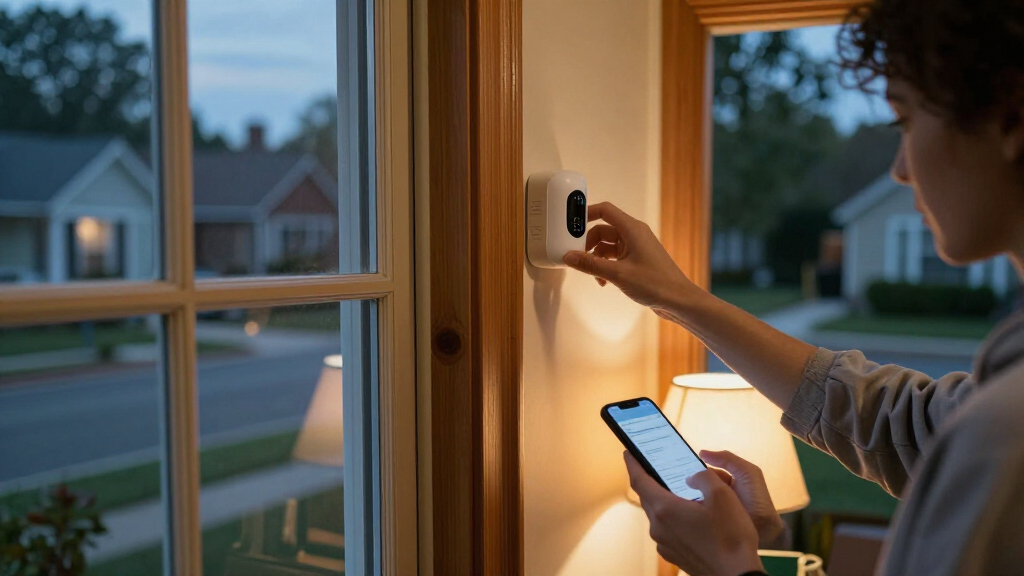
How We Picked
I compared these kits on the factors that shape their usefulness as glass break protection: how they detect an event, what alerts they provide, their stated range, whether they need a compatible hub or security system, and how many windows a pack can cover. I also considered setup implications and the practical difference between a sensor that can connect to a home security platform and a standalone alarm that sounds locally. A loud alarm can alert people nearby, but it is not the same as a system notification or monitored response.
The ranking gives priority to clear use cases and practical fit, not to a single specification. ADT Blu ranks first for its wireless design and stated 25-foot range; system-specific picks follow where compatibility can make them a strong choice for existing users. Multi-pack vibration alarms rank as budget-minded coverage options, with their limits made clear: they may not connect to a central system, and buyers need to verify how they detect events and how each window must be set up. The lineup includes products for different security ecosystems, so the best choice depends on the equipment already at home.
Factors to Consider When Choosing Glass Break Sensor Kit For Home Security
Before choosing a glass break kit, decide what you need it to do after a window is struck or broken. A local siren, a phone alert, and a monitored-system signal are different outcomes, and a product may provide only one or two. I’d use these broader checks to avoid buying a sensor that fits the window but not the security plan.
Match the Sensor to Your Existing Security System
Start by checking the exact hub, panel, and system generation you own. A sensor can share a brand name with your system and still be incompatible with a particular generation or require a specific base station. This matters especially when replacing a failed sensor: matching the product family alone may not be enough. If you do not already have a compatible hub, include the cost and effort of adding one in your decision, without assuming the sensor works independently. For a home without a security platform, a standalone alarm may be simpler, but it will not automatically provide the same remote notifications or monitoring. Confirm compatibility in the manufacturer’s current documentation before ordering.
Decide Whether You Need a Local Alarm or a Remote Alert
Think about who needs to know when the sensor detects a possible break. A loud window-mounted alarm may be useful for occupants at home and can draw attention nearby, while a system-linked sensor can send an alert through its hub or security service. Those functions are not interchangeable: a siren does not guarantee that anyone outside the home receives a notification. If you travel often or want alerts while away, check the full notification path, including the hub, network connection, app, and any monitoring plan. If your priority is a noise at the opening itself, verify that the standalone alarm’s sound and controls suit the room. Choose based on the response you want, not just the loudness claim.
Treat Range as a Planning Estimate, Not a Room Guarantee
A sensor’s stated range helps with initial placement, but walls, doors, furniture, and background noise can affect real-world sound detection. A listed 25-foot range does not guarantee reliable detection from every point within a large or divided room. For sound-based models, placement near the windows you want covered is often more meaningful than relying on a single central location. Check whether the manufacturer describes coverage per sensor, and avoid assuming one unit protects every pane in a multi-room space. If the room layout is complex, multiple sensors may provide a clearer coverage plan. Follow the maker’s placement and testing instructions after installation.
Understand Sound Detection Versus Vibration Detection
Sound-detecting sensors listen for acoustic patterns associated with breaking glass, while vibration alarms respond to movement or impact at the window. A vibration unit mounted directly on glass can provide a simple local warning, but it may also react to impacts that are not a break. Sound detection can cover a broader area, yet it depends on sensor placement and the surrounding acoustic environment. Some products combine sound and vibration sensing, but that does not mean every model uses the same detection method or offers the same alert path. Before buying, check the product’s stated trigger method and any guidance on false alarms. Choose the detection style that fits the window, room, and household activity.
Plan Coverage by Opening and Pack Size
Count the vulnerable windows and glass doors before choosing a pack, then check whether each unit is intended for one opening or can cover a wider area. A multi-pack can simplify fitting several windows with local alarms, while one system sensor may cover a room if its detection range and placement guidance support that arrangement. Do not equate the number of devices with the number of rooms protected. Large panes, separated windows, and unusual layouts may call for more units than a simple bedroom setup. Also check how the sensors attach and whether the mounting method suits the frame or glass surface. A small coverage sketch can prevent both gaps and unnecessary devices.
Weigh Setup and Maintenance Against the Security Benefit
Wireless devices avoid running cables, but they still depend on batteries, network connections, or a functioning hub. Check how the product signals a low battery or lost connection, and whether testing is straightforward enough to repeat periodically. For Wi-Fi or hub-based models, confirm the required app and network conditions before purchase. Standalone alarms may be easier to place, yet each unit can require separate setup and upkeep across several windows. A more connected sensor may be worth the added setup when remote alerts matter; a simpler alarm can make more sense when local sound is the goal. Favor a system you can maintain consistently over features you are unlikely to use.
Frequently Asked Questions
Can one glass break sensor protect windows in multiple rooms?
Sometimes, but the answer depends on the sensor’s detection method, stated range, and the layout between rooms. Sound-based sensors may cover nearby glass within a defined area, but walls and closed doors can reduce how reliably sound reaches the device. A vibration alarm usually needs to be installed at the specific window it monitors. Check the manufacturer’s coverage instructions rather than counting every window within a simple distance circle. If the windows are in separate rooms, individual sensors are the safer planning assumption.
Will a standalone window alarm send an alert to my phone?
Do not assume it will. Many standalone vibration alarms are designed to sound locally, while phone alerts usually depend on Wi-Fi, an app, or a compatible security hub. Check the product listing and setup requirements for explicit app notifications, not just terms such as wireless or smart. Also consider what happens if the home network or hub is offline. If remote notification is a must, choose a model with a clearly documented alert path and test that path after setup.
Should I buy a sound sensor or a vibration alarm for a window?
Choose based on where the sensor can be placed and what kind of alert you want. Sound sensors can monitor nearby glass without mounting a unit on each pane, subject to the maker’s range and placement rules. Vibration alarms attach to the window and generally provide a local warning when they detect impact or movement. They can be straightforward for covering individual openings, though impacts unrelated to a break may trigger them. For a connected security response, check whether either type links to your existing system rather than relying on detection style alone.
Are the two SimpliSafe glass break sensors interchangeable?
No—this roundup lists one model for the newer-generation SimpliSafe system and another for the Gen 3 system. A similar name and stated 20-foot range do not confirm that a sensor pairs with both generations. Check which base station you own and confirm compatibility with current manufacturer information before buying. If you are adding sensors to an existing setup, use the exact model specified for that system. This avoids a device that cannot pair even if its detection features seem suitable.
How many sensors do I need for my home?
There is no reliable number based only on home size; focus on the glass openings you want protected and how each product defines coverage. A room-based sound sensor may cover more than one nearby window, while a vibration alarm may need a unit on each opening. Separate rooms, thick barriers, and large or unusual windows can change the plan. Map the target windows, then compare that layout with the manufacturer’s placement directions and pack contents. Add coverage where the detection method or room layout leaves a gap, rather than buying by pack size alone.
Conclusion
For most buyers choosing a system-linked option, I’d start with the ADT Blu because it combines wireless operation with a stated 25-foot range. The best value for covering several windows locally is one of the multi-pack vibration alarms, such as the EVA LOGIK or WSdcam options, provided a loud on-window alarm meets your needs. For beginners, I’d choose the product that matches a security system they already own; the SimpliSafe models are straightforward candidates for their respective generations, while eufy E10 requires HomeBase. For a premium or more connected setup, consider the Feit Electric Wi-Fi sensor or Qolsys encrypted sensor only after confirming their compatibility and alert requirements. In short, pick by system fit first, then choose between remote security alerts and standalone alarms for individual windows.
Fall Picks
fall essentials
As an affiliate, we earn on qualifying purchases.