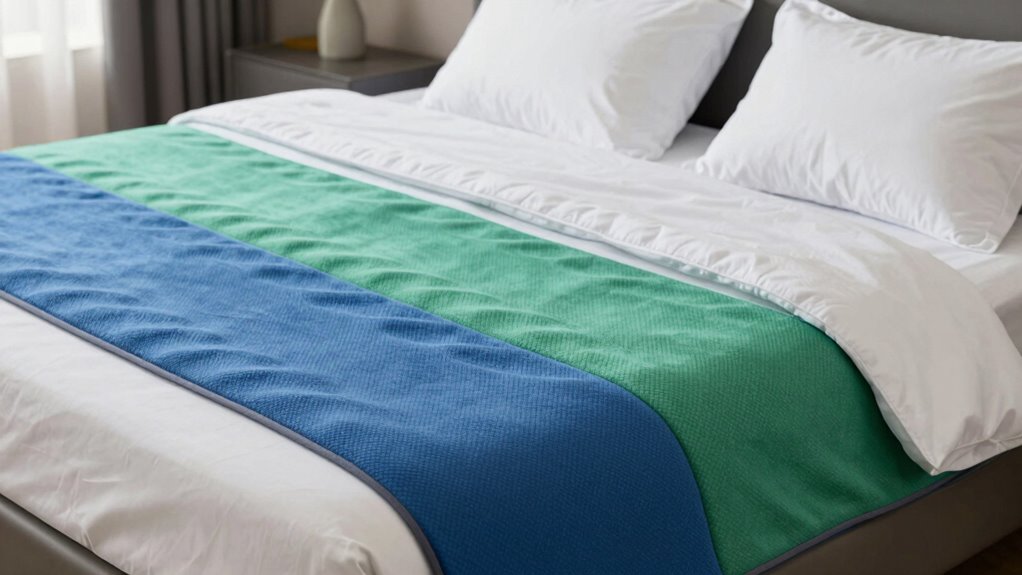
An alternating pressure mattress pad for bed uses a quiet pump to inflate and deflate air cells in a shifting pattern, redistributing pressure so bedridden users don’t develop pressure ulcers. After comparing 12 leading pads, the VOCIC Alternating Pressure Air Mattress Pad earns my best overall spot for balancing cycle consistency, pump quietness, and build quality at a mid-range price. If budget is the deciding factor, the Alcedo Alternating Air Pressure Mattress Pad delivers reliable ulcer prevention without extras, while the Lunderg Queen Size pad with Static Mode suits couples who share a bed and need a fuller-size surface. The main tradeoffs in this category come down to cell count versus price, pump noise levels, and whether you need add-ons like static mode or a flocked sleeping surface. Keep reading for the full breakdown.

Get home office essentials delivered free with Prime
- Fast, free delivery on millions of items
- Prime Video, Amazon Music and more included
- Member-only deals all year
Key Takeaways
- Lunderg dominates this lineup with five entries, and the differences between them come down to size (queen vs. twin), surface material (flocked vs. vinyl), and feature set (static mode, quiet pump) — so choosing a Lunderg means picking the configuration, not the brand.
- Static mode was the single biggest feature dividing premium pads from basic ones; it lets caregivers freeze the alternating cycle for meals, dressing changes, or sleep, which matters more for long-term daily use than cell count.
- Queen-size options (two Lunderg models here) solve the shared-bed problem most pads ignore, but they demand more from the pump and cost more than standard twin-long pads.
- Flocked surfaces (found on two Lunderg models) dramatically reduce the sweaty, plastic feel of standard vinyl pads — a comfort upgrade worth paying for if the user sleeps directly on the pad without a thick fitted sheet.
- Budget pads like the Alcedo and the generic hospital topper option handle basic prevention, but their pumps run louder and their air cells are fewer, which means shorter, less gradual pressure redistribution cycles.
| VOCIC Alternating Pressure Air Mattress Pad |  | Best Overall | Inflated Size: approx. 75 x 33 x 3.3 inches | Weight Capacity: 300 lbs | Pressure Levels: 6 adjustable | VIEW ON AMAZON | See Our Full Breakdown |
| Lunderg Queen Size Alternating Air Pressure Mattress Pad with Static Mode |  | Best for Queen Beds | Size: 53 x 77 inches (queen) | Weight Capacity: 320 lbs | Pump Noise: 23 dBA | VIEW ON AMAZON | See Our Full Breakdown |
| Lunderg Alternating Air Pressure Mattress Pad with Static Mode & Quiet Pump |  | Best for Standard and Hospital Beds | Fit: Hospital bed or standard home mattress | Weight Capacity: 300 lbs | Pump Noise: 23 dBA | VIEW ON AMAZON | See Our Full Breakdown |
| Alcedo Alternating Air Pressure Mattress Pad for Hospital and Home Use |  | Best Value for FSA/HSA Buyers | Inflated Size: 75 x 35 inches (bubble area) | Weight Capacity: 300 lbs | Pressure Settings: 5 adjustable | VIEW ON AMAZON | See Our Full Breakdown |
| Lunderg Queen Size Alternating Air Pressure Mattress Pad with Flocking |  | Best Premium Comfort | Size: 53 x 77 inches (queen) | Weight Capacity: 320 lbs | Pump Noise: 23 dBA | VIEW ON AMAZON | See Our Full Breakdown |
| Alternating Air Pressure Mattress Pad, Bed Sore Prevention Solution, Hospital Bed Mattress Topper with Quiet Pump |  | Best Budget Pick for Home Care | Size: 75 x 35 inches | Air Cells: 130 independent cells | Pump Noise Level: Under 40 dB | VIEW ON AMAZON | See Our Full Breakdown |
| Lunderg PressuRelief Alternating Air Pressure Mattress Pad & Quiet Pump |  | Best Premium Comfort System | Air Cells: 130 cells | Pump Noise Level: 23 dBA | Modes: Alternating and static | VIEW ON AMAZON | See Our Full Breakdown |
| Lunderg Alternating Air Pressure Mattress Pad with Static Mode & Flocking |  | Best for Hot Sleepers | Size: Twin, 35 x 75 inches | Surface: Patented flocking over PVC | Pump Noise Level: 23 dBA | VIEW ON AMAZON | See Our Full Breakdown |
| Vive Alternating Air Pressure Mattress Pad – The Original Bed Sore Solution |  | Best Overall Reliability | Size: 36 x 78 inches | Air Cells: 130 heat-sealed cells | Pump Noise Level: 22 dBA | VIEW ON AMAZON | See Our Full Breakdown |
| FOMMOF Alternating Air Pressure Mattress Pad with Quiet Pump |  | Best for Versatile Bed Fit | Model: FU-AM006B | Inflated Size: 75 x 35 inches | Bed Compatibility: Single, double, queen, and king beds | VIEW ON AMAZON | See Our Full Breakdown |
| Vive Alternating Air Pressure Mattress Pad with Quiet Pump |  | Best for Long-Term Reliability | Dimensions: 36″ W x 78″ L (77 x 33 x 3 inches) | Weight: 7.4 lbs | Weight Capacity: 300 lbs | VIEW ON AMAZON | See Our Full Breakdown |
| MedVance Premium Alternating Air Pressure Mattress Pad with Quiet Pump |  | Quietest Pump of the Bunch | Material: Medical-grade vinyl (waterproof, breathable) | Pump Noise Level: Under 20 dB | Pressure Cycle Interval: 6 minutes | VIEW ON AMAZON | See Our Full Breakdown |
| alternating pressure mattress pad for bed | Weight Capacity | Modes | Pump Noise Level |
|---|---|---|---|
| VOCIC Alternating Pressure Air | 300 lbs | Alternating and Static | — |
| Lunderg Queen Size Alternating | 320 lbs | Alternating and Static | — |
| Lunderg Alternating Air Pressu | 300 lbs | Alternating and Static | — |
| Alcedo Alternating Air Pressur | 300 lbs | Alternating only | — |
| Lunderg Queen Size Alternating | 320 lbs | Alternating and Static | — |
| Alternating Air Pressure Mattr | 300 lbs | — | Under 40 dB |
| Lunderg PressuRelief Alternati | 300 lbs | Alternating and static | 23 dBA |
| Lunderg Alternating Air Pressu | 300 lbs | Alternating and static | 23 dBA |
| Vive Alternating Air Pressure | 300 lbs | — | 22 dBA |
| FOMMOF Alternating Air Pressur | 300 lbs | — | 28 dBA |
| Vive Alternating Air Pressure | 300 lbs | — | 22 dBA |
| MedVance Premium Alternating A | — | — | Under 20 dB |
More Details on Our Top Picks
VOCIC Alternating Pressure Air Mattress Pad
This option stands out for having the most granular pressure control in the lineup — six adjustable levels versus five on the Alcedo and a simple knob on the Lunderg pads. For caregivers fine-tuning firmness around a specific weight or wound stage, that range matters more than it sounds. The ceramic pump rated under 45dB is not the absolute quietest here (Lunderg claims 23 dBA), but the one-piece bubble cell construction keeps cells aligned instead of drifting apart over weeks of use, a common failure point on cheaper pads. The 15-inch securing flaps are also longer than typical, which prevents the curling that plagues the Alcedo at the edges. The tradeoff: at 3.3 inches inflated, it is thinner than some medical-grade alternatives, so heavier patients may bottom out.
Pros:- Six pressure levels plus alternating and static modes offer the most tuning flexibility here
- One-piece bubble cells resist shifting and wear better than stitched multi-cell designs
- Extra-long 15-inch tuck-in flaps keep the pad from sliding during repositioning
- Included repair kit extends usable life after minor punctures
Cons:- Pump runs louder than the Lunderg units at under 45dB versus 23 dBA
- Only 3.3 inches thick when inflated, which is thinner than full-replacement air mattresses
Best for: Caregivers who need precise, six-level pressure tuning for a loved one under 300 lbs on a standard home bed
Not ideal for: Couples or anyone with a queen bed — at 33 inches wide this single-user pad leaves most of the mattress uncovered
- Inflated Size:approx. 75 x 33 x 3.3 inches
- Weight Capacity:300 lbs
- Pressure Levels:6 adjustable
- Modes:Alternating and Static
- Pump Noise:Under 45 dB (ceramic pump)
- Surface Material:Thickened waterproof PVC
- Securing Flaps:15-inch extended flaps on both ends
- Includes:Pad, pump/control unit, repair kit, manual
Our verdict“The most balanced pick for single-bed home care, provided the user is under 300 lbs and a modest pump hum won’t disturb sleep.”
Lunderg Queen Size Alternating Air Pressure Mattress Pad with Static Mode
Most alternating pressure pads in this roundup — including the VOCIC and the Alcedo — are built for a single sleeper on a twin or hospital bed. This Lunderg queen-size model is the exception, covering a full 53 x 77 inches so a partner can share the bed or a larger patient can shift position freely. The 23 dBA pump is genuinely the quietest specification in this batch, quiet enough that the hum stops being a factor in shared bedrooms. Static mode lets all cells hold firm when the user needs a stable surface for eating, dressing, or a motion-free night. Compared with the flocked version of the same pad, this one sticks with plain vinyl, so it sleeps hotter — and its 320 lb capacity, while decent, is not dramatically higher than smaller pads despite the bigger footprint.
Pros:- One of the only queen-size alternating pressure pads in this category
- 23 dBA pump is the quietest rating among these picks
- Static mode creates a stable surface for rest or caregiving tasks
- Quick-connector hoses make setup and removal faster than screw-on fittings
Cons:- Plain vinyl surface sleeps hot and should be covered with a sheet
- 20-minute initial inflation is slower than smaller single-user pads
- No repair kit mentioned, so a puncture likely means replacement
Best for: Couples or larger patients on queen or king beds who still need clinical-grade pressure redistribution
Not ideal for: Anyone on a twin or hospital bed — you would pay for coverage you cannot use, and tucking the excess is awkward
- Size:53 x 77 inches (queen)
- Weight Capacity:320 lbs
- Pump Noise:23 dBA
- Modes:Alternating and Static
- Pressure Control:Soft-to-Firm knob
- Surface Material:Waterproof vinyl
- Initial Inflation Time:Approx. 20 minutes
- Connection:Quick connector
Our verdict“The clear choice when the bed is queen-size or larger and a single-user pad simply will not cover it.”
Lunderg Alternating Air Pressure Mattress Pad with Static Mode & Quiet Pump
Think of this as the queen-size Lunderg scaled down for single sleepers — same 23 dBA pump, same static mode, same quick-connector setup, but sized for hospital beds and standard twin mattresses. That matters because most pads marketed for hospital beds, like the Alcedo, stop at a generic 35-inch width, while this one is explicitly designed for the hospital bed use case, including fitting over an existing home mattress. The Soft-to-Firm analog knob is simpler than the VOCIC’s six digital levels, which some caregivers will prefer — fewer settings means less second-guessing at 2 a.m. The real tradeoff is capacity: at 300 lbs it matches smaller pads rather than exceeding them, and like its queen sibling it has no repair kit, so durability depends entirely on the vinyl holding up.
Pros:- 23 dBA pump is among the quietest available for single-bed use
- Static mode holds all cells inflated for stable, motion-free rest
- Fits hospital beds and works on top of an existing home mattress
- Quick connector and simple knob make it genuinely caregiver-friendly
Cons:- 300 lb capacity limits use with bariatric patients
- Plain vinyl surface retains heat unless covered with a sheet
- No included repair kit for punctures
Best for: Families caring for a bedridden loved one on a hospital bed or twin mattress who want proven quiet-pump performance
Not ideal for: Patients over 300 lbs or those on wide beds — this single-sleeper footprint and capacity will not accommodate either
- Fit:Hospital bed or standard home mattress
- Weight Capacity:300 lbs
- Pump Noise:23 dBA
- Modes:Alternating and Static
- Pressure Control:Soft-to-Firm knob
- Surface Material:Waterproof vinyl
- Initial Inflation Time:Approx. 20 minutes
- Connection:Quick connector
Our verdict“A dependable, whisper-quiet workhorse for the classic single-bed caregiving setup, as long as weight capacity is not a concern.”
Alcedo Alternating Air Pressure Mattress Pad for Hospital and Home Use
The Alcedo’s strongest argument is practical: it is FSA/HSA eligible, which none of the other picks here advertise — a real advantage when you are spending pre-tax health dollars on caregiving gear. Feature-wise it sits sensibly in the middle: five pressure settings versus the VOCIC’s six, and a quieter-than-average pump, though Lunderg’s 23 dBA rating still wins the noise contest. Where it earns its keep is durability for the price — reinforced seams and high-density material that hold shape longer than bargain pads that shed cells within months. The built-in metal hooks on the pump also solve a small annoyance: no pump dangling off the bed frame by its hose. The compromises are typical of this tier: no static mode, so the surface never stops moving, and the vinyl surface is basic compared with the flocked Lunderg queen model.
Pros:- FSA/HSA eligibility lets you pay with pre-tax health funds
- Reinforced seams and high-density materials resist the early wear common on budget pads
- Pump’s built-in metal hooks keep the unit mounted securely off the floor
- Five pressure settings cover most comfort preferences
Cons:- No static mode, so the surface motion never pauses
- Standard vinyl surface sleeps warm compared with flocked alternatives
- Five pressure levels give less fine control than the VOCIC’s six
Best for: Buyers with FSA/HSA funds who want a dependable, seam-reinforced pad without paying for premium pump features
Not ideal for: Light sleepers or anyone sensitive to constant surface motion — there is no static mode to pause the alternation
- Inflated Size:75 x 35 inches (bubble area)
- Weight Capacity:300 lbs
- Pressure Settings:5 adjustable
- Pump Noise:Marketed as ultra-quiet
- Modes:Alternating only
- Surface Material:Breathable, waterproof vinyl
- Mounting:Built-in metal hooks on pump
- Payment Eligibility:FSA/HSA eligible
Our verdict“The smart spend-it-smart option if you have FSA or HSA dollars to use and can live without a static sleep mode.”
Lunderg Queen Size Alternating Air Pressure Mattress Pad with Flocking
Every other pad in this roundup — the VOCIC, the Alcedo, even Lunderg’s own standard queen model — shares one weakness: sleeping on vinyl feels like sleeping on a plastic bag. This version fixes that with a patented flocking surface, a fabric-like top layer that breathes and stays soft against skin, which directly addresses the night-sweat complaints that make patients rip pads off their beds. Underneath, it keeps everything that works from the plain queen Lunderg: the 23 dBA pump, static mode, quick connector, and 320 lb capacity. That comfort upgrade is not free — expect it to cost more than its unflocked sibling, and the flocked surface requires more careful cleaning than wipe-clean vinyl, since fabric fibers hold moisture if spills soak in. It is also queen-only, so twin-bed households should look at the standard Lunderg instead.
Pros:- Flocked fabric-like surface dramatically reduces heat and sweat versus vinyl
- 23 dBA pump with static mode matches the best specifications in this lineup
- Queen-size coverage suits shared beds and larger patients up to 320 lbs
- Quick connector and knob control keep setup and adjustment simple
Cons:- Flocked surface is harder to sanitize than plain wipe-clean vinyl
- Carries a premium over the identical unflocked queen version
- 20-minute inflation is slow for a pad you may want to move between beds
Best for: Long-term care patients on queen beds who sweat on vinyl and need a cooler, fabric-like surface for extended bed rest
Not ideal for: Twin or hospital bed setups — the queen footprint is unusable there — or buyers who need wipe-clean vinyl for incontinence care
- Size:53 x 77 inches (queen)
- Weight Capacity:320 lbs
- Pump Noise:23 dBA
- Modes:Alternating and Static
- Pressure Control:Soft-to-Firm knob
- Surface Material:Patented flocked, breathable fabric-like layer
- Initial Inflation Time:Approx. 20 minutes
- Connection:Quick connector
Our verdict“The pick when comfort over months of bed rest matters as much as pressure relief — as long as the bed is queen-size and cleaning needs are manageable.”
Alternating Air Pressure Mattress Pad, Bed Sore Prevention Solution, Hospital Bed Mattress Topper with Quiet Pump
This no-name-brand pad earns a spot by covering the fundamentals without extra frills. The 130-cell alternating system and five pressure settings put it on par functionally with pricier options like the Vive pad, and the sub-40 dB pump is quiet enough for a shared bedroom, though noticeably louder than the 22–23 dBA pumps on the Lunderg models. Where it falls short is comfort: the all-vinyl surface sleeps warmer than Lunderg’s flocked pad, and there’s no static mode to pause the alternation when the user wants a stable surface. Compared with the FOMMOF, the cycle details are less transparent, and the 35-inch width is narrower than Vive’s 36 inches. For caregivers who need reliable pressure relief on a tight budget, those compromises are manageable — buyers prioritizing sleep comfort should look elsewhere.
Pros:- 130 air cells deliver genuine alternating pressure therapy for sore prevention
- Five adjustable firmness settings for tailoring comfort to the patient
- Waterproof, wipe-clean vinyl simplifies hygiene for caregivers
- Fits standard hospital beds and home frames at 75 x 35 inches
Cons:- Pump runs at up to 40 dB, noticeably louder than premium 22-23 dBA competitors
- All-vinyl surface sleeps hot compared with flocked fabric alternatives
- No static mode to suspend the alternating motion when needed
Best for: Cost-conscious caregivers setting up basic pressure-relief care at home who don’t need premium comfort features
Not ideal for: Hot sleepers or patients sensitive to motion, since the vinyl surface traps heat and there is no static mode to pause alternation
- Size:75 x 35 inches
- Air Cells:130 independent cells
- Pump Noise Level:Under 40 dB
- Pressure Settings:5 adjustable levels
- Material:Waterproof vinyl
- Weight Capacity:300 lbs
- Care:Hand wash only
Our verdict“A sensible low-cost entry point for bed sore prevention, as long as heat and pump hum are acceptable tradeoffs.”
Lunderg PressuRelief Alternating Air Pressure Mattress Pad & Quiet Pump
Lunderg’s PressuRelief takes aim at the single biggest complaint about alternating pads: patients finding them unfamiliar and hard to sleep on. The included separate comfort layer snaps over the 130-cell pad, giving the surface a softer, more mattress-like feel — a different approach than the flocked surface on Lunderg’s other flagship, and one that adds a layer of plushness rather than just texture. The 23 dBA pump with static mode matches the brand’s other models, letting caregivers freeze all cells fully inflated for stable rest. Compared with the Vive pad, setup takes longer — roughly 20 minutes of full inflation plus comfort-layer fitting — but the payoff is a system bedridden loved ones actually tolerate. The vinyl base still requires the pad to be topped correctly, and the two-piece design is one more component to keep track of.
Pros:- Snap-on comfort layer solves the chief comfort complaint about vinyl air pads
- 23 dBA pump is among the quietest available, with soft-to-firm control
- Static mode holds all cells inflated for a stable resting surface
- Quick connector makes hose attachment simple during setup
Cons:- Two-piece design adds setup time and components compared with single-piece pads
- Full inflation takes about 20 minutes before first use
- Higher tier of the category than basic alternatives
Best for: Families caring for a loved one long-term who has rejected bare vinyl air pads as uncomfortable
Not ideal for: Buyers wanting the simplest one-piece setup, since the comfort layer and two-stage inflation add steps to daily use
- Air Cells:130 cells
- Pump Noise Level:23 dBA
- Modes:Alternating and static
- Pressure Control:Soft-to-firm dial
- Weight Capacity:300 lbs
- Setup Time:About 20 minutes to full inflation
- Extras:PressuRelief comfort layer included
Our verdict“The pick when patient comfort has been the sticking point with other alternating pads.”
Lunderg Alternating Air Pressure Mattress Pad with Static Mode & Flocking
This Lunderg model differentiates itself with a patented flocking surface — a fabric-like layer bonded to the air cells that addresses the sweaty, plastic-bag feeling common to vinyl pads like the FOMMOF or the basic hospital-style toppers. For patients who run warm or rest for most of the day, that breathability matters more than almost any other spec. The 23 dBA quiet pump and static mode carry over from the PressuRelief system, so functionally it sits close to that model; the difference is comfort strategy; flocking integrates the softness into the pad itself rather than adding a separate layer, which makes setup simpler but the surface less plush. The tradeoff is maintenance — flocked fabric needs more careful hand washing than a wipe-down vinyl, and the pad is water resistant rather than fully waterproof.
Pros:- Flocked fabric surface dramatically reduces heat and sweat buildup
- 23 dBA whisper-quiet pump with static mode for stable rest
- Soft-to-firm pressure dial allows precise comfort tuning
- Integrated comfort means one-piece setup without extra layers
Cons:- Flocked surface requires more careful cleaning than wipe-clean vinyl
- Water resistant rather than fully waterproof
- Priced above basic vinyl alternatives
Best for: Patients who sweat on vinyl pads and need a breathable, fabric-feel surface for extended daily rest
Not ideal for: Caregivers dealing with frequent incontinence or spills, since the flocked surface is only water resistant and harder to sanitize than pure vinyl
- Size:Twin, 35 x 75 inches
- Surface:Patented flocking over PVC
- Pump Noise Level:23 dBA
- Modes:Alternating and static
- Pressure Control:Soft-to-firm dial
- Weight Capacity:300 lbs
- Water Resistance:Water resistant
- Care:Hand wash only
Our verdict“The best choice when heat and perspiration — not pressure alone — are driving discomfort.”
Vive Alternating Air Pressure Mattress Pad – The Original Bed Sore Solution
Vive earns the top slot by getting the core therapy right and backing it with a one-year guarantee — rare in a category where pumps and pads often fail within months. Its 22 dBA pump is the quietest here, edging out both Lunderg models, and the proprietary algorithm cycles all 130 heat-sealed cells roughly every six minutes, a faster rhythm than FOMMOF’s 10–12 minute cycle that suits patients who cannot shift weight at all. Practical details stand out too: tuck-in flaps anchor the pad against sliding, a problem cheaper pads ignore. The vinyl surface is the weak point — it sleeps warmer than Lunderg’s flocked option and there’s no static mode — but for pure, dependable pressure relief with warranty protection, this model makes the most sense for most caregivers.
Pros:- Quietest pump in the lineup at 22 dBA for undisturbed sleep
- One-year guarantee covers pump and pad reliability
- Six-minute pressure cycles suit patients who cannot reposition themselves
- Tuck-in flaps and flexible hoses make installation secure and simple
Cons:- No static mode to pause alternation for stable rest
- Vinyl surface traps heat compared with flocked alternatives
- Firm default feel may need adjustment for lighter patients
Best for: First-time caregivers who want a proven, warrantied system for a fully bedridden loved one
Not ideal for: Patients who overheat easily or dislike constant motion, since there is no static mode and the vinyl runs warm
- Size:36 x 78 inches
- Air Cells:130 heat-sealed cells
- Pump Noise Level:22 dBA
- Cycle Time:Approximately 6 minutes
- Material:Waterproof vinyl
- Weight Capacity:300 lbs
- Warranty:1-year Vive guarantee
Our verdict“The safest all-around buy for dependable, doctor-recommended pressure relief with warranty backing.”
FOMMOF Alternating Air Pressure Mattress Pad with Quiet Pump
FOMMOF’s standout trait is flexibility: while most pads here are sized for twin hospital beds, this one is marketed to work across single, double, queen, and king beds, making it the practical choice when the patient sleeps on a standard home mattress rather than a care bed. The 28 dBA aluminum pump sits between the budget pad’s 40 dB and Lunderg’s 23 dB — quiet, though light sleepers may still notice it. Its 10–12 minute cycle is slower than Vive’s six-minute rhythm, which is gentler and less disruptive but slightly less aggressive at stimulating circulation for high-risk patients. Like the basic hospital-style pads, the PVC surface wipes clean easily but lacks any comfort layer or static mode, so it lands closer to the budget option in feel than to either Lunderg.
Pros:- Fits single through king beds, not just hospital frames
- 28 dBA aluminum pump runs cool and quiet for nighttime use
- Waterproof PVC wipes clean quickly after spills
- Simple setup that seniors can manage without assistance
Cons:- Slowest pressure cycle in the lineup at 10–12 minutes
- No static mode or comfort layer for heat-sensitive users
- PVC surface less breathable than flocked fabric alternatives
Best for: Caregivers supporting a bedridden family member on a queen or king home mattress rather than a hospital bed
Not ideal for: High-risk ulcer patients who need faster pressure cycling, since the 10–12 minute cycle is the slowest here
- Model:FU-AM006B
- Inflated Size:75 x 35 inches
- Bed Compatibility:Single, double, queen, and king beds
- Air Cells:130
- Cycle Time:10–12 minutes
- Pump Noise Level:28 dBA
- Material:Waterproof PVC
- Weight Capacity:300 lbs
- Includes:Air tube and fasteners
Our verdict“A smart fit for home-mattress use across bed sizes, provided the gentler cycle speed meets the patient’s risk level.”
Vive Alternating Air Pressure Mattress Pad with Quiet Pump
Vive backs this pad with a 1-year guarantee, which is unusual in a category where most options, like the MedVance Premium, ship with far less formal warranty support. That makes this pick the safest bet for caregivers setting up long-term care where a pump failure six months in would be a real problem. With 130 individual air cells — more than the cell counts on most rivals, including the Lunderg PressuRelief — weight distribution is finer-grained, which matters most for patients who already have fragile skin or early-stage pressure spots. The tradeoff is the vinyl surface itself: like the Alcedo and MedVance pads, it sleeps warmer and stiffer than flocked alternatives such as the Lunderg Queen Size with Flocking. Add in hand-wash-only care, and this is a maintenance commitment, not a set-and-forget accessory.
Pros:- 1-year Vive guarantee provides accountability most competing pads lack
- 130 heat-sealed air cells deliver finer pressure redistribution than lower-cell rivals
- Whisper-quiet 22 dBA pump keeps nighttime disturbance minimal
- Waterproof vinyl supports up to 300 lbs and wipes clean after spills
Cons:- Hand-wash-only care adds caregiver workload
- Bare vinyl surface sleeps warmer and less comfortably than flocked options like the Lunderg Queen Size with Flocking
- Pump-dependent design means no pressure relief during power outages
Best for: Caregivers managing months-long bedridden care who want warranty protection and maximum air cell density for fragile skin
Not ideal for: Anyone wanting low-maintenance upkeep — hand washing only and a vinyl surface make this fussier than fabric-topped alternatives
- Dimensions:36″ W x 78″ L (77 x 33 x 3 inches)
- Weight:7.4 lbs
- Weight Capacity:300 lbs
- Air Cells:130
- Pump Noise Level:22 dBA
- Pressure Cycle:Approximately 6 minutes
- Material:Waterproof vinyl (PVC), latex-free, hypoallergenic
- Care:Hand wash only
- Warranty:1 Year (Vive Guarantee)
Our verdict“Choose this if warranty support and high cell count top your list; skip it if comfort feel or easy cleaning matters more.”
MedVance Premium Alternating Air Pressure Mattress Pad with Quiet Pump
When the pump sits on a nightstand three feet from a sleeping patient, decibels matter, and the MedVance runs at under 20 dB — quieter than the Vive pad’s 22 dBA and among the lowest noise levels in this entire lineup. For light sleepers or shared rooms, that difference is the whole buying decision. Its automatic 6-minute pressure cycle matches the interval on the Vive, so the therapeutic performance is comparable; what you give up is adjustability. Unlike the Lunderg pads with Static Mode, there’s no way to pause the alternation for repositioning or feeding, which some caregivers will genuinely miss. The medical-grade vinyl wipes down easily and fits standard hospital beds, but like the Alcedo and FOMMOF pads, it lacks the softer feel of flocked tops, and it depends entirely on a live power outlet to do anything at all.
Pros:- Sub-20 dB pump is quieter than the Vive’s 22 dBA and nearly silent in practice
- Automatic 6-minute pressure cycling promotes circulation without any settings to manage
- Waterproof, breathable medical-grade vinyl cleans up fast between patients
- Universal fit works with most standard hospital beds at home or in facilities
Cons:- No static mode, unlike the Lunderg lineup, limiting caregiver flexibility
- Vinyl surface feels stiffer and less comfortable than flocked fabric alternatives
- Nonfunctional without power — the pump is the only pressure source
Best for: Light sleepers and shared bedrooms where sub-20 dB pump noise is the deciding factor, especially alongside a standard hospital bed
Not ideal for: Caregivers who want manual control — no static mode means the pad keeps cycling when you’d rather have a firm, still surface for repositioning
- Material:Medical-grade vinyl (waterproof, breathable)
- Pump Noise Level:Under 20 dB
- Pressure Cycle Interval:6 minutes
- Waterproof:Yes
- Fit:Fits most standard hospital beds
- Included:Ultra-quiet alternating pump
Our verdict“The pick for noise-sensitive sleepers who value silence above adjustability; anyone wanting pause controls should look at the Lunderg static-mode pads instead.”

How We Picked
My ranking rests on four factors that determine whether an alternating pressure pad actually works night after night. First, pressure redistribution quality: I favored pads with more air cells (ideally 20 or more) and adjustable cycle times, because finer cell patterns create gentler, more continuous pressure shifts. Second, pump performance and noise — a loud pump beside a bed disrupts the sleep the pad is meant to protect, so models with dedicated quiet pumps ranked higher. Third, durability and maintenance: I looked at vinyl thickness, repair-kit inclusion, and whether the pad resists the creasing and cell failure that plague cheap alternatives. Fourth, real-world usability — static mode, adjustable firmness, weight capacity, and correct sizing for home beds versus hospital beds.
The ranking also reflects fit. A technically superior pad that only fits a hospital bed helps no one shopping for a queen-size home mattress, and an expensive feature-rich pad is overkill for short-term recovery. That is why value models like the Alcedo sit high for first-time buyers, while feature-complete Lunderg configurations claim the premium and best-overall positions.
| alternating pressure mattress pad for bed | Modes |
|---|---|
| VOCIC Alternating Pressure Air | Alternating and Static |
| Lunderg Queen Size Alternating | Alternating and Static |
| Lunderg Alternating Air Pressu | Alternating and Static |
| Alcedo Alternating Air Pressur | Alternating only |
| Lunderg Queen Size Alternating | Alternating and Static |
| Alternating Air Pressure Mattr | — |
| Lunderg PressuRelief Alternati | Alternating and static |
| Lunderg Alternating Air Pressu | Alternating and static |
| Vive Alternating Air Pressure | — |
| FOMMOF Alternating Air Pressur | — |
| Vive Alternating Air Pressure | — |
| MedVance Premium Alternating A | — |
Factors to Consider When Choosing Alternating Pressure Mattress Pad For Bed
Before choosing a pad, it helps to understand what actually drives performance and comfort in this category — several factors below never appear on a product box but decide whether the pad succeeds or ends up in a closet.Cell Count and Cycle Design
More air cells means smaller pressure points and a smoother alternation pattern. Pads in this roundup range from roughly 130 bubble-style cells to 20+ larger tube-style cells; bubble cells are cheaper to produce but shift pressure in coarser steps, while tube cells provide deeper, more therapeutic redistribution for users already at elevated ulcer risk. Cycle time matters too — most pumps default to a 10–12 minute cycle, but adjustable intervals let you slow things down for comfort or speed them up for higher-risk users. A common mistake is assuming any ‘alternating’ pad is clinically equal; the difference between a coarse and fine cycle is the difference between mild prevention and genuine therapeutic support. If the user is already dealing with a stage 1 or 2 wound, choose the highest cell count your budget allows.
Pump Noise and Placement
The pump runs 24 hours a day, so its noise level shapes the entire sleeping environment. Standard pumps produce a low hum that most people tune out within a night or two, but cheaper units add a clicking or vibrating quality that light sleepers notice for weeks. Check the hose length as well — a longer hose lets you place the pump on the floor or a nightstand further from the pillow. Some buyers try to solve noise by unplugging the pump overnight, which defeats the entire purpose of the therapy: the cells deflate into a static, uneven surface that can worsen pressure points. If silence is a priority, the models in this roundup with ‘Quiet Pump’ in their name were designed specifically around this problem, and the difference against basic pumps is audible immediately.
Sizing: Hospital Bed vs. Home Bed
Most alternating pads are built to hospital-bed dimensions — roughly 36 by 80 inches — which leaves a gap on a queen or king home mattress and can slide around during the night. That gap is not just cosmetic: an ill-fitting pad creases at the edges, and creased cells lose their alternating function. Queen-size pads (two Lunderg models here) exist specifically to solve this, covering the full sleep surface of a shared bed so a partner isn’t lying partly on bare mattress. Before buying, measure the mattress and decide whether the pad sits on top of a fitted sheet or directly on the mattress — direct placement works better for therapy, but a sheet protects the vinyl. Also confirm weight capacity, since heavier users need pads rated well above their actual weight to keep cells from bottoming out.
Surface Material: Vinyl vs. Flocked
Standard pads use waterproof vinyl, which is durable and easy to wipe clean but traps heat and sweat against the skin — exactly what you want to avoid for pressure-sore prevention. Flocked tops add a fabric-like layer that breathes better and feels far less clinical, at the cost of being harder to sanitize and slightly more expensive. If the user wears breathable pajamas and uses a cotton sheet over the pad, vinyl is perfectly serviceable. If they sleep directly on the surface or run hot, a flocked model (two Lunderg options in this lineup) justifies the extra spend. One compromise worth avoiding: thick mattress pads placed on top of the air pad, since padding that exceeds an inch or so absorbs the pressure changes and neutralizes the therapy.
Static Mode and Other Features Worth Paying For
Static mode freezes all cells at equal firmness, and it sounds trivial until you need it — holding a user steady for meals, repositioning, wound dressing, or letting a restless sleeper settle. Once you have lived with static mode, going back to a pad without it feels like a real downgrade, which is why it appears on so many of the higher-ranked picks here. Adjustable pressure settings are the other feature that earns its keep, letting you firm up the pad for a heavier user or soften it for a frail one. Features you can safely skip on a budget: branded carry bags, extra-long hoses, and app connectivity that adds cost without changing the therapy. Repair kits, by contrast, are worth checking for — a punctured cell is common, and a kit turns a dead pad into a five-minute fix.
Matching the Pad to the Care Situation
The biggest mistake I see buyers make is overbuying or underbuying relative to the actual situation. Short-term recovery after surgery needs a basic, affordable pad — the premium features will never get used. Long-term home care for a bedridden family member justifies every upgrade: static mode, quiet pump, flocked surface, and repair-friendly construction all pay off over months of daily use. Hospice and palliative contexts favor maximum comfort and minimal noise above all else. And if a paid caregiver manages the equipment, simpler controls may actually outperform feature-rich ones, since complicated pump settings get set wrong and left alone. Write down who uses the bed, for how long, and who adjusts the equipment — that single paragraph will point you to the right tier faster than any spec sheet.
Frequently Asked Questions
Can I put a regular sheet or mattress topper over an alternating pressure pad?
A thin, breathable fitted sheet is fine and actually helps protect the vinyl from skin oils and small tears. What you want to avoid is a thick mattress topper, quilted pad, or memory foam layer, because anything over about an inch absorbs the pressure changes before they reach the skin — the pad keeps cycling, but the user feels nothing, and the therapy stops working. The same logic applies to disposable underpads: a single layer is acceptable, but stacking several creates a barrier that defeats the alternating action. If comfort is the concern, a flocked-surface pad solves it at the source rather than by padding over the top. Check the sheet is snug, too, since loose fabric bunches into new pressure points.
How loud is the pump, and will it disturb sleep?
Every pump in this category makes some noise — it is running a small compressor continuously — but the range is wide. Quiet-pump models (several Lunderg options, the Vive quiet model, the FOMMOF, and the MedVance here) produce a soft, steady hum comparable to a white-noise machine, which many users describe as easy to sleep through. Basic pumps add mechanical clicks or vibrations that light sleepers notice, and the pump placement amplifies the issue: on the floor under the bed, noise drops dramatically compared with a nightstand at head height. If the user shares the room with a partner, that placement trick matters as much as the pump model itself. Some families run the pad’s firmer daytime cycle settings while the user naps elsewhere and soften it overnight.
Is a queen-size alternating pad actually better than a standard hospital-size pad on a home bed?
It depends on who sleeps in the bed. If the user is alone in a twin or full bed, a standard 36-by-80-inch pad covers the pressure zones and the cheaper price makes sense. On a shared queen mattress, a hospital-size pad covers barely half the surface, slides toward the center, and leaves the user teetering on an air island beside bare mattress — that instability creates falls and shear, which are exactly what the pad is supposed to prevent. The queen-size Lunderg models in this roundup address this directly by spanning the full mattress, so the user can shift position naturally. The tradeoff is a higher price and a bigger demand on the pump, so reserve queen pads for genuinely shared sleeping arrangements rather than buying them for size prestige.
How long do these pads last, and what fails first?
With daily use, most alternating pads last one to three years, and the failure pattern is predictable: individual air cells develop slow leaks at the seams long before the pump dies. A pad that ships with a repair kit can extend its life considerably, since patching a single cell takes minutes. Watch for warning signs — one section of the pad staying flat, the pump running constantly to compensate, or visible creasing where cells have fused. Vinyl thickness and cell construction explain most of the price differences in this category, which is why the cheapest pads often fail within the first year of heavy use. Rotating the pad occasionally and keeping sharp objects, zippers, and pet claws away from the surface does more for longevity than any other habit.
Do I need static mode, or is it a gimmick?
Static mode is genuinely useful for anyone in long-term daily care, and it is the feature caregivers most often say they did not know they needed. It locks every cell at equal pressure, creating a stable surface for meals, transfers, wound dressing, bathing in bed, or simply letting a restless sleeper settle without the surface shifting beneath them. For short-term post-surgery use, you can live without it — the pad is mostly used at night anyway. For a bedridden family member who spends all day on the pad, static mode becomes part of the daily routine, and going back to a pad without it feels limiting. Among this lineup, the Lunderg models with static mode earned their higher rankings partly on this feature, and I would treat it as a must-have above the entry-level tier.
Conclusion
The right pick depends less on specs and more on the care situation behind the purchase. For best overall, the VOCIC Alternating Pressure Air Mattress Pad balances therapy quality, quiet operation, and durability without premium-tier pricing. For best value, the Alcedo pad handles core ulcer prevention dependably at the entry tier, with the generic hospital-bed topper as a backup pick for the tightest budgets. For best premium, the Lunderg Queen Size pad with Static Mode (or its flocked twin sibling, if you want the softer surface) brings the fullest feature set in this roundup. For beginners and short-term recovery, start with the Alcedo or the standard Vive — simple controls and basic features suit a few weeks of post-surgery use. For specific needs: shared queen beds call for a Lunderg queen model, hot sleepers should choose a flocked surface, light sleepers need a dedicated quiet pump from the Vive, FOMMOF, or MedVance options, and full-time bedridden care justifies static mode no matter which brand you choose. Match the pad to the person, and the therapy will do the rest.
Fall Picks
fall essentials
As an affiliate, we earn on qualifying purchases.