You should keep your tax returns and supporting documents for at least three years to protect yourself during audits, as most IRS inquiries are resolved within this period. If you’ve claimed large deductions or have significant claims, it’s best to hold onto records for up to seven years. Organize your documents so you can protect, access, or destroy them efficiently when the time comes. Continue on to discover how to manage your records effectively.
Key Takeaways
- Keep tax returns and supporting documents for at least 3 years, longer if significant deductions or errors are involved.
- Retain records that verify income, deductions, and credits to support claims during audits.
- Destroy supporting documents after 3 years if no issues are pending, but keep them up to 7 years for complex claims.
- Organize records properly to facilitate easy access and ensure readiness for audits or future reference.
- Review the statute of limitations before destroying records to avoid losing important documentation.

Knowing how long to keep your tax returns is essential for financial safety and peace of mind. It helps you stay prepared for any issues that may arise, whether it’s a question about your past filings or an IRS audit trigger. Generally, you should keep your tax returns and supporting documents for at least three years from the date you filed, but in some cases, it’s wise to hold onto them longer. The IRS recommends keeping records for three years to support your claims if you’re ever audited, especially since most tax refund procedures are completed within this period. However, if you suspect you made significant errors, or if you’ve filed a claim for a loss from bad debt or worthless securities, holding onto documents for up to seven years can be a smarter move.
When it comes to tax refund procedures, keeping your records is crucial. If you’re expecting a refund or have received one, retaining proof like W-2s, 1099s, and receipts helps verify your claims if questions come up later. These documents serve as evidence to support your tax return and prevent delays if the IRS challenges your deductions or credits. It’s also important to keep copies of your filed returns, not just the supporting documents, because they provide an easy reference point for future filings or if you need to amend a return. Being aware of record-keeping practices can help you better organize and safeguard your documents. Additionally, understanding the benefits of consistent documentation can help you maintain accurate records over time.
You should also be aware of IRS audit triggers, which are specific red flags that could prompt the IRS to scrutinize your return more closely. For example, large deductions, high income, or significant changes from previous years can raise suspicion. Holding onto detailed records helps you respond confidently to any audit inquiries, providing documentation that backs up your reported figures. If you’re ever audited, having your tax refund procedures in order by maintaining organized, complete records can save you time, stress, and money. Additionally, understanding regional differences in record-keeping practices, such as those found in the Northeast or Washington D.C., can help tailor your document retention strategy to your specific location.
On the other hand, once the statute of limitations expires—usually three years from the filing date—you can safely destroy most supporting documents. But if you’ve filed for a big deduction or claim, or if there’s a chance you might need to revisit your records, consider keeping them for up to seven years. This way, you’re protected against any future issues or IRS inquiries. Staying organized, knowing what to keep, and understanding when to destroy records can help you manage your financial documents efficiently, ensuring your peace of mind and legal safety.

Bankers Box 12 Pack Standard Duty File Storage Boxes, Standard Assembly, Removable Lid, Letter/Legal (0071301)
Reliable Storage for Everyday Use: These cardboard file boxes with lids are perfect for everyday storage – ideal…
As an affiliate, we earn on qualifying purchases.
As an affiliate, we earn on qualifying purchases.
Frequently Asked Questions
Should I Keep Digital Copies of My Tax Returns?
Yes, you should keep digital copies of your tax returns. Using digital storage is convenient, but guarantee you prioritize cloud security to protect sensitive information. Opt for reputable cloud services with strong encryption and access controls. Regularly back up your files, and consider encrypting your copies for added security. Keeping digital copies makes it easy to access and organize your tax records while maintaining safety through proper cloud security measures.
How Do I Securely Destroy Old Tax Documents?
Like a knight guarding his secrets, you should securely destroy old tax documents with document shredding. Use a cross-cut shredder to guarantee details are unreadable, preventing identity theft. For digital security, delete scanned copies securely using data wiping software. Avoid just tossing papers in the trash to protect your information. This way, your sensitive data stays safe, and you prevent potential misuse or fraud.
Does the Statute of Limitations Vary by State?
Yes, the statute of limitations varies by state due to differences in state laws and filing deadlines. You need to be aware that some states have shorter or longer periods for auditing or amending returns. These state differences can impact how long you should keep your tax documents. Always check your state’s specific rules, especially if you’re nearing the end of the filing deadline or if you suspect an issue with your return.
What Records Should I Keep if I’M Self-Employed?
If you’re self-employed, you should keep detailed records of all income and expenses, including receipts, invoices, and bank statements. Proper record storage and document organization help you quickly access important data during tax season or audits. Hold onto records like tax returns, financial statements, and asset documentation for at least seven years. Regularly review and securely destroy outdated files to protect your information and maintain an organized filing system.
Are There Special Rules for Amending Past Tax Returns?
Yes, there are special rules for amending past tax returns. You need to follow the amendment procedures, which involve filing Form 1040X within the applicable filing deadlines, generally within three years from the original filing date or two years from the date you paid the tax. Make sure to accurately update your information, attach necessary documents, and submit your amended return promptly to avoid penalties or delays.

ThinkTex Accordion File Organizer, 12 – Pocket Expanding File Folders for Paper Receipts, Bills & Taxes Organizer, Letter/A4 Size Document Holder for School, Office, Home with Colorful tabs- Black
MONTHLY BILLS ORGANIZER – ThinkTex portable accordion file organizer, top and bottom both expandable, 12 pockets and multi-colored…
As an affiliate, we earn on qualifying purchases.
As an affiliate, we earn on qualifying purchases.
Conclusion
Think of your tax records as a sturdy tree, each year adding a new ring of growth. Keep the important branches—your returns and supporting documents—long enough to weather any storms of audit or questions. When the time comes, prune away the old, unneeded paperwork, clearing space for new growth. By tending to your financial orchard wisely, you guarantee it remains healthy, vibrant, and ready to flourish for years to come.
IRS audit support documentation
As an affiliate, we earn on qualifying purchases.
As an affiliate, we earn on qualifying purchases.
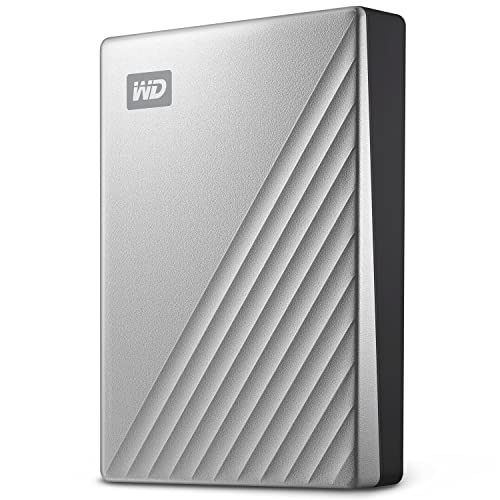
WD 2TB My Passport Ultra for Mac Silver, Portable Hard Drive, includes backup software with defense against ransomware, and password protection, USB-C and USB 3.1 compatible – WDBKYJ0020BSL-WESN
USB-C and USB 3.1 compatible.Specific uses: Business, personal
As an affiliate, we earn on qualifying purchases.
As an affiliate, we earn on qualifying purchases.