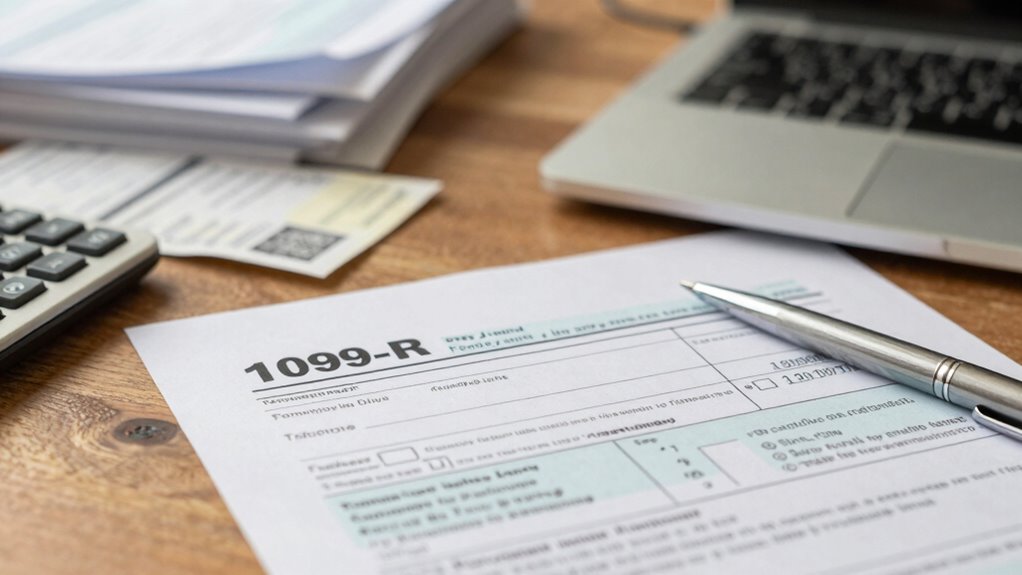

If you don’t properly report an IRA rollover on your Form 1099-R, you risk paying unnecessary taxes and penalties. Failing to complete the rollover within 60 days or misinterpreting the form can lead the IRS to tax the distribution as income. Not documenting the rollover correctly can also trigger costly audits. Staying compliant is essential. Keep learning to avoid these expensive mistakes and protect your retirement savings.

Get home office essentials delivered free with Prime
- Fast, free delivery on millions of items
- Prime Video, Amazon Music and more included
- Member-only deals all year
Key Takeaways
- Failing to complete a rollover within 60 days results in taxable income and potential penalties.
- Not properly reporting the rollover on your tax return can trigger IRS audits or penalties.
- Mistakenly treating a rollover as a regular distribution may lead to unnecessary taxes and penalties.
- Ignoring the details on Form 1099-R can cause incorrect tax filings and missed opportunities for tax deferral.
- Missing deadlines or misreporting rollover amounts can significantly reduce retirement savings over time.
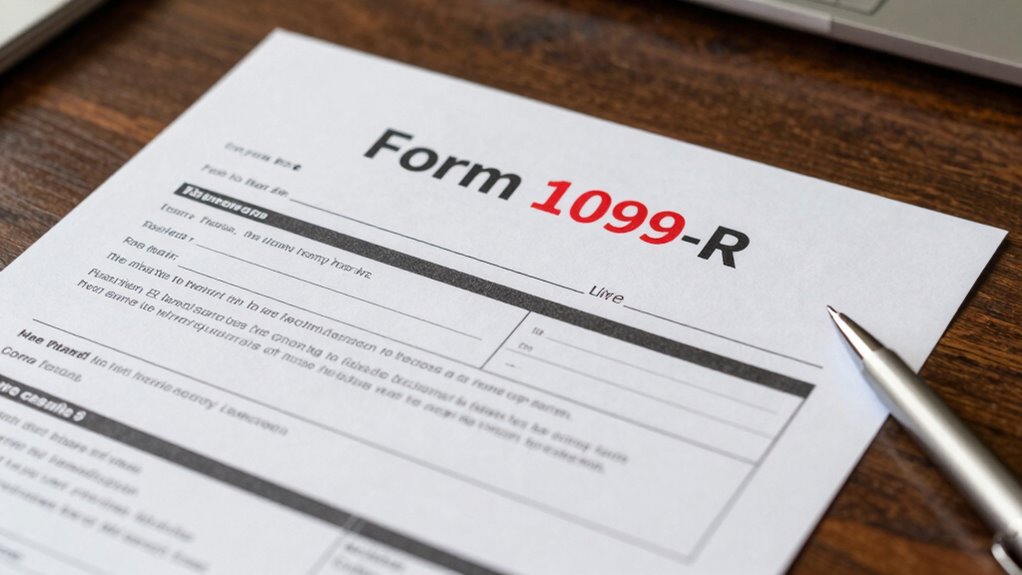
Are you aware of how a Form 1099-R reports your retirement account rollovers? Understanding this form is essential because it directly impacts your taxes and your overall retirement planning. When you move funds from one retirement account to another, the IRS considers it a rollover, which can be a tax-advantaged move if done correctly. However, mishandling the reporting can lead to unexpected tax consequences that could be costly. The IRS receives a copy of your Form 1099-R, which details distributions from your retirement accounts, and if the rollover isn’t properly documented or if you don’t follow the rules, you might face penalties or income tax on the amount.
Understanding Form 1099-R is crucial for proper retirement account rollovers and avoiding unexpected tax penalties.
One common mistake people make involves not executing a rollover within the designated time frame. Typically, you have 60 days from the date you receive the distribution to deposit the funds into a new retirement account. If you miss this deadline, the IRS treats the distribution as a taxable event, which means you’ll owe income tax on that amount. Additionally, if you’re under age 59½, you might also face a 10% early withdrawal penalty. These penalties can substantially impact your retirement planning because they reduce the amount you ultimately save and grow for your future. Properly tracking these transactions and understanding the timing requirements are vital steps in avoiding unnecessary tax liabilities. Recognizing the importance of retirement account rules can help you stay compliant and avoid costly errors. Being aware of contribution limits and other regulations further ensures you’re making the most of your retirement savings opportunities. Staying informed about IRS regulations related to rollovers can also help prevent inadvertent mistakes that may lead to penalties. Additionally, understanding the role of tax laws in retirement transactions can provide a clearer picture of your options and obligations.
Another mistake is failing to report the rollover correctly on your tax return. The IRS uses the information on Form 1099-R to verify whether you’ve properly completed the rollover. If you don’t report it correctly or forget to include the rollover on your tax return, the IRS might interpret the entire distribution as taxable income, leading to an unexpected tax bill. This oversight can also trigger audits or inquiries, complicating your retirement planning efforts and potentially delaying your financial goals. Properly handling your Form 1099-R isn’t just about avoiding penalties—it’s about maximizing your retirement savings. When you understand the tax implications of rollovers and ensure they’re reported accurately, you keep more of your money working for your future. It’s wise to consult with a financial advisor or tax professional if you’re unsure about the process. They can help you navigate the complexities of the form and ensure your rollover is executed smoothly, safeguarding your retirement planning efforts. In the end, paying close attention to how you handle your Form 1099-R can prevent costly mistakes and set you on a more secure financial path.
As an affiliate, we earn on qualifying purchases.
Frequently Asked Questions
Can I Roll Over a Roth IRA Using Form 1099-R?
Yes, you can roll over a Roth IRA using Form 1099-R, but you must follow the Roth IRA rollover rules carefully. When you do a rollover, the IRS requires proper documentation, and you need to guarantee the funds transfer directly between accounts to avoid taxes or penalties. Make sure you understand the rollover rules to prevent costly mistakes, especially with Roth IRAs, which have specific tax implications.
How Do I Correct a Mistake on My 1099-R?
You can correct a mistake on your 1099-R by contacting the issuer and requesting a corrected form, guaranteeing documentation accuracy. This helps prevent tax implications that could arise from errors. Always verify that the corrected form reflects accurate rollover amounts and distributions. Keep records of your communication, and if needed, consult a tax professional to guarantee your filings stay accurate and avoid potential penalties or confusion during tax season.
Are There Penalties for Early Rollovers Reported Incorrectly?
If you report an early rollover incorrectly, you could face penalties and tax implications. For example, if you mistakenly report a withdrawal as a rollover, you might owe income tax plus a 10% early withdrawal penalty. However, there are penalty exceptions, such as disability or a qualified domestic relations order. To avoid costly mistakes, make sure you follow IRS rules carefully and consult a tax professional for guidance.
Does the 1099-R Include Information on State Taxes?
Yes, the 1099-R can include information on state taxes, depending on your state’s reporting requirements. It reports the distribution amount, possible withholding, and whether the distribution is taxable at the state level. You should review your form carefully to understand your state tax obligations. Keep in mind that some states may require additional documentation for rollovers, so it’s essential to check your state’s specific reporting requirements to avoid surprises during tax season.
What Are the Deadlines for Reporting Rollover Transactions?
Think of your rollover as a relay race, where timing matters. You need to report the transaction by the tax deadline, typically April 15th, to avoid penalties. Missing this deadline can complicate your tax situation and impact your retirement planning. Accurate reporting guarantees you handle tax implications smoothly, keeping your financial goals on track. Stay vigilant and file on time to prevent costly mistakes and maintain your retirement momentum.
As an affiliate, we earn on qualifying purchases.
Conclusion
Don’t let a simple mistake on your Form 1099-R turn into a costly error. Double-check your rollover details and make sure they’re reported correctly to avoid unnecessary penalties or delays. It might seem like a small detail, but accuracy saves you money and hassle in the long run. If you’re worried about handling it alone, consider consulting a tax professional—it’s worth the peace of mind to get it right the first time.
As an affiliate, we earn on qualifying purchases.
IRS audit protection for retirement accounts
As an affiliate, we earn on qualifying purchases.
As an affiliate, we earn on qualifying purchases.
Fall Picks
fall essentials
As an affiliate, we earn on qualifying purchases.