

Women face unique retirement challenges such as lower lifetime earnings, longer lifespans, and limited access to employer-sponsored plans, which can make building sufficient savings tough. Caregiving duties and employment interruptions further hinder your ability to save consistently. To improve your retirement outlook, it’s essential to focus on expanding access to savings options, boosting financial literacy, and planning early. Keep exploring strategies to secure your financial future and overcome these obstacles.
Key Takeaways
- Women face lower lifetime earnings and savings due to wage gaps and employment interruptions, impacting retirement preparedness.
- Longer life expectancy requires women to save more and plan carefully to avoid outliving retirement funds.
- Limited access to employer-sponsored retirement plans, especially for part-time or short-tenure workers, hinders wealth accumulation.
- Enhancing financial literacy and promoting early, consistent saving strategies can improve women’s retirement security.
- Policy reforms expanding retirement plan access and addressing caregiving work barriers can help close the retirement savings gap.

Are you aware that women face unique challenges when it comes to securing a comfortable retirement? Despite making up a significant portion of the workforce, women often have less wealth than men—reporting about 77 cents in wealth for every dollar men hold among those over 50. The median wealth for women in this age group is roughly $165,691, compared to $213,948 for men. These disparities stem from multiple factors, including lower lifetime earnings and caregiving responsibilities that interrupt employment and reduce retirement savings opportunities. Many women also find retirement savings decisions confusing and complicated, which can lead to delayed or insufficient saving. Compounding these issues, women tend to live longer than men, meaning their retirement savings must stretch over a longer period, increasing the risk of outliving their resources. Longer life expectancy amplifies the importance of strategic retirement planning and adequate savings. Access to employer-sponsored retirement plans remains a considerable hurdle. Over 40% of working women don’t have access to these plans, with 37% working at companies that don’t offer any retirement options to employees. Part-time workers or those with limited tenure—often due to caregiving duties—are frequently ineligible for employer plans, further limiting their ability to save. This lack of access hampers long-term wealth accumulation, and while federal or state programs could help bridge these gaps, many women still struggle to build sufficient savings. Even with increased participation in the labor force—currently at about 78.4%—women’s median earnings remain lower than men’s. Though more women are earning college degrees, with 39% having completed four or more years of college, the persistent wage gap means they still earn less over their careers. This earnings disparity translates directly into smaller retirement assets, making it harder to achieve financial security in later years. Many women also prioritize immediate needs, leading to decreased retirement spending; 63% of female retirees report reducing their expenses in retirement, often because healthcare costs and rising living expenses deplete their savings faster than anticipated. Caregiving responsibilities considerably impact women’s retirement outlook. These duties often interrupt work, reduce opportunities for employer plan participation, and lead to lower lifetime earnings. As a result, women are more vulnerable to financial insecurity during retirement. Addressing these challenges requires strategic policies—such as expanding access to retirement plans for part-time and self-employed workers, increasing financial literacy, and tackling the gender wage gap. Additionally, improving retirement savings awareness among women can significantly influence their long-term financial security. Encouraging women to save early, providing better healthcare planning, and supporting policies that mitigate caregiving-related work interruptions are essential steps toward improving retirement security. By understanding these challenges and actively working to overcome them, women can better prepare for a retirement that’s financially stable and fulfilling.

Letaya Metal Lateral File Cabinets with Lock,2 Drawer Steel Wide Filing Organization Storage Cabinets,Home Office Furniture for Hanging Files Letter/Legal/F4/A4 Size (Blcak-2 Drawer)
All-steel Stable-Rustproof:Lateral file cabinet is made of thick high-strength cold-rolled solid all-steel material.Rugged and not easily deformed, powder-coated...
As an affiliate, we earn on qualifying purchases.
Frequently Asked Questions
How Can Women Maximize Social Security Benefits?
You can maximize your Social Security benefits by delaying your claim until full retirement age or even age 70, which increases your monthly payments. Work longer to boost your earnings history, as benefits are based on your highest 35 years. Consider coordinating benefits with your spouse for ideal results. Stay aware of potential strategies, like spousal or survivor benefits, to guarantee you’re getting the most from what you’ve earned.
What Are the Best Investment Options for Women Nearing Retirement?
When you’re nearing retirement, consider diversifying with a mix of safe bonds, dividend-paying stocks, and low-cost mutual funds to balance growth and stability. You might also explore annuities for steady income and keep some cash on hand for flexibility. Prioritize investments aligned with your risk tolerance and goals, ensuring a comfortable and secure shift into retirement. Regularly review your portfolio to adapt to changing needs.
How Does Caregiving Impact Women’s Retirement Savings?
Caregiving often reduces your income and increases expenses, which can lead to less money saved for retirement. You might also pause your career or work fewer hours, decreasing your contributions and future benefits. The emotional and physical toll can make it harder to focus on long-term financial plans. To counteract this, prioritize saving early, consider flexible investment options, and seek financial advice to balance caregiving with retirement goals effectively.
What Strategies Can Women Use to Catch up on Retirement Savings?
To catch up on retirement savings, you should start by increasing your contributions whenever possible, especially if you’re over 50 with catch-up options. Consider automating your savings to stay consistent and review your investment portfolio regularly to optimize growth. You might also explore employer-sponsored plans or IRAs. Additionally, cutting unnecessary expenses can free up more money for your retirement fund, helping you bridge the savings gap effectively.
How Can Women Plan for Healthcare Costs in Retirement?
You should start by estimating your future healthcare needs and costs, then explore options like Health Savings Accounts (HSAs) for tax advantages. Consider purchasing supplemental insurance to cover gaps and regularly review your coverage as your health status changes. Additionally, prioritize staying healthy through regular exercise and screenings, which can lower future medical expenses. Developing a detailed healthcare budget now helps guarantee you’re financially prepared for retirement.
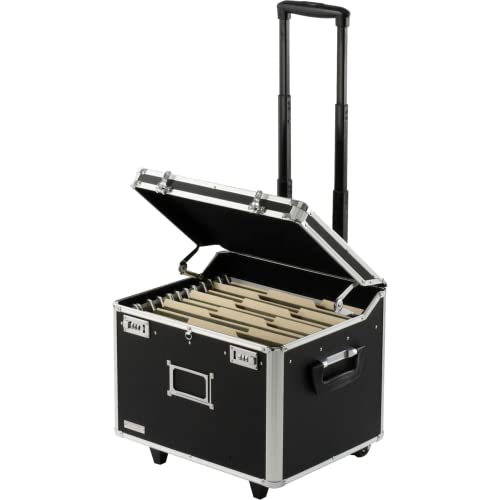
Vaultz Portable File Storage Box with Handle - 14.5" x 17.5" x 15.5" Letter/Legal Size Mobile Lock Box - Double Combination Locking Cabinet - Black
SIZE - Our locking mobile file box measuring 15 x 14 x 17 inches is ideal for locking...
As an affiliate, we earn on qualifying purchases.
Conclusion
By understanding the unique challenges women face in retirement, you can craft a robust plan that secures your future. Don’t let the obstacles feel overwhelming—think of your retirement as the most important journey of your life. With careful strategy and confidence, you’ll turn these hurdles into stepping stones. Remember, your golden years deserve nothing less than the best, and you have the power to make that a reality. Start now, and watch your dreams unfold!

ENGPOW File Box with Lock,Fireproof Document Box with Zipper&Pockets,Collapsible File Organizer Filing Storage Cabinet with Handle,Portable Home Office Safe for Hanging Letter/Legal Folder,Black
Fireproof and water-resistant: Fireproof lock box is made of double layered non-itchy silicone coated fiberglass which stands up...
As an affiliate, we earn on qualifying purchases.

BYNSOE 2 Drawer File Cabinet with Lock Vertical Filing Storage Cabinet Office Home Steel Vertical File Cabinets for Letter Size File Cabinet Locked,Assembly Required
【HIGH CAPACITY】This filing cabinet consists of two drawers of the same size, which are large enough to accommodate...
As an affiliate, we earn on qualifying purchases.