

In a low interest rate environment, generating steady retirement income gets tougher as traditional options like bonds and savings accounts offer lower yields. To bridge the gap, you might need to diversify your investments with dividend stocks, alternative assets, or tax-advantaged accounts like Roth IRAs and municipal bonds. Careful planning and regular adjustments will help protect your savings against inflation and market changes. Keep exploring so you can discover strategies to secure your financial future amid these challenges.
Key Takeaways
- Diversify investments beyond bonds to include stocks, dividend-paying equities, and alternative assets for higher income.
- Utilize tax-advantaged accounts like Roth IRAs and municipal bonds to enhance after-tax income streams.
- Manage risks with adequate liquidity, emergency funds, and longevity planning to sustain income in low-rate environments.
- Consider delaying Social Security benefits and incorporating guaranteed income products such as annuities for stability.
- Regularly review and adjust your retirement plan to adapt to interest rate changes, inflation, and market volatility.

Low interest rates have profoundly impacted retirement planning, making it more challenging to generate reliable income from traditional fixed-income investments like bonds and savings accounts. When rates fall, the income you earn from these safe assets shrinks, forcing you to rethink your strategy. For example, a $500,000 portfolio yielding a 5% return produces $25,000 annually, but if rates drop to 3%, that income falls to $15,000. This creates a significant gap in your expected retirement income, which can jeopardize your financial stability. Conservative portfolios, once relied upon for steady income, now offer diminished returns, pushing retirees to explore alternative options. Falling interest rates also encourage borrowing and spending in the economy, but for your retirement, they mean less predictable and less sufficient income streams. You might need to adjust your withdrawal strategies or lifestyle to compensate for the lower guaranteed income, which adds stress to your planning. Additionally, low interest rates tend to reduce the returns on savings and fixed-income investments, further squeezing retirees’ income possibilities. In response, diversification becomes essential. Instead of depending heavily on bonds or savings accounts, you should consider a mix of assets—including stocks, bonds, and alternative investments—to maximize returns and spread risk. Incorporating dividend-paying stocks can help boost income, but keep in mind they come with market volatility. For bonds, focusing on intermediate- to long-term issues with higher coupons can be advantageous because they tend to perform better in low-rate environments. Regular portfolio rebalancing is crucial to maintain your desired allocation, especially as interest rates fluctuate and impact asset performance. Tax-advantaged accounts offer additional opportunities to enhance your income. Roth IRAs and Roth 401(k)s allow for tax-free withdrawals, making them valuable tools in a low-rate climate. Municipal bonds provide tax-exempt income at the federal level, and sometimes at the state level, which can help stretch your dollars further. Health Savings Accounts (HSAs) offer triple tax benefits on medical expenses, and gradually converting traditional IRAs to Roth IRAs can reduce future tax burdens. Additionally, using Qualified Charitable Distributions (QCDs) from IRAs can lower your taxable income while supporting causes you care about. Risk management and liquidity are also critical. Keep an emergency fund covering 6-12 months of expenses during your working years, and extend that to 12-24 months once retired. Holding a portion of your assets—about 2-4 years’ worth of expenses—in short-term, high-quality bonds or cash equivalents provides stability. Considering longevity risks, it’s wise to plan your portfolio to last into your 90s or beyond, and to incorporate health-related strategies like long-term care insurance and Health Savings Accounts to prepare for rising healthcare costs. Low interest rates influence how much you can safely withdraw each year. You may need to lower your withdrawal rate from the standard 4%, as the risk of depleting your savings increases if you’re not careful. Inflation and market volatility further complicate your planning, making it essential to review and adjust your spending and investment strategies regularly. Delaying Social Security benefits can also boost your future payouts, supplementing your income. Ultimately, a flexible, diversified approach, leveraging guaranteed income products like annuities, and continuous review will help you navigate retirement in a low-rate environment. Additionally, understanding the concept of safe withdrawal rates can help you plan more effectively for a sustainable income.
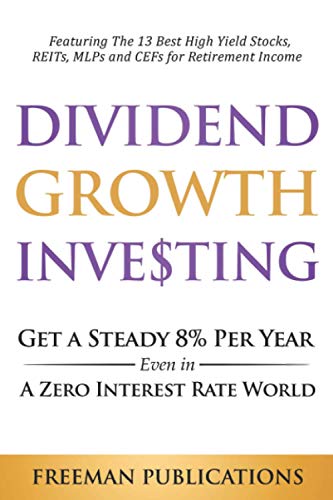
Dividend Growth Investing: Get a Steady 8% Per Year Even in a Zero Interest Rate World – Featuring The 13 Best High Yield Stocks, REITs, MLPs and CEFs For Retirement Income (Stock Investing 101)
As an affiliate, we earn on qualifying purchases.
As an affiliate, we earn on qualifying purchases.
Frequently Asked Questions
How Can Retirees Protect Their Income During Prolonged Low-Rate Environments?
You can protect your income during prolonged low-rate environments by diversifying your investments, including dividend-paying stocks, bonds, and real estate. Consider annuities or other income-focused products that offer steady cash flow. Additionally, review your expenses and look for ways to reduce costs. Staying informed about market trends and working with a financial advisor can help you adjust your strategy, ensuring a reliable income stream throughout your retirement.
Are Alternative Investments Suitable for Conservative Retirement Portfolios?
Imagine your retirement portfolio as a steady boat steering calm waters. Alternative investments can be suitable if you’re comfortable with some extra waves, as they often offer higher yields. However, they come with increased risks and complexity. You should evaluate your risk tolerance and diversify wisely. Consulting a financial advisor can help you determine if these options align with your conservative approach, ensuring your journey remains smooth and secure.
What Are the Tax Implications of Shifting to Higher-Yield Assets?
Shifting to higher-yield assets can increase your tax liability because the income they generate may be taxed as ordinary income or capital gains, depending on the asset type. You might face higher tax rates or short-term capital gains taxes if you sell assets quickly. To minimize taxes, consider tax-efficient investments, utilize tax-advantaged accounts, and consult a financial advisor to develop strategies that align with your retirement goals.
How Do Inflation Risks Affect Retirement Savings in Low Interest Periods?
Inflation risks can erode your retirement savings during low interest periods by reducing your purchasing power over time. As interest rates stay low, your investments may not keep pace with inflation, meaning your money buys less in the future. To counter this, you should diversify your portfolio with assets like stocks or real estate, which historically outpace inflation, and regularly review your savings strategy to make certain it stays aligned with inflation trends.
What Strategies Help Balance Growth and Safety in Retirement Planning?
You should diversify your investments, balancing stocks for growth and bonds for safety. Studies show that a well-diversified portfolio can reduce risks and increase returns over time. Consider allocating a portion to dividend-paying stocks, which offer income and growth potential, while keeping some in low-risk bonds. Regularly review and rebalance your portfolio to adapt to changing market conditions, ensuring you’re protected yet positioned for growth.

The Power of Zero, Revised and Updated: How to Get to the 0% Tax Bracket and Transform Your Retirement
As an affiliate, we earn on qualifying purchases.
As an affiliate, we earn on qualifying purchases.
Conclusion
So, congratulations! You’ve mastered the art of stretching every dollar in a world where even your savings barely keep up with inflation. Who knew that chasing elusive yields would turn retirement planning into a high-stakes game of financial roulette? But hey, at least you can impress your grandkids with your daring investment moves — just don’t forget to tell them how you risked it all for that sweet, sweet yield. Cheers to your adventurous retirement!

Retirement Money Secrets: A Financial Insider's Guide to Income Independence
As an affiliate, we earn on qualifying purchases.
As an affiliate, we earn on qualifying purchases.

Municipal Bonds – What You Need To Know To Start Earning Tax-Free Income
As an affiliate, we earn on qualifying purchases.
As an affiliate, we earn on qualifying purchases.