If you’re in your 50s and need to catch up on retirement savings, focus on maximizing catch-up contributions, create a solid budget, and consider consulting a financial advisor for tailored strategies. Prioritize paying off high-interest debt and invest wisely to grow your nest egg, all while planning for healthcare costs. Adjust your retirement goals and explore working longer if needed—start taking these steps today, and you’ll discover more ways to secure your future.
Key Takeaways
- Maximize catch-up contributions to boost retirement savings quickly in your 50s.
- Develop a detailed financial plan using tools or an advisor to identify priorities and strategies.
- Prioritize paying off high-interest debt and establishing healthcare funds to protect savings.
- Adjust retirement goals and consider working longer or delaying Social Security benefits.
- Invest wisely with a focus on growth, inflation protection, and income replacement to bridge the savings gap.

If you’re starting your retirement savings later than planned, you’re not alone, but it’s essential to act now. Many people in their 50s face the challenge of lower savings — the median retirement account balance is around $87,000, which falls short of what’s needed for a comfortable retirement. The limited time to grow your savings makes the task more urgent, especially as you try to catch up before retirement age. Rising costs, notably healthcare expenses, add pressure, and inflation continuously erodes your savings’ purchasing power, meaning you’ll need more money to maintain your lifestyle. Retirement confidence is declining, with many pre-retirees uncertain about their savings lasting and concerned about rising healthcare costs, highlighting the importance of strategic planning now. Understanding these hurdles, you can still take steps to improve your financial outlook. Start by maximizing your catch-up contributions—those higher limits for individuals aged 50 and over. These extra contributions can make a noticeable difference in boosting your retirement nest egg. Using financial planning tools, consulting a financial advisor, or leveraging online retirement hubs can help craft a strategy tailored to your situation. Budgeting is also essential; practicing living on a retirement budget now will prepare you for reduced income, helping you identify areas where you can cut expenses and save more aggressively. Healthcare costs are a significant concern, so it’s wise to plan for Medicare and long-term care expenses now. Securing appropriate insurance coverage and setting aside funds for potential healthcare needs can safeguard your savings against unexpected costs. Additionally, managing and paying off high-interest debt before retirement can free up more resources for your savings, easing the financial burden later. While market volatility can unsettle your plans, it’s important to invest wisely—consider options that offer inflation protection and growth potential. Your goal should be to replace a substantial portion of your pre-retirement income, ensuring you can sustain your desired lifestyle. Understanding your Social Security benefits, including when to claim them for maximum payout, is equally critical to your retirement plan. Confidence in retirement is waning for many, driven by inflation and rising costs. However, by taking proactive steps now, you can improve your outlook. Many late starters are adjusting their goals, planning to retire later or partially, and working longer—especially since the workforce over 65 is growing faster than the overall labor market. Despite the challenges, focusing on strategic saving, debt reduction, and healthcare planning can help you bridge the gap, making retirement achievable—even if you’re starting late. The key is to act decisively today, so you’re better prepared for tomorrow.

The Retirement Account Calculator Complete Savings and Withdrawl Tables for IRA and Keogh Plans
As an affiliate, we earn on qualifying purchases.
As an affiliate, we earn on qualifying purchases.
Frequently Asked Questions
Can I Still Retire Comfortably After Starting Late?
Yes, you can still retire comfortably even if you start late. Focus on boosting your savings now by reducing expenses and increasing contributions. Max out retirement accounts like IRAs and 401(k)s, and consider working longer or part-time to add more funds. Prioritize paying off debt and investing wisely. With dedication and smart planning, you can make up for lost time and enjoy a secure retirement.
What Investment Options Are Best for Late Starters?
You should prioritize aggressive investments like stocks or mutual funds to maximize growth potential. Consider opening a Roth IRA or a taxable brokerage account to save more now. Diversify your portfolio to reduce risk, and regularly review your investments to stay on track. If you’re over 50, take advantage of catch-up contributions, which let you save more each year. Working with a financial advisor can help tailor a plan suited to your late-stage goals.
How Much Should I Save Annually in My 50S?
You should aim to save at least 15% of your income annually, including employer contributions if available. Prioritize maxing out retirement accounts, boosting your savings rate each year, and minimizing unnecessary expenses. Focus on consistent contributions, diversify investments, and adjust your savings as your income grows. By staying disciplined, you can build a substantial nest egg, even if you start late, ensuring a more secure and comfortable retirement.
Are There Government Programs to Assist Late Retirees?
Yes, there are government programs to assist late retirees. You may be eligible for social security benefits, which provide income based on your work history. Some countries offer targeted social assistance or pension top-up schemes to help seniors with limited savings. Check with your local government or social services agency to explore these options and determine which programs you qualify for, ensuring you get the support you need in retirement.
How Do I Balance Saving With Paying off Debts?
To balance saving with paying off debts, start by prioritizing high-interest debts first to reduce your overall costs. Create a budget that allocates a fixed amount for debt repayment while still setting aside some savings. Automate your payments to stay consistent, and look for ways to increase income or cut expenses. This approach helps you make steady progress on both fronts without feeling overwhelmed.
10 Costly Medicare Mistakes You Can't Afford to Make
As an affiliate, we earn on qualifying purchases.
As an affiliate, we earn on qualifying purchases.
Conclusion
Even if you’re starting late, you can still catch up on retirement savings. It’s easy to feel overwhelmed, but taking focused steps now makes a difference. Imagine adding just $500 a month—within 10 years, that’s over $60,000, plus growth. By staying committed and adjusting your plan as needed, you’ll build a more secure future. Remember, it’s never too late to start improving your financial outlook—every small step counts toward your retirement dreams.
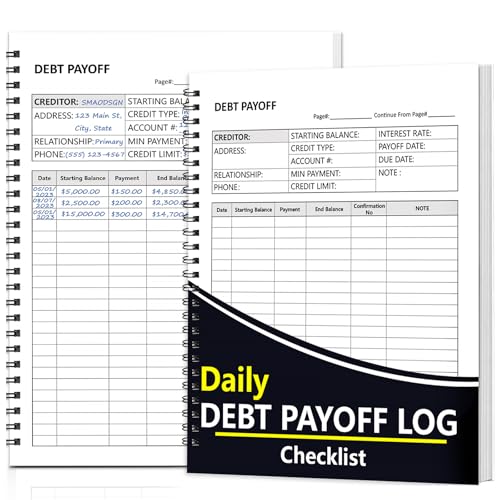
Debt Payoff Planner Spiral Bound Letter Size Debt Payoff Tracker 8.5×11 Inch Bill Payment Tracker Notebook Double Printed Financial Planner Monthly Expense Tracker for Credit Cards Payment 110 Pages
Comprehensive Debt Management Tool:The debt payoff planner log offers a detailed table design to help users manage debt…
As an affiliate, we earn on qualifying purchases.
As an affiliate, we earn on qualifying purchases.

Retirement Planning for Late Starters: Simple Strategies to Build Wealth and Achieve Financial Independence When Time Is Limited
As an affiliate, we earn on qualifying purchases.
As an affiliate, we earn on qualifying purchases.