

As retirement nears, balancing income-generating assets with growth-focused investments helps guarantee your savings last and your lifestyle stays secure. You need enough income from dividends, interest, and distributions to cover expenses, while also maintaining growth assets like stocks to fight inflation and preserve long-term value. A mix of both shields you from market swings and sustains your wealth over time. To discover how to optimize this balance for your situation, explore the strategies beyond this overview.
Key Takeaways
- As retirement nears, adjusting asset allocation to include more bonds and cash enhances income stability and reduces volatility.
- Balancing income-generating investments with growth assets helps sustain purchasing power and prevent portfolio depletion.
- Regular rebalancing ensures the portfolio maintains the desired mix of income and growth assets aligned with risk tolerance.
- A diversified approach combining dividends, interest, and capital appreciation offers flexibility for withdrawal strategies.
- Prioritizing both income and growth supports long-term financial security and adapts to changing market conditions.

Understanding the difference between portfolio income and growth is essential for building a retirement strategy that aligns with your financial goals. Portfolio income primarily comes from interest, dividends, and other cash distributions that your investments generate, allowing you to cover living expenses without needing to sell off your principal. This steady stream of cash flow is especially appealing for retirees who prefer living off the income generated by their investments rather than depleting their savings. On the other hand, growth focuses on capital appreciation—your assets increase in value over time, building wealth to meet future needs. Total-return investing combines both approaches, aiming to generate income while also increasing your portfolio’s value, providing a balanced strategy that supports current spending and preserves capital for later years. Diversification across income and growth assets is crucial to manage risk effectively and ensure stability. Near retirement, balancing income and growth becomes *essential*. You need enough income to cover your immediate expenses, but also want growth to combat inflation and extend your savings’ lifespan. Focusing solely on income might provide stability but can limit your overall returns, risking principal depletion if the income falls short. Conversely, emphasizing growth alone exposes you to market volatility, which could threaten your cash flow during downturns. A well-balanced approach helps you maintain a sustainable withdrawal rate, ensuring your portfolio can support your needs over decades without undue risk. While your asset allocation might shift as you age—typically moving from a growth-heavy mix to more income-focused investments—you shouldn’t completely abandon growth assets. This helps you stay ahead of inflation and maintain your purchasing power. In addition, regular rebalancing ensures your portfolio remains aligned with your desired risk and return profile. In terms of asset allocation, younger investors often favor higher equity exposure, usually around 60-70%, to maximize growth potential. As retirement nears, portfolios tend to reallocate toward bonds and cash, aiming for 40-60% stocks and the rest in fixed income and cash equivalents. Rebalancing regularly is *crucial* to keep your portfolio aligned with your target allocation amid market fluctuations. Income-generating investments like dividend-paying stocks, bonds, and annuities can provide consistent cash flow, while cash and cash equivalents offer safety and liquidity for short-term needs. REITs and preferred stocks are additional income sources, but they carry sector-specific risks that you should consider. When planning withdrawals, an income-focused strategy emphasizes living off interest, dividends, and distributions, avoiding the sale of principal whenever possible. Alternatively, a total return approach combines income with capital gains, giving you more flexibility in managing your withdrawals. By understanding and balancing these two elements—income and growth—you can craft a retirement plan that minimizes risk, sustains your lifestyle, and preserves your wealth over the long term.
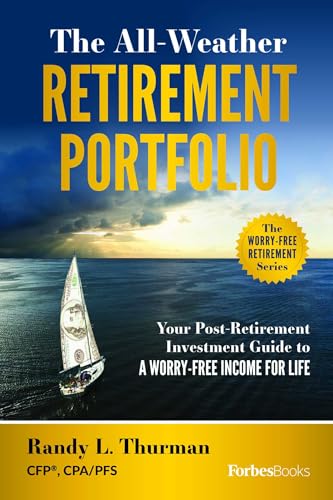
The All-Weather Retirement Portfolio: Your Post-Retirement Investment Guide to a Worry-Free Income for Life (Worry-free Retirement)
As an affiliate, we earn on qualifying purchases.
As an affiliate, we earn on qualifying purchases.
Frequently Asked Questions
How Should I Adjust My Portfolio as Retirement Approaches?
As retirement approaches, you should shift your portfolio toward more stable, income-generating investments like bonds and dividend-paying stocks. Reduce exposure to high-risk assets, and consider consolidating your holdings for simplicity. Prioritize liquidity to cover upcoming expenses and protect your savings. Regularly review your plan, and consult a financial advisor to guarantee your investments align with your retirement goals and risk tolerance, providing peace of mind.
What Risks Are Associated With Focusing Solely on Income?
Focusing solely on income can expose you to risks like inflation eroding your purchasing power, which affects 45% of retirees over time. You might also face market downturns that reduce your income streams. Relying only on income-generating assets limits growth potential, risking insufficient funds for future needs. To protect yourself, diversify your portfolio with growth assets, balancing income with the chance to increase your nest egg.
How Can I Balance Tax Implications of Income and Growth?
You can balance the tax implications of income and growth by diversifying your investments across tax-advantaged accounts like IRAs and Roth IRAs. You should also consider tax-efficient investments, such as index funds or ETFs, which generate less taxable income. Planning withdrawals strategically throughout the year helps reduce taxes. Consulting with a financial advisor ensures your strategy aligns with your retirement goals and tax situation, maximizing your after-tax returns.
What Role Does Inflation Play in Income Versus Growth Strategies?
Inflation acts as both a threat and an opportunity for your investment strategies. It erodes the purchasing power of income-focused assets, making growth investments more appealing to outpace rising costs. Conversely, steady income streams can provide stability amid inflation‘s unpredictability. You should balance these by diversifying, ensuring your portfolio includes assets that protect against inflation while generating reliable income, so your retirement remains secure regardless of economic fluctuations.
How Often Should I Review and Rebalance My Retirement Portfolio?
You should review and rebalance your retirement portfolio at least once a year, or whenever there’s a significant change in your financial situation or market conditions. Regular reviews help you stay aligned with your goals and risk tolerance. If your asset allocation drifts from your target, rebalance by adjusting your investments. Staying proactive guarantees your portfolio remains optimized for both growth and income as you approach retirement.

Dividend Growth Machine: The Intelligent Investor's Guide to Creating Passive Income in Retirement
As an affiliate, we earn on qualifying purchases.
As an affiliate, we earn on qualifying purchases.
Conclusion
Balancing your portfolio’s potential and stability is essential as retirement nears. By blending bold growth strategies with reliable income sources, you build a balanced, bulletproof base for your future. Don’t delay—deliberately diversify, diligently decide, and delight in the dividends of your diligent planning. Remember, a well-woven wealth web weaves a worry-free worry for your retirement years. Keep your course clear, your choices clever, and your confidence confident.
bond funds for income stability
As an affiliate, we earn on qualifying purchases.
As an affiliate, we earn on qualifying purchases.

7Twelve: A Diversified Investment Portfolio with a Plan
As an affiliate, we earn on qualifying purchases.
As an affiliate, we earn on qualifying purchases.