

Deciding between a financial advisor and DIY management depends on your confidence, knowledge, and savings goals. With an advisor, you’ll likely save more, retire earlier, and feel more secure about your future. Advisors offer professional guidance and reduce uncertainty, especially if you’re new to investing. However, DIY investing gives you control and lower costs but requires ongoing effort and expertise. Keep exploring to uncover which option best fits your needs and aspirations.
Key Takeaways
- Financial advisors boost retirement confidence and savings, helping individuals retire earlier and with more financial security.
- DIY investing offers control and lower fees but requires ongoing knowledge, risk management, and self-discipline.
- Advisors provide professional management, reassurance, and help close wealth gaps, especially for minority groups.
- Choosing between the two depends on your confidence, expertise, willingness to learn, and comfort with investment decisions.
- Consider the trade-offs: advisors may reduce returns via fees, while DIY requires time, education, and vigilance to avoid costly mistakes.

Deciding between working with a financial advisor and managing your investments on your own can substantially impact your retirement readiness. It’s a choice that influences your confidence, savings, and overall financial security. Studies show that 83% of people working with a financial advisor feel somewhat or very confident about their retirement, compared to just 53% of those managing their finances alone. If you’re starting with less savings, the difference becomes even more noticeable—households with under $25,000 in savings experience about a 20 percentage point increase in confidence when working with an advisor. For those with higher balances, like $1 million, the benefit levels off, but the overall confidence boost remains significant. Financial advice can significantly reduce the uncertainty of retirement planning.
Financial advisors help improve your financial well-being by guiding smarter decisions, which often leads to better retirement preparedness. People with advisors tend to retire about two years earlier—age 64 versus 66—because they’re more proactive and disciplined in saving. On average, individuals with advisors have saved twice as much, around $132,000, compared to $62,000 for those without help. These differences aren’t just numbers—they translate into a more secure, less stressful retirement. Additionally, 75% of Americans with advisors believe they’ll be financially prepared for retirement, versus just 45% without advisors. Feeling secure financially is essential, and advisors help foster that sense of confidence by providing tailored strategies and ongoing support.
Trust plays an indispensable role in this relationship. Americans with advisors view them as the most trusted source of financial advice—twice as trusted as family and eight times more than social media influencers. For African Americans, having an advisor often means retiring about three years earlier and accumulating nearly three times more savings than those without guidance. Advisors contribute to closing wealth gaps by encouraging earlier debt payoff and boosting savings, especially among minority groups.
While working with an advisor offers many advantages, it also comes with trade-offs. You gain access to professional investment management, comprehensive planning—including taxes, estate, and risk management—and reassurance through fiduciary responsibility if you choose a fee-only advisor. But you also give up some control over your investments, and advisory fees can eat into your returns. Not all advisors are transparent, so trust is essential. Conversely, managing your investments yourself allows for greater control and cost savings, but demands continuous education, vigilance, and the ability to adapt to changing rules and markets.
DIY investors need time, knowledge, and motivation to keep up with tax laws, market trends, and regulations. Without sufficient expertise, you risk costly mistakes or missing opportunities. DIY is suitable if you’re confident in your ability to learn and manage complexities independently. Otherwise, working with an advisor can provide peace of mind, better decision-making, and a more secure path toward your retirement goals.
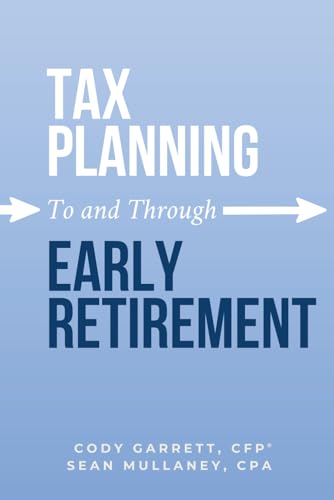
Tax Planning To and Through Early Retirement
As an affiliate, we earn on qualifying purchases.
As an affiliate, we earn on qualifying purchases.
Frequently Asked Questions
How Do I Evaluate a Financial Advisor’s Qualifications?
To evaluate a financial advisor’s qualifications, start by checking their credentials like CFP or CFA designations. Verify their registration with regulatory bodies such as the SEC or FINRA. Ask about their experience, specialties, and fee structure. Read reviews and ask for references. Make sure their advice aligns with your retirement goals and that you feel comfortable with their communication style. This helps guarantee you’re working with a qualified, trustworthy professional.
What Are Hidden Costs of Hiring a Financial Advisor?
Hidden costs of hiring a financial advisor often include ongoing management fees, transaction charges, and product commissions that you might not notice at first. These can add up quickly, eating into your retirement savings. Some advisors also charge for extra services or account transfers. Be sure to review all fee disclosures carefully, ask questions about potential hidden costs, and compare different advisors to ensure you’re not surprised by unexpected expenses down the line.
Can DIY Investing Outperform Professional Advice?
Yes, DIY investing can outperform professional advice if you’re willing to put in the time to learn, stay disciplined, and adapt to market changes. You have control over your investments, avoid management fees, and can react quickly to opportunities. However, success depends on your knowledge, experience, and emotional resilience. If you’re diligent and educated, DIY investing might beat professional strategies, but it requires commitment and careful research.
How Often Should I Review My Retirement Plan?
You should review your retirement plan at least once a year to guarantee it aligns with your goals and market conditions. Additionally, check it after major life events like a job change, marriage, or significant financial shifts. Regular reviews help you stay on track, adjust contributions, and rebalance investments as needed. Staying proactive ensures your retirement plan adapts to life’s changes and market fluctuations, keeping you confident about your future.
Is Hybrid Management a Better Option for Me?
Is hybrid management a better option for you? It could be, especially if you want a balance of expert guidance and control. You get the reassurance of professional advice while staying actively involved in your investments. This approach suits those who want to optimize their strategy without fully outsourcing or managing everything alone. Evaluate your confidence, time, and goals to determine if blending both methods helps you feel secure and empowered.

Jongdari Mosaic Tiles Craft Kits for Adults, 2 Set Diy Mosaic Art Projects Coaster Stained Glass Kit with Bamboo Coaster Craft Gifts for Women Handmade Home Decor Gifts (2 Hexagon)
PACKAGING INCLUDES – Our mosaic kits for adults includes 2 high-quality bamboo coasters, 2 sets of mosaic glass…
As an affiliate, we earn on qualifying purchases.
As an affiliate, we earn on qualifying purchases.
Conclusion
Ultimately, whether you choose a financial advisor or go DIY, the key is making informed decisions. Did you know that 60% of retirees who worked with a financial advisor reported higher satisfaction with their retirement savings? By understanding your options and staying proactive, you can maximize your assets and secure your future. Remember, the right approach depends on your comfort level, knowledge, and goals—so choose what helps you sleep better at night.

Saving for Retirement
As an affiliate, we earn on qualifying purchases.
As an affiliate, we earn on qualifying purchases.
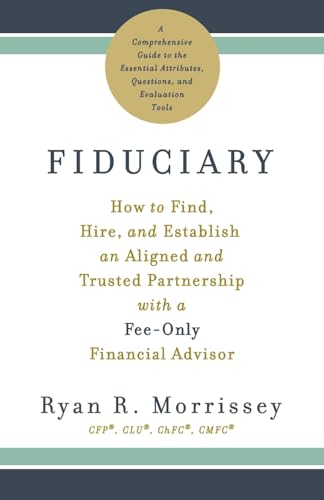
Fiduciary: How to Find, Hire, and Establish an Aligned and Trusted Partnership with a Fee-Only Financial Advisor
As an affiliate, we earn on qualifying purchases.
As an affiliate, we earn on qualifying purchases.