

If you’re retiring early and want to access your IRA funds before age 59½, be aware that withdrawals usually face a 10% penalty plus income tax, unless you meet specific exceptions like a first-time home purchase or disability. Roth IRAs offer more flexibility since contributions can be withdrawn anytime without penalties. Consider options like SEPP or consulting a tax professional to avoid costly mistakes. Keep exploring to discover ways to manage your IRA wisely before retirement.
Key Takeaways
- Early IRA withdrawals before age 59½ typically face a 10% penalty plus income tax, reducing retirement savings significantly.
- Consider IRS-approved options like substantially equal periodic payments (SEPP) to avoid penalties when accessing funds early.
- Roth IRA contributions can be withdrawn anytime tax- and penalty-free; earnings require specific conditions for penalty exemption.
- Converting traditional IRAs to Roth IRAs involves taxes but no penalties; plan carefully to meet five-year and age requirements.
- Consult a tax professional to explore exceptions, alternative strategies, and avoid costly penalties when managing your IRA early.

Managing your IRA before age 59½ requires careful planning because early withdrawals often come with penalties and taxes that can considerably reduce your savings. If you withdraw funds prematurely from a traditional IRA, you face a 10% IRS penalty plus ordinary income tax on the amount taken out. This penalty applies to most early distributions, which can greatly eat into your retirement nest egg. However, certain hardship cases allow you to avoid the penalty. These include qualified education expenses, first-time home purchases (up to $10,000), disability, unreimbursed medical expenses exceeding a specific threshold, health insurance premiums while unemployed, substantially equal periodic payments, IRS levies, qualified reservist calls, and situations involving domestic abuse. Keep in mind that each exception has specific requirements—like medical expenses needing to surpass a percentage of your adjusted gross income—so you must verify eligibility carefully.
Early IRA withdrawals before age 59½ may incur penalties and taxes, but exceptions exist for specific hardships.
If you inherit an IRA, you generally aren’t hit with the penalty upon withdrawal unless you roll the funds into a spouse’s IRA. But for original account owners, early withdrawals usually trigger both taxes and penalties unless you qualify for an exception. Rolling funds into a Roth IRA through a conversion is a different process. This move converts your traditional IRA into a Roth, which means you’ll pay taxes on the amount converted in the year of the transfer, but no penalty applies. Be aware, though, that a five-year holding period starts once you do this, and withdrawals of earnings before five years or age 59½ could result in taxes and penalties unless an exception is met.
Roth IRAs offer more flexibility for early access. You can withdraw your contributions anytime without taxes or penalties, regardless of age or how long the account has been open. Earnings, however, are subject to taxes and a 10% penalty if taken out before age 59½ and before the account has been open for five years, unless you qualify for an exception. These exceptions for earnings include first-time home purchases (up to $10,000), qualified education costs, birth or adoption expenses, disability, domestic abuse, IRS levies, disaster-related withdrawals, and medical expenses exceeding a certain percentage of your income. Once you’ve held a Roth for five years, you can withdraw earnings tax- and penalty-free if you’re disabled or for a first-time home purchase. Additionally, understanding the role of projectors in home entertainment can help you create a more immersive environment for relaxation or family time, aligning your personal space with your lifestyle needs.
If you’re considering early withdrawals, explore options like substantially equal periodic payments (SEPP or 72(t)), which IRS-approvedly let you take steady, penalty-free distributions over several years. You might also use IRA funds for specific needs like buying a home or paying for education without penalties, but taxes will usually still apply. Alternatives include dipping into taxable brokerage accounts or emergency savings, or taking a loan if available. Always consult a tax professional to understand the full impact, and avoid unnecessary penalties that can derail your retirement planning.
IRA early withdrawal penalty protection
As an affiliate, we earn on qualifying purchases.
As an affiliate, we earn on qualifying purchases.
Frequently Asked Questions
Can I Withdraw From My IRA Without Penalties for Emergencies?
Yes, you can withdraw from your IRA without penalties for emergencies if you qualify for specific exceptions. These include using the funds for qualified medical expenses, a first-time home purchase (up to $10,000), or if you become totally disabled. You might also avoid penalties if you establish a Substantially Equal Periodic Payments (SEPP) plan. Always consult with a financial advisor to guarantee you meet the criteria and avoid penalties.
Are There Exceptions to Early Withdrawal Penalties Before Age 59½?
Absolutely, there are exceptions to the early withdrawal penalties before age 59½. You can avoid penalties if you become totally disabled, use the funds for a first-time home purchase (up to $10,000), or face substantial medical expenses. Additionally, withdrawals for qualified higher education costs or if you’re called to serve in active military duty also qualify. Know these options to save your hard-earned money from unnecessary penalties.
How Does Early Withdrawal Affect My Retirement Savings Growth?
When you make an early withdrawal from your IRA, it directly reduces your retirement savings growth because you miss out on potential compounding interest. Each withdrawal not only decreases your current balance but also limits future growth. Plus, if you don’t qualify for an exception, you’ll face penalties and taxes, further eroding your funds. To maximize your retirement, avoid unnecessary early withdrawals whenever possible.
What Are the Tax Implications of Early IRA Withdrawals?
You’ll face a 10% penalty on early IRA withdrawals, and the amount you take out will be taxed as ordinary income. This means you might owe a significant chunk of your withdrawal to taxes, reducing your savings. Sometimes, exceptions apply—like for a first-time home purchase or qualified education expenses—but generally, early withdrawals can really cut into your retirement nest egg. So, think twice before tapping into your IRA early.
Can I Use IRA Funds for Education or First-Time Home Purchases?
Yes, you can use your IRA funds for education expenses or a first-time home purchase without facing the early withdrawal penalty. For education, qualified expenses include tuition, books, and supplies. For a first-time home, you can withdraw up to $10,000 without penalty. Keep in mind, you’ll still owe income taxes on traditional IRA withdrawals. This flexibility helps fund important life milestones while managing your retirement savings responsibly.
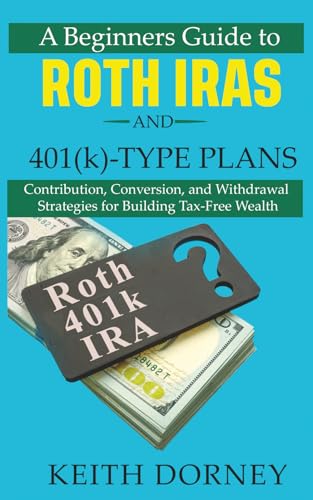
A Beginners Guide to Roth IRAs and 401(k)-Type Plans: Contribution, Conversion, and Withdrawal Strategies for Building Tax-Free Wealth (Becoming Financially Independent)
As an affiliate, we earn on qualifying purchases.
As an affiliate, we earn on qualifying purchases.
Conclusion
So, here you are, planning your early escape from the 9-to-5 grind, only to realize that withdrawing from your IRA before 59½ comes with its own set of hurdles. Ironically, the very account meant to give you freedom might keep you tied down longer than expected. But with careful planning and a bit of foresight, you can still enjoy your early retirement—just maybe not without some surprises along the way.
Substantially equal periodic payments (SEPP) kit
As an affiliate, we earn on qualifying purchases.
As an affiliate, we earn on qualifying purchases.
IRA tax professional consultation
As an affiliate, we earn on qualifying purchases.
As an affiliate, we earn on qualifying purchases.