TL;DR

Get home office essentials delivered free with Prime
- Fast, free delivery on millions of items
- Prime Video, Amazon Music and more included
- Member-only deals all year
A precious metals investment kit is a packaged set of physical bullion or collectible products, but there is no standard definition of what it must contain. Before you buy, check each item’s fine-metal content, compare the total price with its estimated spot value, and understand resale, storage, insurance, and tax considerations.
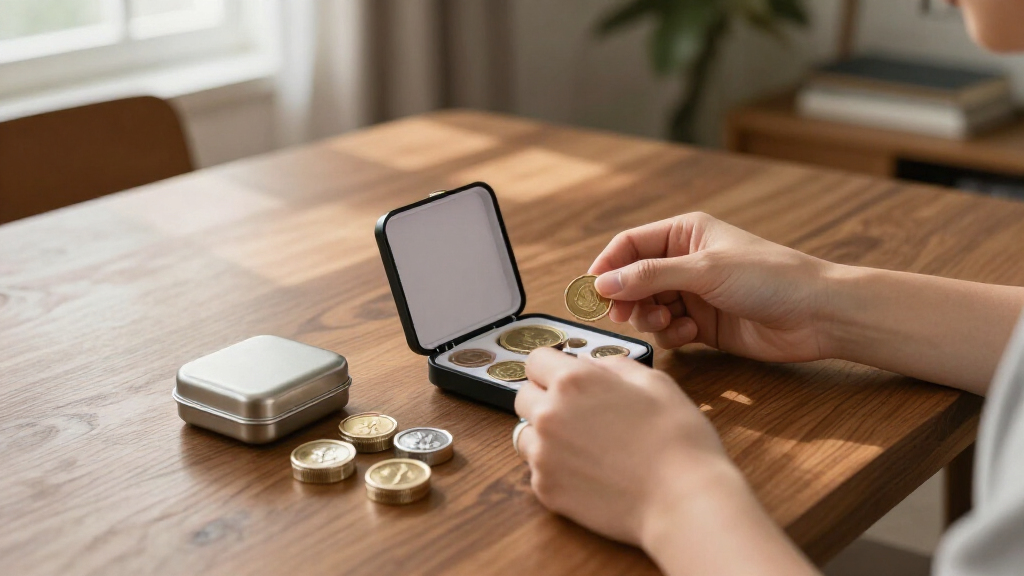
A polished box can make a small stack of coins feel like a ready-made portfolio. But with precious metals investment kits, the box is often the easiest part to understand. The contents, extra charges, and price you might receive when selling deserve a closer look.
A precious metals investment kit is usually a packaged set of physical gold or silver coins or bars, sometimes bundled with a guide or storage materials. The term has no standard definition, so one seller’s starter kit may contain recognizable bullion while another’s includes collectible products with higher premiums.
This guide shows you how to inspect the contents, compare cost with metal value, think through resale and storage, and spot marketing that promises more than a kit can deliver. You’ll leave with a practical checklist—not a claim that metals are right for everyone. Prices can rise or fall, and you can lose money.
Treat each kit as a list of products: verify metal, fine weight, purity, and whether each item is bullion or collectible.
Compare the full delivered cost with estimated spot value, then ask how the dealer would buy the items back.
A collectible premium or advertised retail value does not guarantee an equivalent resale price.
Check authenticity, written seller policies, storage arrangements, insurance coverage, and local tax rules.
Physical metals can lose value and do not generate interest or dividends; a kit is not a substitute for liquid savings or a wider financial plan.
What a Precious Metals Investment Kit Actually Includes
A precious metals investment kit is a seller-assembled set of physical metal products, most often gold or silver coins and bars, that may also include guides or storage materials. Since no industry-wide standard defines the term, you need to inspect the itemized contents rather than assume every kit holds the same kind or amount of metal.
Look for each item’s metal, weight, purity, and maker, then check whether it is bullion or a collectible coin. “One ounce of gold” generally refers to one troy ounce of fine gold, not an ordinary avoirdupois ounce, which weighs about 28.35 grams. A troy ounce is about 31.10 grams. That difference matters when you calculate the metal in a kit.
For example, a kit might include one one-ounce gold coin, several silver rounds, and a commemorative coin. The commemorative coin may carry a collector premium, but that premium is not automatically easy to recover when you sell. A precious metals investment kit is only as clear as its product descriptions: if the seller does not state weights and purities, ask for a written list before comparing prices.
Packaging, certificates, and guides can be useful, but they do not add metal content. Treat the kit as a list of individual items first and a themed bundle second. That simple change makes the next question easier: how much are you paying beyond the metal?
Products Worth Considering

Apple MacBook Neo 13-inch Laptop with A18 Pro Chip, 8GB Memory, 256GB SSD, Liquid Retina Display, 1080p Camera – Silver
Apple iMac (24-inch, 2024) with M4 Chip, 16GB Unified Memory, 256GB SSD, Silver

Logitech MX Master 4 for Mac Wireless Ergonomic Mouse, White Silver
As an affiliate, we earn on qualifying purchases.
How to Compare a Kit’s Price With Its Metal Value
To judge a kit’s price, add up the fine-metal content of its items, estimate that content at the relevant spot price, and compare the result with the full amount you would pay. The gap is not automatically a rip-off: fabrication and distribution cost money. But a large premium can make it harder to break even if you later sell.
Use this four-step check before you pay:
- List each item and record its metal, weight, and purity.
- Calculate fine-metal weight; for example, a 1-ounce coin that is 90% fine contains 0.9 troy ounce of fine metal.
- Multiply fine weight by the current spot price for that metal. This is an estimate of metal value, not a guaranteed resale offer.
- Add every charge, including shipping, insurance, taxes, and payment fees, then compare the total with the estimate and ask about buyback terms.
Imagine the contents have an estimated metal value of $1,000, while the checkout total is $1,180 after shipping and fees. You are paying $180 above that estimate. Whether that price makes sense depends on the products and seller, but the calculation tells you what you need to ask about instead of relying on “starter kit” branding.
Spot prices and premiums can change, particularly when demand or availability shifts. Avoid treating an old price comparison as current, and remember that metal value is not a guaranteed exit price. A dealer may offer less when buying your items back.
Compare Bullion and Collectibles Before Paying a Premium
Bullion products are generally valued mainly for their metal content, while collectible coins may also carry a premium tied to rarity, condition, or demand among collectors. That distinction affects more than the purchase price: it changes what evidence supports the price and who might pay extra when you sell. With bullion, metal weight and market prices provide a relatively direct reference. With collectibles, the premium depends on a narrower market and can be harder to establish.
Consider two products with similar amounts of silver. A widely recognized bullion coin may be straightforward for a dealer to identify and quote, which can make it easier to compare offers. A themed coin promoted as rare may cost more, yet its resale price could depend on finding a buyer who values that theme and agrees with the claimed rarity. “Rare” does not mean “easy to sell”, and a seller’s suggested value is not a promise of what you will receive. If the additional premium is important to your decision, seek independent evidence of comparable sales rather than relying only on the seller’s description.
| Feature | Bullion product | Collectible product |
|---|---|---|
| Main price driver | Metal content and market pricing | Metal plus collector demand |
| What to verify | Weight, purity, mint or refiner | Those details, plus condition and claimed rarity |
| Resale question | What price does the dealer offer? | Who recognizes the added collector value? |
The table is a guide, not a guarantee: bullion can also carry premiums, and a collectible can have genuine demand. The tradeoff is often price transparency versus the possibility of collector value. Ask the seller for an itemized price and ask a potential buyer how they would value each piece. If you are new to coins, focusing on clearly described metal content may make comparisons simpler, though it does not eliminate premiums or market risk.
Some sellers bundle both types, so inspect every line rather than judging the kit by its most familiar coin. A set may appear to offer variety, but mixing bullion and collectibles can make its total value harder to assess and its resale route less predictable. The value of a set can be less straightforward than its label suggests.
Check the Dealer and the Buyback Route Before You Order
Before ordering, verify who sells the kit, what the written terms say, and how you could sell its contents later. A professional website or polished presentation cannot prove product quality by itself. Look for clear business details, itemized descriptions, shipping and return policies, and a specific explanation of any buyback offer. These checks matter because the seller controls the initial terms, while the person or business you sell to later may apply different standards and prices.
Online availability makes it easier to compare sellers, but it also means you need to check more than the headline price. For a concrete example, two listings may show the same coin while one adds insured shipping at checkout and the other quotes a lower total with a restocking fee on returns. Compare the delivered cost and full terms, not just the number in a search result. Return rules are especially important if an item arrives damaged, differs from its description, or proves difficult to authenticate; a short return window or costly restocking fee can limit your options.
Ask the dealer how it would repurchase the products, whether the offer tracks spot or includes a discount, and what paperwork or packaging it requires. A buyback policy may offer convenience, but it is not the same as a guaranteed price: the offer can depend on market conditions, product condition, and the dealer’s terms when you sell. Keep invoices and relevant product materials. For a larger purchase or an item you cannot readily identify, consider independent verification from a reputable precious-metals dealer or testing service. Serial numbers, assay cards, and mint marks can help identify a product, but trustworthy sourcing still matters.
Be wary of high-pressure sales, promises of guaranteed returns, or claims that a product’s future scarcity will certainly raise its value. Those are sales claims, not reliable outcomes. A seller’s stated retail valuation also does not tell you what a buyer will pay. Get the likely resale process in writing before you decide whether the convenience is worth the premium, and compare the terms with at least one independent potential buyer where practical.
Plan Storage, Insurance, and Taxes Before the Kit Arrives
Physical metals need secure storage, and the best option depends on your access needs, costs, and insurance coverage. A home safe offers direct access, while a bank safe-deposit box or professional vault may provide a different security arrangement. None is automatically the right choice for every owner: easier access can mean more responsibility for home security, while an off-site option can add fees and restrictions on when or how you retrieve the items.
Suppose you order a kit that fits in a small case and plan to keep it at home. Check whether your homeowners or renters policy covers bullion, what limits or exclusions apply, and whether you need receipts, photographs, or a separate rider. Do not assume ordinary personal-property coverage protects precious metals in full. Verify coverage with your insurer and compare it with the cost and access rules of a vault or safe-deposit box. A storage option that seems secure may still leave you underinsured, and a policy may require specific documentation or safeguards.
Taxes also depend on where you live, what you buy, and how you hold or sell it. In the United States, sales-tax treatment can vary by state, and some physical metals may receive different tax treatment from stocks or bonds. A dealer’s broad statement is not a substitute for checking current local rules or speaking with a qualified tax professional. Tax treatment can affect the effective cost of buying or selling, so include it in your comparison rather than treating it as a detail to resolve later.
Storage fees, insurance, and taxes can change the true cost of owning a kit over time. Write those costs beside the purchase price before ordering. A $1,000 purchase is not the whole financial picture if secure storage adds ongoing fees or a sale creates tax questions. Compare those recurring costs with the value and amount of metal you plan to hold; over time, fixed fees can take a larger share of a small holding’s value.
Decide Whether Physical Metals Fit Your Wider Financial Plan
Gold and silver can play a role in diversification for some people, but they do not pay interest or dividends, and their prices can fall as well as rise. Their potential role is therefore different from assets that generate income: returns depend on changes in market prices and the terms you receive when selling. A kit’s convenience does not make it a balanced investment plan or a replacement for cash you may need quickly.
For example, someone saving for a near-term car repair may need money that is easy to access without arranging a metal sale. Someone else may be researching physical bullion as one part of a broader set of holdings. Their circumstances differ, so there is no universal kit size or allocation that fits every reader. Consider your time horizon, liquidity needs, and ability to absorb a loss before committing money. If you might need to sell quickly, the time, transaction costs, and possible gap between the purchase and buyback price matter as much as the metal’s quoted value.
Marketing labels such as “emergency,” “inflation-protection,” or “starter” describe a sales frame, not a guarantee of suitability or performance. Physical products also require storage and can involve selling spreads or other transaction costs. Some digital precious-metals platforms offer exposure without delivery, but those products are not the same as owning a physical kit; you need to understand custody, fees, redemption rights, and counterparty risk. Comparing options means weighing these different tradeoffs, not assuming that one format removes risk.
A kit can make buying metal feel simple; it cannot make metal prices predictable or remove the risk of loss.
Use the kit as one possible way to hold physical products, not as proof that precious metals are safe or profitable. If a seller’s pitch leaves no room for price declines, fees, or resale uncertainty, step back and compare the offer with your own goals.
Frequently Asked Questions
What is usually included in a precious metals investment kit?
A kit is usually a packaged set of physical gold or silver coins or bars, and some sellers add guides or storage materials. Contents vary, so check an itemized list for each product’s metal, weight, purity, and type.
How do I calculate the metal value of a kit?
Add the fine-metal weight of each item and multiply it by the current spot price for that metal. This gives an estimate of metal value, not a guaranteed buyback offer; premiums, condition, and dealer terms can affect what you receive.
Are investment kits better than buying coins or bars separately?
Not automatically. A kit may simplify selection, while separate purchases can make it easier to choose specific products and compare premiums. Compare the total delivered price and resale terms before deciding which format suits you.
How can I tell whether a kit is overpriced?
Compare its full cost, including shipping and fees, with the estimated spot value of its fine-metal contents. Then ask about the dealer’s buyback price and check whether a high premium comes from collectible features you can independently assess.
Where should I store a precious metals kit?
Options include a home safe, a bank safe-deposit box, or a professional vault, each with different costs, access, and security arrangements. Check your insurance policy directly because bullion may have limits, exclusions, or documentation requirements.
Are precious metals investment kits a low-risk way to invest?
No kit removes market risk. Gold and silver prices can fall, physical metals do not generate interest or dividends, and resale may involve a discount or additional costs. Consider your financial needs and risk tolerance rather than relying on a seller’s promise.
Conclusion
Before you buy a precious metals investment kit, write down what is inside, what the full order costs, and how you could sell each item. Then check storage, insurance, and local tax questions. That small bit of homework can reveal whether you are paying mostly for metal—or for collectibles, packaging, and a persuasive label.
Keep the risk in view: metal prices can fall, and you may receive less than you paid. A clear invoice and a realistic resale plan are worth more than a shiny box with promises inside.