In a Gold IRA, custodians and trustees play crucial roles in safeguarding your assets and keeping your account compliant. They handle storing your physical metals in IRS-approved facilities, manage account records, and ensure all transactions meet IRS standards. Custodians process your contributions, transfers, and distributions, while trustees oversee the overall management. They don’t offer investment advice but make sure your metals are secure and your account stays compliant. Understanding their responsibilities helps you maintain a secure, tax-advantaged gold investment.
Key Takeaways
- Custodians and trustees are IRS-approved entities that ensure compliance and secure storage of assets in a Gold IRA.
- Custodians safeguard physical metals, handle transactions, and maintain detailed records without providing investment advice.
- Trustees, often banks or trust companies, oversee asset management and ensure the IRA’s tax-qualified status.
- Both coordinate with IRS-approved depositories to store metals securely and meet purity standards.
- They manage administrative tasks, report activities to IRS, and ensure ongoing regulatory compliance for the IRA.

If you’re considering a Gold IRA, understanding the roles of custodians and trustees is essential. These entities are the backbone of your retirement account, ensuring your precious metals are stored securely and managed in compliance with federal regulations. Custodians are IRS-approved financial institutions responsible for holding and safeguarding your IRA assets, including physical gold and other precious metals. Trustees, often banks or trust companies, manage the assets on your behalf, overseeing transactions and account activities. Both are mandated by the IRS to maintain the tax-qualified status of your IRA, so you can benefit from its tax advantages without worry.
Custodians and trustees ensure your Gold IRA assets are secure and compliant with federal regulations.
Your custodian’s primary duties revolve around protecting your assets. They store your physical metals in IRS-approved depositories, ensuring the storage meets strict security and purity standards. Besides safekeeping, they keep detailed records of all transactions, account balances, and holdings, which helps maintain transparency and facilitates IRS reporting. Custodians execute transactions only when you give explicit instructions—they don’t make investment decisions or offer advice. Their role is purely administrative, coordinating account setup, rollovers, transfers, and distributions, often working closely with your chosen gold IRA company to streamline the process. Additionally, custodians must adhere to strict regulatory standards to ensure your assets remain compliant with IRS rules.
Communication between custodians and gold IRA companies is ongoing. They assist with paperwork, verify that metals meet IRS criteria, and handle the transfer of assets. While custodians coordinate the physical transfer of metals to secure depositories, they do not physically store the metals themselves. Instead, they generate periodic statements that detail your holdings, transactions, and account activity, which helps you stay informed and compliant with IRS requirements. Custodians also manage administrative fees, which are typically flat annual charges. Some gold IRA providers may cover these fees as part of their service, but it’s important to understand what’s included.
Compliance and security are central to their role. Custodians ensure all metals stored meet IRS standards for purity and type before accepting them into your IRA. They are responsible for reporting all contributions, distributions, and account activities annually to both you and the IRS. Protecting sensitive information and transaction records from unauthorized access is also critical, as noncompliance can jeopardize your tax benefits and lead to penalties. However, it’s important to note that custodians do not provide investment advice or make discretionary decisions—that’s up to you. Additionally, custodians often coordinate with IRS-approved depositories to ensure your metals are stored in the safest, most compliant facilities available. Maintaining proper recordkeeping is vital for audit readiness and to ensure your account remains in good standing.

IRA Green Combat Action 1st Award Brite Regular Size Army Badge
Military Award
As an affiliate, we earn on qualifying purchases.
As an affiliate, we earn on qualifying purchases.
Frequently Asked Questions
How Do I Choose the Right Custodian for My Gold IRA?
You should look for a custodian with a solid reputation, transparent fees, and extensive experience handling gold IRAs. Check their licensing and reviews to confirm they’re trustworthy. Compare their customer service and ease of account management. It’s also wise to verify if they offer a wide selection of approved precious metals and understand their storage options. Choosing someone reliable and knowledgeable helps protect your investment and simplifies your retirement planning.
What Fees Are Typically Associated With Custodians and Trustees?
Did you know that fees for custodians and trustees can range from $50 to over $300 annually? Typically, you’ll encounter setup fees, annual maintenance fees, storage fees, and transaction costs. Some may also charge for special services or wire transfers. It is crucial to compare these costs upfront, as they can considerably impact your investment’s overall return. Always read the fine print to avoid surprises and choose a provider that offers transparent, reasonable fees.
Can I Switch Custodians or Trustees Easily?
Yes, you can switch custodians or trustees, but it requires some effort. You’ll need to open a new account with the new custodian and transfer your assets, which can involve paperwork and waiting periods. Confirm to review any transfer fees or restrictions. It’s often advisable to work closely with both custodians to ensure a smooth transition without penalties or tax issues.
What Specific Responsibilities Do Trustees Hold in a Gold IRA?
Trustees manage your Gold IRA by overseeing the investment process, guaranteeing compliance with IRS regulations, and safeguarding your assets. They handle administrative tasks like record-keeping, reporting, and ensuring that the gold is stored securely with a qualified custodian. You rely on them to maintain the integrity of your account, facilitate transactions, and ensure that all legal requirements are met, giving you peace of mind about your precious metals investment.
Are Custodians and Trustees Legally Liable for Investment Losses?
Yes, custodians and trustees can be legally liable for investment losses if they fail to perform their duties properly or breach their fiduciary responsibilities. They’re responsible for managing your Gold IRA in accordance with laws and regulations, so if negligence or misconduct occurs, they might face legal consequences. You should carefully review their policies and ensure they adhere to standards to minimize your risk.
gold IRA storage depository
As an affiliate, we earn on qualifying purchases.
As an affiliate, we earn on qualifying purchases.
Conclusion
Did you know that over 60% of gold IRA investors rely on custodians and trustees to safeguard their assets? Understanding their roles helps you make informed decisions and guarantees your investment stays secure. By choosing trusted custodians and trustees, you’ll benefit from expert management and peace of mind. Remember, your gold’s safety depends on the professionals handling it—so choose wisely to protect your future wealth.
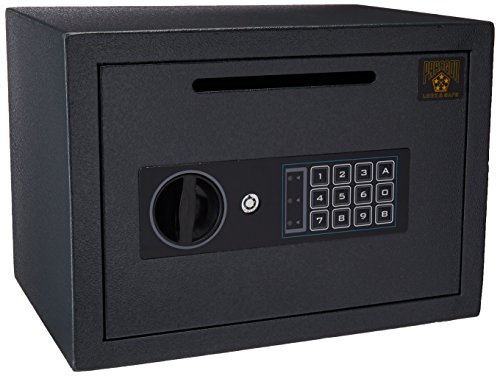
Drop Safe – Digital Compact Steel Money Security Box with Keypad – Deposit Cash Easily – For Home or Business by Paragon Safe – Black, .54 Cubic Feet
DEPOSITORY SAFE – The money drop box can conveniently be utilized in your home or business and is…
As an affiliate, we earn on qualifying purchases.
As an affiliate, we earn on qualifying purchases.

5 Checkbook Transaction Registers with Vinyl Checkbook Cover (Gold)
1 Vinyl Checkbook Cover and 5 Checkbook Registers
As an affiliate, we earn on qualifying purchases.
As an affiliate, we earn on qualifying purchases.