
India and China together shape nearly half of global gold demand, making their trends highly influential. India’s booming jewelry sector, record imports, and rising central bank reserves boost prices, especially during festivals. Meanwhile, China’s investment appetite grows amid economic uncertainties and geopolitical tensions, supporting retail purchases and widening holdings. As these two economies drive demand through cultural habits, investment shifts, and policy actions, their movements directly impact global gold markets. If you continue exploring, you’ll discover more about how their actions ripple worldwide.
Key Takeaways
- India and China together account for nearly half of global demand for gold bars and coins, significantly influencing prices.
- India’s demand driven by cultural traditions, investments, and festive buying, boosts global gold imports and prices.
- China’s demand for investment gold and industrial use, amid economic slowdown and geopolitical tensions, shapes global market trends.
- Central bank gold purchases from both countries support overall demand and contribute to sustained price levels above $3,000/oz.
- Geopolitical tensions and economic uncertainties in both nations increase gold’s role as a safe haven, impacting global market dynamics.
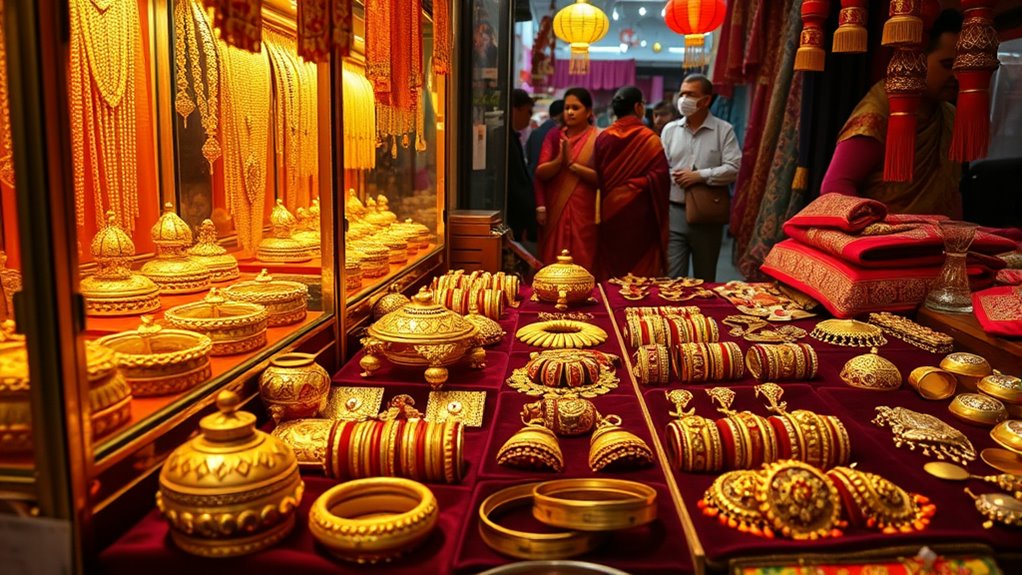
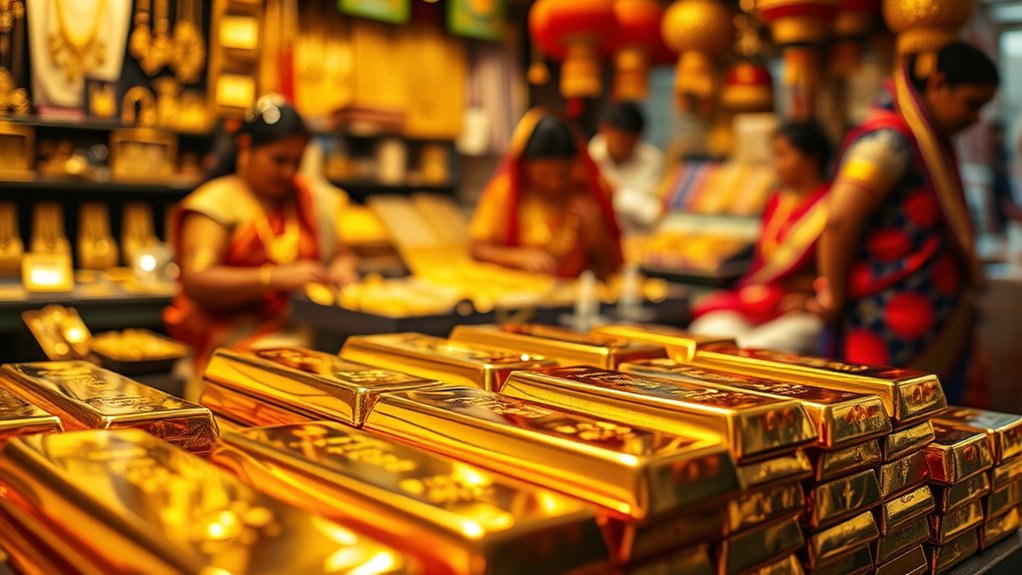
As the world’s largest gold consumers, India and China play pivotal roles in shaping global gold markets. Recently, India overtook China in 2024 to become the top jewelry consumer, with its demand reaching 600 tonnes compared to China’s 575 tonnes. This shift highlights how India’s cultural traditions, investment appetite, and seasonal festivals drive its gold consumption. Leading up to the 2025 festival season, Indian gold imports surged sharply, hitting a ten-month high of $9.16 billion—an impressive 77% month-on-month increase. You can see that the weak Indian Rupee has supported this demand, as many buy gold as a hedge against currency depreciation. Domestic gold prices in India also reflect this robust demand, crossing ₹131,000 per 10 grams by late 2025, influenced by seasonal trends and global price movements.
India surpasses China in gold demand with record imports and rising domestic prices driven by festivals and currency trends.
Meanwhile, China remains a significant player in gold markets, especially for investment and industrial uses. Despite losing the top jewelry spot to India, China’s demand for gold as an investment tool has grown due to underperforming equities and property markets, along with the Chinese Yuan’s depreciation. You’ll notice that China’s capital controls make alternative investments less accessible, which naturally pushes many toward gold as a safe haven. Gold prices tend to respond strongly to China’s market reopenings and geopolitical tensions, often rallying after holidays or regional conflicts. Alongside India, China accounts for about half of global demand for gold bars and coins, underscoring its influence on physical gold markets. Chinese demand for gold has been driven by active retail and institutional buying, especially amid geopolitical tensions and trade wars.
Central bank holdings also reflect the importance of gold in these economies. India’s Reserve Bank has steadily increased its reserves, reaching around 880 tonnes by late 2025, up from 854.73 tonnes in late 2024. The share of gold in India’s foreign exchange reserves rose from 9% to 14%, mainly due to valuation gains as gold prices climbed. Although Chinese central bank gold purchases are less publicized, geopolitical uncertainties involving China influence gold’s price volatility considerably. Globally, net central bank gold purchases in 2025 are expected to be high, with India playing a notable role. These actions support the overall upward trend in gold prices, which stayed above $3,000 per ounce in 2025.
Geopolitical tensions, especially between India and Pakistan and in the Middle East, also fuel gold demand. Investors see gold as a safe haven amid ongoing conflicts and regional instability. Economic uncertainties in China, stemming from policy shifts and slowing growth, further boost gold investment. In India, a resilient economy and rising incomes sustain strong demand despite global risks. Concerns over US regional bank loans and trade tensions between the US and China add to the upward pressure on gold prices. Overall, the combined influence of India and China, along with geopolitical and economic factors, continues to shape the dynamics of global gold markets in profound ways.

2018-Present Random Year 1 oz Australian Gold Dragon Bar MS-70 First Day of Issue Lunar Label $100 MS70 NGC
First Day of Issue
As an affiliate, we earn on qualifying purchases.
As an affiliate, we earn on qualifying purchases.
Frequently Asked Questions
How Do Cultural Festivals Impact Gold Demand in These Countries?
During cultural festivals, your gold demand skyrockets as you buy jewelry for gifting and personal adornment. Festivals like Diwali in India and Chinese New Year boost sales because gold symbolizes prosperity and good luck. You tend to purchase more gold jewelry during these times, increasing overall market demand. These celebrations create a surge in buying, making gold more desirable and influencing prices both locally and globally.
What Are the Environmental Concerns Associated With Gold Mining in India and China?
Like Pandora opening her box, gold mining in India and China raises serious environmental concerns. You must consider habitat destruction, water pollution from toxic chemicals, and soil erosion caused by extensive excavation. These practices threaten local ecosystems and communities, much like the unintended consequences of unchecked greed. As demand grows, it’s crucial to balance economic benefits with sustainable methods to protect these regions’ natural beauty and resources for future generations.
How Do Government Policies Affect Gold Import and Export in These Nations?
You should know that government policies considerably impact gold imports and exports in India and China. When policies tighten, like increasing tariffs or imposing restrictions, it becomes harder for you to buy or sell gold internationally. Conversely, easing regulations encourages more trade. These policies directly influence market prices and availability, so staying informed helps you plan your investments and understand the fluctuations in the gold markets driven by government decisions.
What Role Does Jewelry Consumption Play in Overall Gold Demand?
Jewelry consumption markedly drives overall gold demand, especially in countries like India and China where gold jewelry is culturally important. When you buy gold jewelry for celebrations or weddings, you directly boost demand. This trend influences prices and market trends, as high jewelry consumption indicates strong cultural and economic factors. Your purchasing decisions can impact global gold markets, reflecting the importance of jewelry as a key driver of demand.
How Are Digital and Investment Gold Trends Changing in India and China?
You see digital and investment gold trends in India and China growing rapidly. More people are turning to digital gold platforms and ETFs, making gold more accessible and convenient to invest in. This shift is driven by increasing smartphone use, digital payment adoption, and a desire for secure, liquid assets. As a result, you might notice a diversification of gold demand, reducing reliance on traditional jewelry purchases and boosting overall market activity.

ÌF ME Gold Bangle Bracelets for Women, Indian Bangles Stackable Set, Multi Layer Textured 14K Gold Plated Chunky Bracelets Boho Jewelrys Set(A-10PCS Chunky bangle set)
Stack them up or wear solo – style it your way!With 10 unique bangles, these womens bangles bracelets…
As an affiliate, we earn on qualifying purchases.
As an affiliate, we earn on qualifying purchases.
Conclusion
You can’t ignore how India and China shape the global gold market—they’re the beating hearts fueling demand. Their cultural ties and economic shifts turn gold into more than just jewelry; it’s a mirror of their aspirations and traditions. As these giants continue to influence prices, remember, their impact is like a mighty river carving new paths in the gold landscape. Stay aware, because understanding their role helps you navigate the shimmering world of gold investment.

Neryourlly Metal Mini Chinese Yuan Bao 100pcs+20pcs Fake Gold Bars, Feng Shui Collectibles for Bring Wealth & Luck, Gold Ingot Craft Decorations Christmas, Chinese New Year
What We Receive-Our package includes 100 exquisite metal Yuan Bao 20pcs small fake gold bullion for feng shui…
As an affiliate, we earn on qualifying purchases.
As an affiliate, we earn on qualifying purchases.
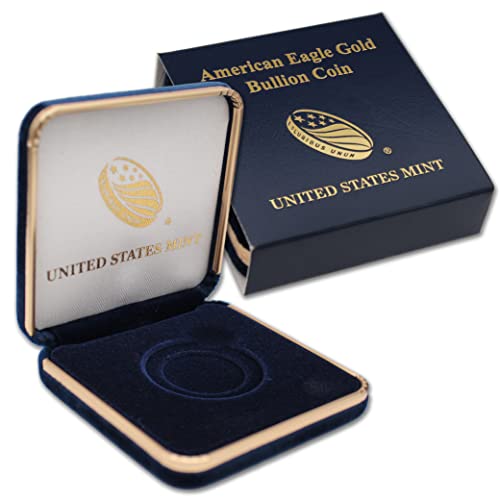
American Gold Eagle Bullion One Ounce Presentation Box
Stock Photo; image is indicative of quality.
As an affiliate, we earn on qualifying purchases.
As an affiliate, we earn on qualifying purchases.