
Central bank gold purchases signal a strategic move toward reserve diversification and financial resilience, which can boost gold prices and market confidence. As more countries, especially those in emerging markets, buy gold to hedge against economic and geopolitical uncertainties, demand increases. This helps support and even elevate gold’s value, making it an attractive safe haven asset. Staying informed about these trends can help you understand how market shifts may impact your investments now and in the future.
Key Takeaways
- Central banks increasing gold reserves signal a move toward reserve diversification and financial stability.
- Rising gold purchases support higher gold prices, offering investment opportunities for investors.
- Growing demand from emerging markets indicates long-term confidence in gold as a safe haven.
- Central bank activity can reduce market volatility and reinforce gold’s role as a reliable store of value.
- Investors should monitor gold buying trends for insights into global economic shifts and currency stability.

Central bank gold buying has become a defining trend in the global financial landscape, signaling a shift toward diversification and stability amid ongoing geopolitical and economic uncertainties. Over the past 15 years, central banks have consistently increased their gold reserves, with annual purchases exceeding 1,000 tonnes in recent years—more than double the previous decade’s average. This sustained demand indicates a strategic move to strengthen reserve portfolios, reduce reliance on the US dollar, and prepare for potential financial disruptions. As an investor, this trend suggests that gold remains an essential asset, especially when central banks actively accumulate it during periods of economic or geopolitical tension. Since 2018, central bank gold demand reached its highest in 50 years, highlighting the urgency and significance of this shift.
Central banks’ ongoing gold purchases signal a strategic shift toward diversification and financial stability amid global uncertainties.
You should also note that the geographic shift in gold buying is significant. Countries in the East, particularly China and Turkey, are leading this push, reflecting a broader regional desire to diversify reserves and assert financial independence. This growing demand from emerging markets is a structural change that’s unlikely to reverse soon. With central banks increasing their gold holdings, especially in BRICS nations, the price support for gold becomes more robust. These purchases create a natural price floor, helping to stabilize and even push gold prices higher during downturns. This pattern is reinforced by seasonal buying behaviors, with demand slowing in summer but re-accelerating from September onward, maintaining consistent upward pressure.
The reasons behind this buying spree are multifaceted. Central banks aim to diversify their reserves, especially as geopolitical tensions and economic uncertainties rise. Gold is seen as a safe haven, a reliable store of value during times of crisis. The current climate, marked by instability and tensions among global powers, has heightened the appeal of gold. Additionally, many BRICS countries are exploring alternatives to dollar-based systems, further fueling demand. For you as an investor, understanding this long-term strategic positioning is essential because it indicates that central banks are not merely reacting to short-term events but are building resilience into their reserves for the future. Furthermore, the global monetary system is shifting, which could influence currency valuations and international trade dynamics.
This ongoing activity is pushing gold prices upward. In 2025, gold experienced a 40% increase and is forecasted to rise further, with Goldman Sachs predicting a 6% gain by mid-2026. The steady buying by central banks and emerging markets supports the market, helping to prevent sharp downturns and encouraging investor confidence. Gold’s consistent double-digit gains over recent years demonstrate its role as a reliable asset class, especially when combined with the purchasing activity of households in emerging markets, which also buy during downturns to hedge risk.
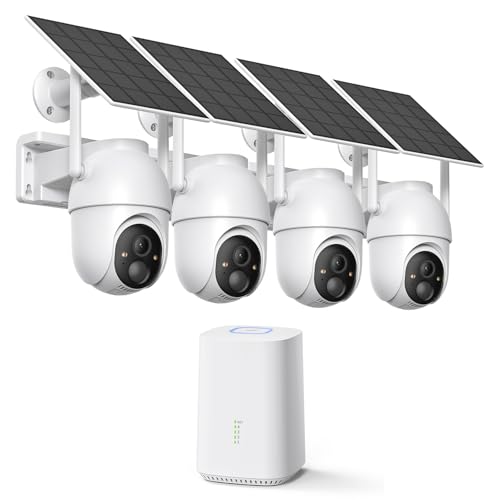
ELYSOO Solar Security Cameras Wireless Outdoor, 64GB Local Storage, 2K/4MP Home Security Camera System, 4-Cam Kit, 2.4G & 5GHz WiFi, PIR Motion Detection, 360° View
Flexible Local & Cloud Storage: The security camera system comes preloaded with a 64GB memory card, giving you...
As an affiliate, we earn on qualifying purchases.
Frequently Asked Questions
How Does Central Bank Gold Buying Impact Global Gold Prices?
When central banks buy gold, it typically pushes global gold prices higher because it signals increased demand and confidence in gold as a safe haven. As an investor, you might see prices rise due to these large purchases, making gold more attractive. Central bank buying can also reduce available supply, further boosting prices. Staying aware of these moves helps you anticipate potential market shifts and adjust your investments accordingly.
Which Countries Are the Biggest Gold Buyers Among Central Banks?
You should know that China and Russia are the biggest gold buyers among central banks. Their purchases symbolize strength and stability, signaling confidence in gold’s role as a safe haven. By investing in gold, these countries aim to diversify reserves and bolster economic resilience. Their buying spree can also influence global gold prices, making it essential for investors like you to watch their moves closely.
How Do Central Bank Gold Reserves Influence Monetary Policy?
You see, when central banks increase gold reserves, it signals a desire to diversify assets and hedge against economic risks. This move can influence monetary policy by reducing reliance on fiat currencies, affecting inflation and currency stability. As a result, it can lead to shifts in interest rates or currency policies, impacting your investments. Gold reserves act as a strategic tool to stabilize the economy during uncertain times.
Can Central Bank Gold Purchases Affect Investor Confidence?
Sure, your confidence might skyrocket when central banks buy gold, signaling stability or fear of currency decline. Ironically, these purchases can also shake investor trust, hinting that even governments doubt their monetary systems. So, when you see central banks stockpiling gold, it’s a mixed message—either a hedge against chaos or a sign that traditional currencies are losing their luster. Either way, your perception of risk shifts.
What Are the Risks of Investing Based on Central Bank Gold Buying Trends?
Investing based on central bank gold buying trends carries risks, as these purchases can be unpredictable and influenced by political or economic motives. You might misinterpret short-term buying surges as long-term signals, leading to poor timing. Also, overreliance on these trends ignores broader market factors. Always diversify your portfolio and conduct thorough research, rather than relying solely on central bank actions, to minimize potential losses.

obligz Solar Security Cameras Wireless Outdoor, 4MP Cameras for Home Security Camera System, 64GB Local Storage, No Subscription, Easy Setup, Color Night Vision, 2.4 & 5G WiFi, 2-Cam Kit
[No Monthly Fee, Secure 64G Local Storage] Manage your 2pcs security cameras wireless outdoor with powerful home station,...
As an affiliate, we earn on qualifying purchases.
Conclusion
So, next time you see central banks stockpiling gold, don’t just shrug it off. Imagine them as secret treasure hunters, hoarding shiny bars while you chase fleeting stocks and bonds. Their gold binge hints at a potential financial upheaval—or maybe just a shiny new way to keep their noses in the money. Either way, it’s a reminder that in the game of wealth, gold still has a starring role, whether you like it or not.

Hiseeu Solar Security Cameras Wireless Outdoor System, 8 Cam-Kit, Expandable to 10CH, No Monthly Fee, Solar-Powered, Home Security Cameras System with 2K Color Night Vision, 2.4G & 5G WiFi, 1TB HDD
No Subscription & Expandable to 10CH, local storage security cameras system, Base-station with 1TB HDD offers 6-8 months...
As an affiliate, we earn on qualifying purchases.

Wyze Cam Outdoor Starter Bundle v2 (1 Camera + Base Station) - 1080p HD Wireless Home Security Camera, Battery-Powered, IP65 Rated, Color Night Vision, 2-Way Audio, Compatible with Alexa & Google
Rechargeable Batteries: Mount wherever you need a security camera without worrying about running wires or finding outlets. Two...
As an affiliate, we earn on qualifying purchases.