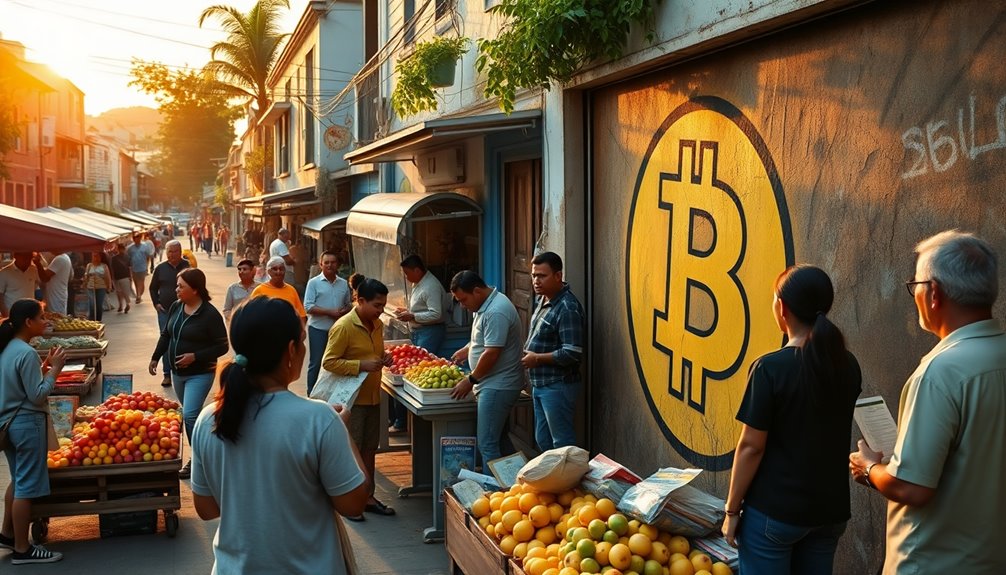

In 2025, El Salvador made headlines by altering the status of Bitcoin, shifting its treatment from a mandatory currency to a voluntary option. While it's still legal tender, businesses aren't obligated to accept it, raising questions about its future viability. This change aligns with international concerns, particularly from the IMF, about economic stability. What does this mean for the nation's Bitcoin enthusiasts and investors? The implications might be more significant than you think.

Get home office essentials delivered free with Prime
- Fast, free delivery on millions of items
- Prime Video, Amazon Music and more included
- Member-only deals all year
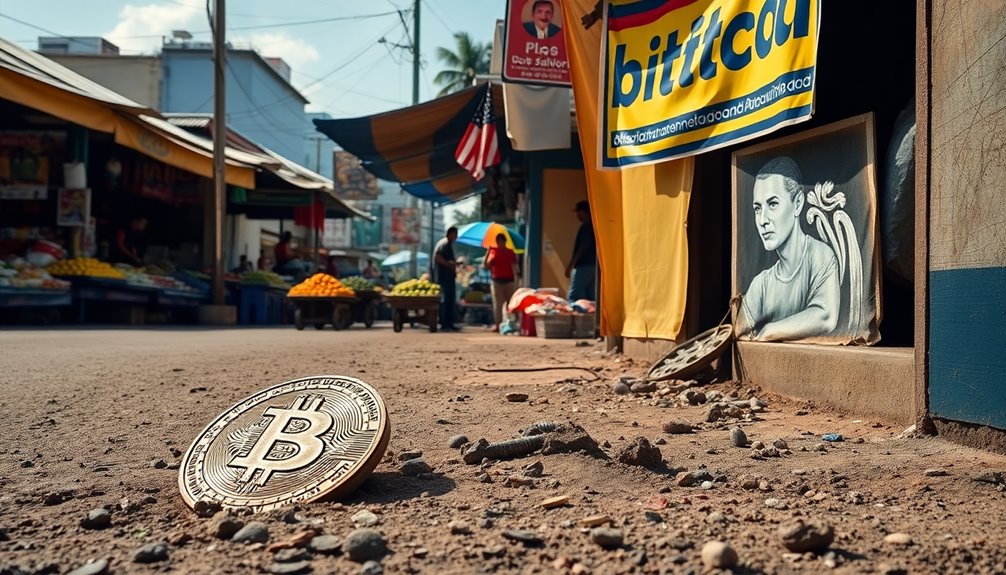
What happens when a country decides to embrace cryptocurrency as legal tender? In 2021, El Salvador made history by adopting Bitcoin as legal tender, aiming to innovate its economy and reduce reliance on the US dollar. President Nayib Bukele championed this move, believing it would boost the country's GDP through cryptocurrency investments and streamline remittances.
However, despite government efforts, the public's response has been tepid. By 2024, about 92% of Salvadorans still didn't use Bitcoin for transactions, highlighting a significant disconnect between governmental initiatives and public adoption.
Despite government initiatives, 92% of Salvadorans remained uninterested in using Bitcoin for transactions by 2024.
Fast forward to January 2025, and the Legislative Assembly approved key changes to the Bitcoin Law. Now, businesses in El Salvador aren't required to accept Bitcoin; its use is entirely voluntary. While Bitcoin retains its status as legal tender, it's no longer considered a currency in the traditional sense.
This shift means that you can't use Bitcoin for tax payments or settling debts with the government. The government is also stepping back from its involvement with the state-backed Chivo Wallet, indicating a more cautious approach to cryptocurrency.
This new landscape affects businesses significantly. Without the obligation to accept Bitcoin, many companies might opt to stick with traditional currencies, which could further diminish Bitcoin's adoption. Large businesses might even stop accepting Bitcoin altogether, reflecting a broader caution in the market regarding cryptocurrency's viability.
The role of the International Monetary Fund (IMF) has been pivotal in these shifts. El Salvador recently secured a $1.4 billion loan from the IMF, contingent upon addressing the financial stability risks associated with Bitcoin.
The IMF's concerns about Bitcoin's potential to destabilize the economy have influenced El Salvador's legislative changes and may even sway other countries' approaches to cryptocurrency.
Despite these adjustments, El Salvador continues to invest in Bitcoin. The government holds approximately 6,055 Bitcoins, valued at around $612 million, showcasing its ongoing commitment to crypto, even amid legislative changes.
This dedication could impact Bitcoin's market dynamics moving forward.
Top picks for "statu bitcoin chang"
As an affiliate, we earn on qualifying purchases.
Fall Picks
fall essentials
As an affiliate, we earn on qualifying purchases.