
You've probably heard about El Salvador's bold move to adopt Bitcoin as legal tender, but how has that decision evolved since the IMF deal? The landscape is shifting, with regulations tightening and public interest waning. Only a small fraction of the population actively uses Bitcoin now. What does this mean for the future of crypto in the country, especially with concerns about volatility and the Chivo Wallet? The answers might surprise you.
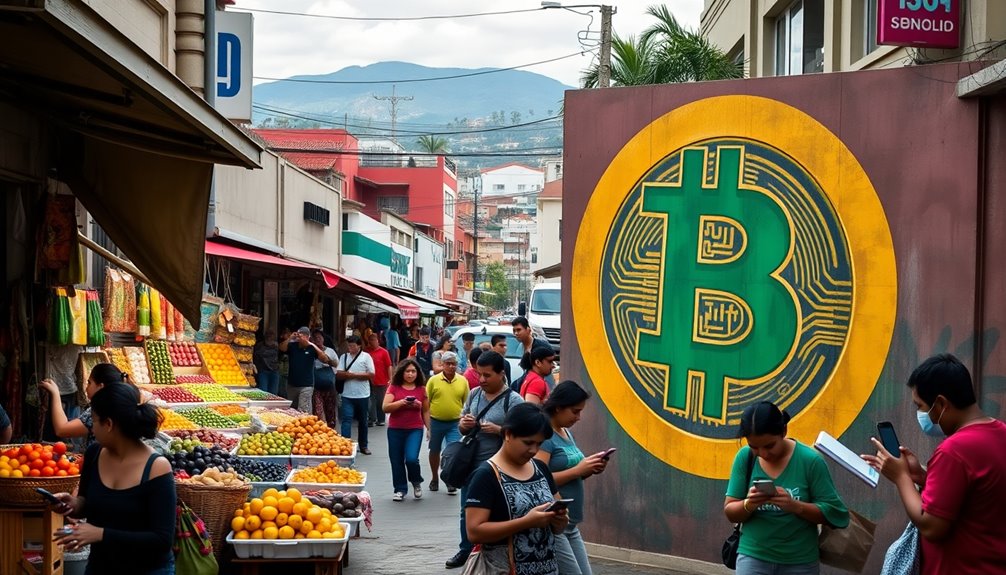
Since El Salvador made Bitcoin legal tender, the country has experienced a mix of enthusiasm and skepticism regarding its use. While it aimed to boost financial inclusion and attract crypto tourism, the reality is a bit more complex. As of 2023, only 12% of the population actively uses Bitcoin for transactions, a drop from 24.4% in the previous year. This decline indicates that while the novelty of Bitcoin has worn off for many, some still find value in using it for everyday purchases, like grocery shopping or visits to veterinary clinics.
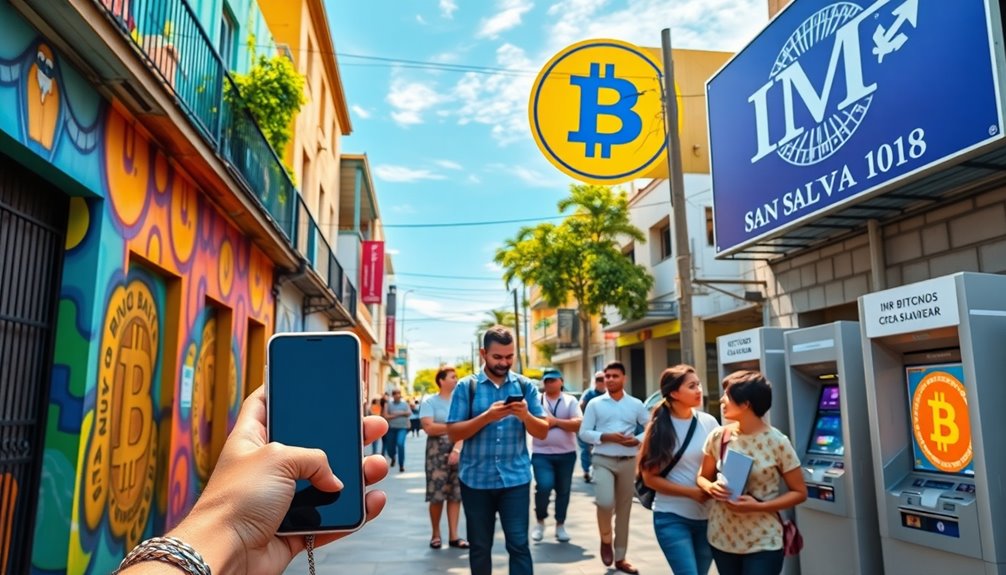
The Chivo Wallet, the government-backed app designed to facilitate Bitcoin transactions, continues to play a role in this landscape, although its future remains uncertain. Users often express concerns about Bitcoin's volatility, which can make transactions unpredictable and risky. This uncertainty can deter even the most tech-savvy individuals from diving into the crypto market. Over 200 ATMs across the country provide easy access to Bitcoin, enhancing its usability.
On the economic front, Bitcoin has contributed to increased financial access for the unbanked, bringing a sense of empowerment to those who previously lacked banking services. Moreover, families receiving remittances have benefited from reduced fees, allowing them to keep more of their money. The surge in crypto tourism has also given El Salvador's economy a boost, contributing to growth in various sectors.
However, the International Monetary Fund (IMF) has stepped in, leading to regulatory changes that reflect growing caution. In exchange for a $1.4 billion financing package, El Salvador agreed to limit Bitcoin promotion and amend its Bitcoin law to make acceptance voluntary for businesses. This shift means that while the private sector can still choose to accept Bitcoin, the public sector's engagement is now restricted, reducing mandatory participation.
Looking ahead, El Salvador continues to invest in Bitcoin, signaling a long-term confidence in the asset. The government aims to establish the country as a hub for blockchain innovation, but this requires a concerted effort in financial education. Increasing the population's understanding and acceptance of Bitcoin is crucial for sustainable growth.
Managing the asset's volatility will also be essential for the country's long-term success. With international scrutiny from institutions like the IMF, El Salvador's journey with Bitcoin remains a fascinating case study in the evolving world of cryptocurrency.