

To boost your after-tax returns, you need to wisely assign your assets between taxable and tax-advantaged accounts. Place high-growth assets like stocks or funds with significant appreciation into tax-free or tax-deferred accounts to minimize taxes. Use taxable accounts for assets with favorable tax treatment, such as municipal bonds, or those you plan to hold long-term. Understanding the best placements can make a big difference—continue to explore how to optimize your investment code.
Key Takeaways
- Place high-growth assets like stocks in tax-advantaged accounts to maximize tax-free or deferred growth.
- Hold income-generating assets such as bonds or REITs in tax-deferred or taxable accounts to manage tax liabilities efficiently.
- Use taxable accounts for assets with favorable tax treatment, like municipal bonds, to benefit from tax-exempt income.
- Allocate assets with long-term capital gains potential to taxable accounts to capitalize on lower tax rates.
- Match investment types to account types based on their tax characteristics to optimize after-tax returns over time.

Understanding where to hold your investments is crucial for maximizing after-tax returns. The way you allocate assets among different account types can markedly impact your overall growth, especially once taxes come into play. Asset location focuses on placing investments in accounts that align with their tax characteristics to minimize liabilities and boost your long-term gains. By strategically choosing where to hold various assets, you can keep more of your money working for you.
Investments are typically held in taxable, tax-deferred, or tax-exempt accounts, each with unique tax implications. Taxable accounts are straightforward but come with annual taxes on income and capital gains. For example, appreciated stocks in these accounts are taxed when they are sold, though long-term gains are taxed at lower rates. You can also harvest losses to offset gains, reducing your tax bill. Municipal bonds are often held here because their interest income is tax-exempt, making them attractive for taxable accounts. Stocks passing to heirs receive a stepped-up basis, which can reduce capital gains taxes upon inheritance. These features make taxable accounts suitable for assets with favorable tax treatment or those you plan to hold long-term.
Taxable accounts offer benefits like long-term capital gains rates and tax-exempt municipal bonds.
Tax-deferred accounts like traditional IRAs and 401(k)s allow your investments to grow without immediate taxes. You don’t pay taxes on earnings or gains until you withdraw the money, at which point it’s taxed as ordinary income. This setup is advantageous for investments that generate high income or capital gains, such as bonds, REITs, or actively managed funds, which are less tax-efficient in taxable accounts. Tax deferral enables your investments to compound more quickly because you’re not losing a portion to taxes each year. If you expect to be in a lower tax bracket in retirement, this strategy becomes even more advantageous, helping you maximize growth over time. Research shows that strategically placing high-income assets in tax-advantaged accounts can significantly enhance net returns over the long term.
Tax-exempt accounts like Roth IRAs offer tax-free growth and withdrawals, making them ideal for high-growth assets. Contributions are made with post-tax dollars, but qualified withdrawals are entirely tax-free, allowing your investments to grow unencumbered by taxes. These accounts are especially valuable for long-term strategies, where tax-free compounding can markedly enhance your wealth. Holding assets with high growth potential here ensures you can maximize their growth without tax erosion, making Roths a powerful tool for building substantial tax-free income in retirement.
Developing an effective asset location strategy requires a detailed review of your household assets and their tax implications. Understanding each investment’s tax characteristics and your current tax bracket helps you decide where to hold each asset. Higher-income investors often benefit more from strategic placement, especially when aiming for long-term growth. Remember, rebalancing costs and the need for a long-term perspective are important considerations. Proper asset location can substantially increase your after-tax returns, making it a crucial component of your overall financial plan.
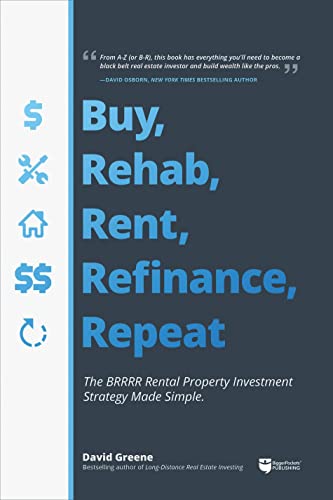
Buy, Rehab, Rent, Refinance, Repeat: The BRRRR Rental Property Investment Strategy Made Simple
As an affiliate, we earn on qualifying purchases.
As an affiliate, we earn on qualifying purchases.
Frequently Asked Questions
How Do I Determine Which Assets Are Best for Taxable Accounts?
You should hold assets that generate high taxable income, like bonds and dividend-paying stocks, in taxable accounts to benefit from lower tax rates or deferral. Consider placing assets with long-term growth potential, such as stocks and index funds, in tax-advantaged accounts to maximize compounding. Avoid holding high-turnover investments in taxable accounts, as they can trigger frequent taxes. Focus on tax-efficient assets to optimize your overall investment growth.
Are There Specific Investment Types to Avoid in Tax-Advantaged Accounts?
You should avoid holding high-turnover investments like actively managed funds or individual stocks with frequent trades in tax-advantaged accounts. These generate short-term capital gains and tax headaches. Instead, keep tax-efficient assets like index funds or ETFs in these accounts. Also, steer clear of assets with significant income distributions, such as REITs or some bonds, since they can produce taxable income even inside tax-advantaged accounts.
How Does Asset Location Impact My Overall Retirement Plan?
Asset location is like putting your eggs in the right baskets; it can considerably boost your retirement savings. When you optimize where you hold different investments, you minimize taxes and maximize growth. This strategic placement helps your money work smarter, not harder, ensuring you keep more of your hard-earned gains. Over time, this fine-tuning can make a real difference, helping you enjoy a more comfortable, secure retirement.
Can Changing Account Types Improve My Tax Efficiency?
Yes, changing account types can boost your tax efficiency. By moving tax-inefficient assets like bonds and dividends to tax-advantaged accounts, you reduce current taxable income. Conversely, holding tax-efficient investments like stocks in taxable accounts can minimize taxes on gains and dividends. Regularly reviewing and adjusting your asset allocation helps optimize your tax situation, potentially increasing your overall retirement savings and ensuring you keep more of what you earn.
What Are the Penalties for Improper Asset Placement?
If you place high-yield bonds in a taxable account, you risk paying more taxes on the income. Penalties for improper asset placement include higher taxes, penalties, and lost growth potential. For example, misplacing taxable bonds in a retirement account might mean missing out on favorable tax treatment. Always guarantee assets are correctly allocated to avoid unnecessary taxes and maximize your investment benefits.
municipal bonds for taxable accounts
As an affiliate, we earn on qualifying purchases.
As an affiliate, we earn on qualifying purchases.
Conclusion
Understanding asset location can boost your investment growth considerably—studies show it can add up to 1% more annual return. By strategically placing tax-efficient assets in taxable accounts and more tax-inefficient ones in tax-advantaged accounts, you maximize your savings. Remember, your choices today shape your financial future. So, take control now and optimize your asset placement to keep more of what you earn, setting yourself up for long-term success.

Turn Your Retirement Accounts Into a Paycheck: How Investors 50 and Above Generate Weekly and Monthly Cash Flow From an Idle 401(k), IRA, or Roth IRA … Options (Financial Freedom Books Series)
As an affiliate, we earn on qualifying purchases.
As an affiliate, we earn on qualifying purchases.

Common Sense on Mutual Funds, Updated 10th Anniversary Edition
As an affiliate, we earn on qualifying purchases.
As an affiliate, we earn on qualifying purchases.