
TL;DR

Get home office essentials delivered free — and shop member deals
- Fast, free delivery on millions of items
- Access to Prime Big Deal Days deals on October 6–7
- Prime Video, Amazon Music and more included
The best way to protect your precious metals is with a safe that matches your needs. Look for independent ratings, consider placement, and keep detailed records to prevent loss or theft.
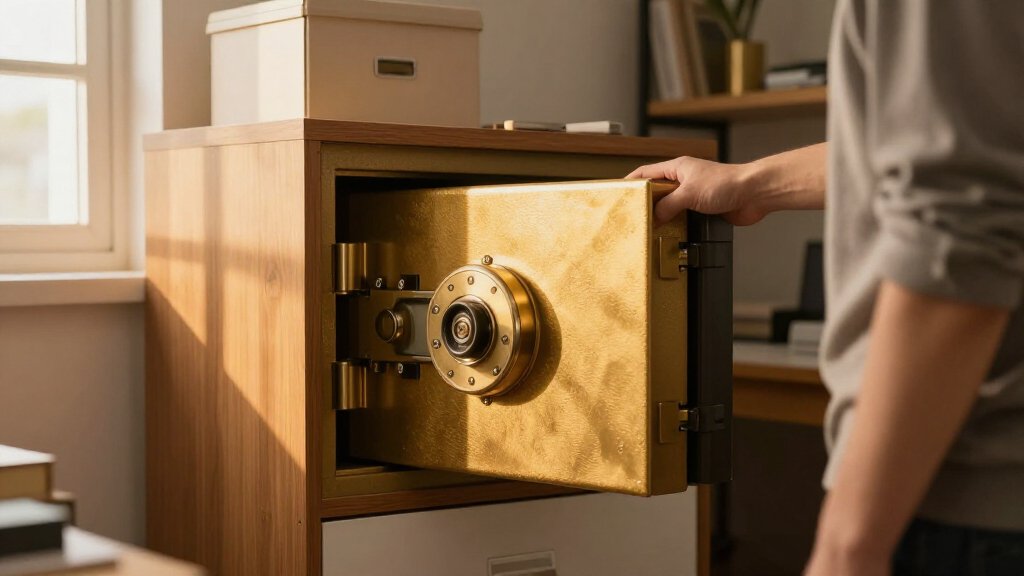
If you’ve ever held a heavy gold bar or a handful of shiny silver coins, you know their allure. But behind that gleam lies a serious question: how do you keep your valuables safe? A good safe isn’t just a box; it’s a fortress that protects against theft, fire, and even mishaps.
Choosing the right one means understanding your metals, the risks, and what features matter most. No single safe can handle every threat equally, so tailoring your choice makes all the difference. Ready to become a smart buyer? Let’s walk through what you need to know to keep your precious metals secure.
Always verify safe ratings through independent standards like UL or EN; a high price doesn’t guarantee security.
Anchoring your safe properly is just as important as choosing the right model—secure installation deters theft.
A safe rated for at least 1 hour of attack resistance can significantly delay burglars, buying you crucial time.
Keep detailed records offline—photos, serial numbers, appraisals—to support insurance claims and recovery efforts.
Stay cautious of vague marketing claims; always check the underlying certification and test scope.
What Types of Safes Protect Your Metals and When to Use Them
Not all safes are created equal. The best choice depends on what threats you want to guard against and how you plan to access your metals. Here’s a quick rundown of the main types.
- Home safes: Easy to access but vary wildly in security. Some are just decorative boxes, while others are hefty, steel monsters. Use these for small quantities or as a quick-access lockbox. However, their security level often depends on construction quality and anchoring—so, a flimsy safe on a weak floor can be easily compromised. Consider whether you’ll need to upgrade or reinforce these safes over time.
- Burglary-rated safes: Independently tested for attack resistance. If you’re storing a substantial amount of gold or silver, look for safes with a recognized certification—such as UL or EN standards. These safes are designed with reinforced walls, complex locking mechanisms, and attack-resistant features that delay or prevent break-ins. But keep in mind, a high-rated safe is only as secure as its installation—improper placement or poor anchoring can nullify its defenses.
- Fire-resistant safes: Designed to withstand high temperatures for a set period. Remember, these are often rated for documents—not always ideal for metals unless specified. Metals conduct heat differently, and some safes may not maintain their integrity under prolonged fire exposure. It’s crucial to verify if the safe’s fire rating explicitly covers metals or if additional fireproofing measures are needed for your assets.
- Vault storage: Think bank safes or specialized depositories. They offer professional security, but at a cost. Ideal for large holdings or long-term storage. These facilities often incorporate multiple layers of security, environmental controls, and insurance. The tradeoff is reduced immediate access and higher costs, but the benefit is peace of mind that your metals are protected by industry-standard security protocols.
- Diversified storage: Spread your metals across multiple locations. This reduces risk but adds complexity and cost. It’s a strategic approach that minimizes the impact of a single point of failure—if one safe is compromised, your other holdings remain secure. However, managing multiple sites requires careful record-keeping and logistical planning to ensure all assets are accounted for and properly protected.
Understanding the specific security needs of your metals helps you choose the most appropriate storage method. For example, if you own a modest collection of coins, quick access might outweigh the need for maximum security, making a sturdy home safe suitable. Conversely, if you possess a significant gold reserve, investing in a professionally installed, certified safe with proper anchoring in a concealed location offers a much higher security level. The key is balancing accessibility, risk, and cost to meet your unique situation.
precious metals safe with UL certification
As an affiliate, we earn on qualifying purchases.
As an affiliate, we earn on qualifying purchases.
Key Features to Look for in a Precious Metals Safe
When shopping for a safe, focus on features that actually protect your metals—not just shiny marketing claims. Here’s what matters most:
- Independent ratings: Always verify the test standard—look for UL, EN, or equivalent certifications. A safe rated for at least 1 hour of attack resistance is a solid baseline. This rating indicates the safe’s ability to withstand sustained attempts at forced entry, which is critical in deterring burglars. However, remember that certification alone doesn’t guarantee security; proper installation and anchoring are essential to realize the full protective benefit.
- Fire protection: Check the duration and temperature limits. For example, a 2-hour fire rating at 1,700°F offers better peace of mind than a 30-minute one. But understand that fire ratings are primarily designed for paper and documents; metals have different thermal conductivities and melting points. Some safes may not maintain their structural integrity under extreme heat, so choose one with a proven track record for the specific threat level you face. Additionally, assess whether the safe’s fireproofing is rated for the kind of fire exposure typical in your environment—residential fires, for example, can vary significantly in intensity and duration.
- Lock type: Mechanical combo locks are simple and reliable, with no reliance on batteries or electronics—reducing failure points. Electronic locks add convenience and quick access, but they require power and regular maintenance, and can be vulnerable to hacking or technical failures. Consider a safe with backup access methods, such as a key override or dual-lock system, to ensure access during emergencies. The choice depends on your preference for ease of use versus reliability under adverse conditions.
- Anchoring options: A safe that isn’t bolted down can be carried away or pried open. Proper anchoring to concrete or steel floors or walls significantly increases security by making theft or removal more difficult. The choice of anchoring hardware—such as heavy-duty bolts—and installation technique impacts the overall security. A well-anchored safe becomes a formidable obstacle for would-be thieves, often deterring attempts entirely. Remember, even the most secure safe is vulnerable if not properly anchored; neglecting this step can nullify its security features.
- Capacity and weight: Precise measurements matter. For example, a 12″x8″x6″ safe might hold your coins and bars, but check the weight—more weight generally correlates with better security if anchored properly. Larger safes offer more storage but can be more conspicuous and harder to hide, increasing risk of theft if discovered. Smaller safes are easier to conceal and can be placed in discreet locations, but may limit how much you can store. Striking a balance between size, weight, and concealability is crucial to creating an effective security setup tailored to your holdings and space constraints.
Pro tip: Keep detailed records—photos, serial numbers, and appraisals—separate from your safe. It makes insurance claims smoother and theft recovery easier. These records provide irrefutable proof of ownership and value, which can be crucial during recovery or claims processes. Maintaining an up-to-date inventory with photographs and documentation ensures you have the necessary proof in case of loss or theft, minimizing delays and disputes with insurers.
As an affiliate, we earn on qualifying purchases.
Conclusion
Your metals are only as safe as the safe you choose—and how you install and manage it. A well-rated, securely anchored safe tailored to your needs can make a real difference in protecting your investment. Remember, security isn’t just the safe itself, but how you use it.
Picture a discreet corner in your home, a sturdy steel box hidden behind a false wall or under a floorboard, all set to shield your treasures from theft and disaster. That’s the goal—smart, sturdy, and well-planned storage.
heavy duty burglary safe for silver coins
As an affiliate, we earn on qualifying purchases.
As an affiliate, we earn on qualifying purchases.
As an affiliate, we earn on qualifying purchases.
Fall Picks
fall essentials
As an affiliate, we earn on qualifying purchases.